
How To
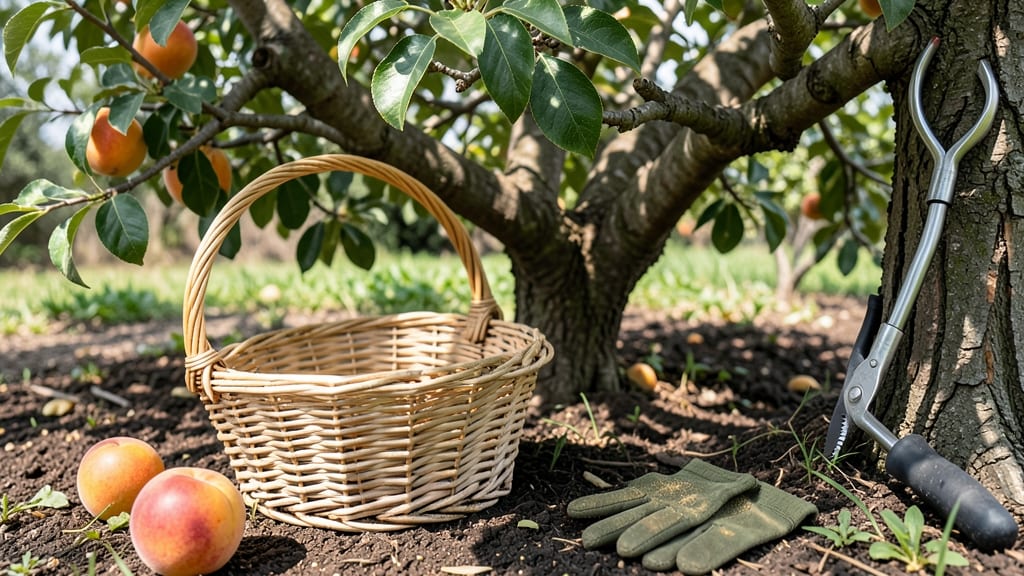
Harvesting apricots at the right time means sweet, juicy fruit 🍑—not mealy or overripe messes that spoil in days.
Picking apricots at the wrong time means bitter fruit—or worse, watching them rot on the tree. Master these color-coded tests to harvest your apricots at peak sweetness, ensuring a harvest that rivals store-bought (but tastes 10x better).
Most gardeners wait for the classic orange-yellow hue, but the real secret lies in the three simple checks that tell you when the fruit is ready to pick: skin firmness, stem separation, and even the scent.
Below, I’ll walk you through the exact visual cues and sensory tests to nail your harvest window—plus how to adjust for your local climate so you never miss the sweetest apricots of the season.

3 Color-check tests to determine apricot ripeness
Apricot ripeness isn't just about guessing when the fruit turns orange—it's about three key color-based cues that reveal when your apricots are truly ready. The first test focuses on the overall skin color, which shifts from green to a vibrant orange-yellow hue.
This change signals the fruit's natural sugars have fully developed, but timing is critical—waiting too long means mealy texture, while picking too early delivers tart, underripe fruit.
Next, look for the blush development on the fruit's surface. Mature apricots often develop a sun-kissed blush where they've been exposed to direct sunlight. This blush isn't just aesthetic—it's a chemical indicator that the fruit's cell walls have softened just enough for peak flavor.
In cooler climates, this blush may appear more subtle, so don't rely solely on color intensity.
Here's where most gardeners go wrong: they assume color alone determines ripeness. But apricots can stay on the tree for days after reaching full color. That's why the third test—stem separation—is non-negotiable.
A ripe apricot should separate cleanly from the tree with a gentle twist, leaving a small stem cap behind. If the fruit resists or the stem snaps cleanly, it's not ready yet.
The skin color progression is your first clue, but it's not foolproof. Some apricot varieties, like 'Blush' or 'Royal' cultivars, develop a pinkish blush that can be misleading if you're expecting pure orange.
Always cross-reference color with the other two tests. For example, a fruit with full orange color but a hard, unyielding skin needs more time on the tree.
Pro tip: In hot climates, apricots may ripen faster and develop a darker blush earlier. Conversely, in cooler regions, the blush might appear more subtle and gradual.
Adjust your expectations based on your local growing conditions. If you're unsure, perform the stem separation test—it's the most reliable indicator of true ripeness.
One common mistake is harvesting apricots based on uniform color across the entire tree. Different branches ripen at slightly different rates, so check multiple fruits on each branch. Start with the lowest, sunniest branches first, as these fruits typically ripen earliest due to optimal sunlight exposure.
For container-grown apricot trees, ripening can be delayed due to limited root space and heat retention. If your potted tree's fruit isn't developing color as expected, consider moving it to a sunnier location or using a reflective surface to bounce extra light onto the fruit.
Even a white wall nearby can make a difference in color development.
Remember: Apricots don't ripen further after picking like some other fruits. Once you harvest them, their sugar development stops. That's why nailing these color-check tests is your best shot at sweet, flavorful apricots that taste like summer in every bite. 🍑
How to test apricot sweetness before harvesting
Color alone isn’t enough to guarantee sweet apricots—you need to trust your senses. Once your fruit reaches that golden-orange blush, it’s time to dig deeper with these three sensory tests that reveal hidden sweetness.
I’ve used these methods for years to avoid overripe fruit that turns mealy or underripe fruit that’s tart and disappointing.
Start with the touch test, which tells you whether the fruit is still firm enough to handle travel or if it’s already softening on the tree. A ripe apricot should yield slightly when you press it gently—like pressing your thumb into a ripe peach.
If it feels rock-hard, it’s not ready; if it’s mushy, you’ve missed your window.
The smell test is often overlooked but is one of the most reliable indicators of sweetness. Hold an apricot to your nose and take a deep sniff—ripe apricots release a fruity, honey-like aroma.
If it smells bland or grassy, it’s not ready yet. This scent is your fruit’s way of signaling peak ripeness, and it’s impossible to fake with color alone.
- 🤏 Touch Test: Gently press the fruit—ripe apricots yield slightly but don’t feel mushy.
- 👃 Smell Test: Sniff for a sweet, honey-like fragrance—no scent means not ready.
- 👅 Taste Test: Sample one fruit blindly—if it’s sweet, the rest are ready.
- ✂️ Stem Test: Twist gently—the stem should separate cleanly from the branch.
For the ultimate test, perform a blind taste test on 2-3 apricots from different branches. Close your eyes, take a bite, and focus on the sugar intensity and flavor balance. If the fruit is sweet with a hint of tartness, you’ve nailed it.
If it’s overly tart or bland, wait another day or two. This method ensures you’re not tricked by a few ripe fruits while others on the tree are still firm and underripe.
Don’t forget the stem separation test, which is often the final confirmation. Grab the apricot between your thumb and forefinger and twist gently—if the stem pulls away cleanly from the branch, it’s ready.
If it resists, the fruit needs more time. This test is especially useful for heirloom varieties, which can ripen unevenly on the tree.
Pro tip: Harvest in the morning when temperatures are cooler. Apricots picked in the heat of the day can spoil faster, and their sugars may not be as concentrated.
By combining these sensory tests with the right timing, you’ll consistently harvest apricots that are bursting with flavor—not a single underripe or overripe fruit in sight.