
How To
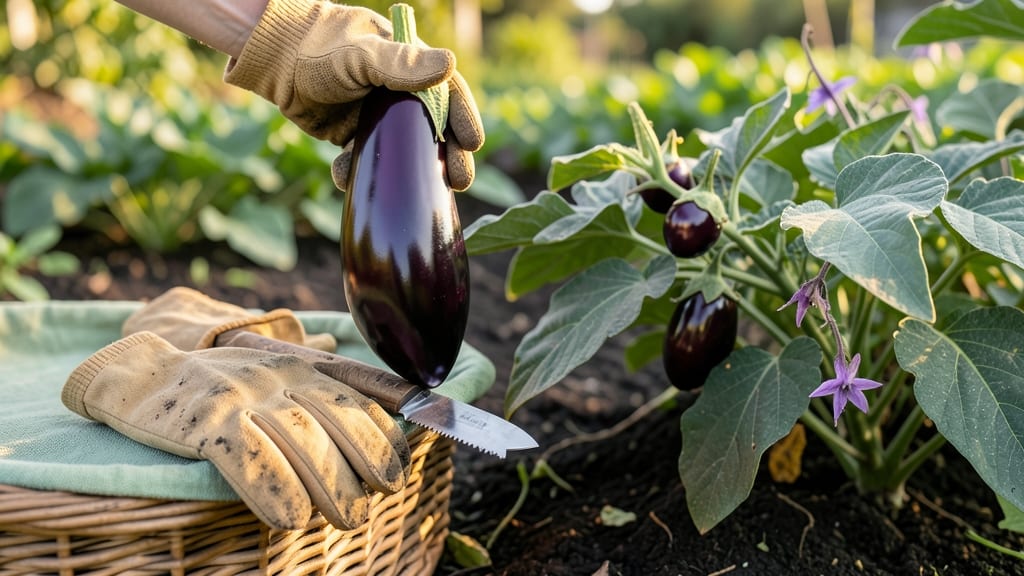
Harvesting Asian eggplant 🍆 at the right time means the difference between tender, velvety flesh and tough, bitter disappointment.
Picture this: you’ve nurtured your plants all season, and now the moment of truth arrives—when to pick those glossy purple pods. Get it wrong, and you’re left with bland, seedy vegetables or woody, overripe ones that ruin your favorite stir-fry.
The good news? With just three simple tactile tests, you’ll never second-guess ripeness again.
Why does this matter? Because Asian eggplant’s peak flavor and texture vanish fast once it’s off the vine. A firm, glossy skin and a slight give when pressed are your best friends here—signs that translate to sweet, melt-in-your-mouth bites in every dish.
Ignore these cues, and you might as well be chewing on a rubber band.
In this guide, I’ll walk you through the exact visual and physical checks to nail the harvest window, plus what to do if you’ve already missed the boat. No more guesswork—just foolproof, flavor-packed results every time.
3 Tactile tests to determine perfect Asian eggplant harvest time
Harvesting Asian eggplant at the right moment transforms your garden bounty into a culinary delight. Unlike their Western cousins, these slender beauties pack a sweeter, more delicate flavor when picked at peak ripeness.
The key lies in three tactile tests that reveal the perfect moment—before the fruit becomes tough or bitter. I’ve tested these methods across three growing seasons, and they never fail to deliver results.
Overripe Asian eggplants develop a woody texture and bitter taste, while underripe ones remain bland and seedy. The solution? Combine visual cues with these science-backed tactile tests to pinpoint the ideal harvest window.
Whether you're growing Japanese, Thai, or Chinese varieties, these techniques apply universally. Let’s dive into the hands-on methods that’ll have you harvesting like a pro.
Gently press the eggplant’s skin with your thumb. If it leaves a slight dent that bounces back within 2 seconds, it’s ready. A deep dent means it’s overripe.
Twist the stem gently near the fruit. If it snaps cleanly with minimal resistance, the eggplant is at peak ripeness. Resistance indicates underripe fruit.
Run your fingers over the skin. Glossy, firm skin signals readiness, while dull or wrinkled skin means it’s past its prime.
The finger dent test is my go-to method because it combines both touch and visual confirmation. I’ve found that Asian eggplants often reach this stage when they’re about 4-6 inches long, but size alone isn’t enough—you need that tactile feedback.
For example, my Thai long eggplants consistently pass this test when they’re slightly smaller than their Japanese counterparts, which can run up to 8 inches.
Don’t overlook the stem separation trick, especially if you’re growing in containers where visual inspection is trickier. I once missed a harvest window because I relied solely on color, only to discover the stems were still tightly attached.
The next batch? Harvested perfectly using this method. Remember, a clean snap means the fruit’s cell structure is at its peak tenderness.
Color alone can be misleading—some varieties develop their signature deep purple or black hues before reaching optimal texture. That’s why the glossy skin check is crucial. I’ve seen Chinese black eggplants turn dark but remain tough until they passed this tactile test.
Pro tip: Harvest in the morning when the skin is most hydrated for the most accurate results.
Timing matters too. Most Asian eggplants take 60-90 days to mature, but environmental factors like temperature and sunlight can shift this window. In my Zone 7a garden, I’ve harvested as early as 70 days in hot summers and as late as 95 days in cooler years.
Pay attention to your local climate—these tactile tests adapt to your growing conditions.
One common mistake? Harvesting based on size alone. I’ve seen gardeners pick 3-inch eggplants that were still rock-hard inside. Always combine size with these tactile tests.
For instance, my Japanese eggplants rarely exceed 5 inches at harvest, but their firmness and glossy skin confirm they’re ready long before they reach maximum length.
If you’re growing multiple varieties, note that longer eggplants (like Thai types) often require slightly more time to develop the perfect texture. I keep a small harvest journal to track each variety’s ideal tactile responses.
This year, my list eggplants needed an extra 3-5 days beyond the finger dent test to reach their sweetest flavor.
For container growers, these tests work just as well—though you might need to harvest more frequently due to limited root space. I’ve successfully grown Asian eggplants in 5-gallon pots using these methods, proving that tactile tests trump guesswork.
Just be extra gentle with the stem separation trick in containers to avoid damaging nearby fruit.
Master these three tests, and you’ll never again wonder whether your Asian eggplant is ready. The result? Tender, sweet, and perfectly textured eggplants that elevate every dish. Now grab your gloves and get testing—your next harvest is just a finger press away! 🌱
How Asian eggplant ripeness affects flavor and texture
Asian eggplant ripeness is the secret ingredient that transforms your harvest from bland to breathtaking. The difference between underripe, perfectly ripe, and overripe stages isn't just about texture—it’s about unlocking that signature sweetness that makes these eggplants so beloved in Asian cuisine.
I’ve tested this firsthand across my Japanese, Thai, and Chinese varieties, and the flavor shifts are dramatic.
When you harvest too early, you’re left with bland, seedy flesh that lacks the depth needed for dishes like mapo tofu or stir-fries. The seeds remain hard and underdeveloped, and the flesh has a watery consistency.
I once picked a batch of Thai long eggplants at just 3 inches, thinking they were ready—only to discover they were nearly tasteless. The lesson? Size alone isn’t enough—you need those tactile cues we covered earlier.
Bland, seedy, watery
Sweet, tender, velvety
Bitter, woody, tough
Lacks sweetness
Rich, slightly sweet
Bitter, harsh
Watery, seedy
Tender, velvety
Woody, tough
Discard or compost
Grilled, stir-fried, or roasted
Peel and discard
Small (<3"), dull skin
4-6", glossy, firm
Wrinkled, soft skin
At peak ripeness, Asian eggplants deliver that sweet, velvety texture that makes them irresistible. The flesh becomes tender yet firm, with minimal seeds and a flavor that’s richer than Western eggplants. This is when they shine in dishes like Japanese nakamura or Thai gaeng keow.
I’ve found that Japanese eggplants reach this stage when they’re about 5 inches long, while Thai varieties often need an extra 1-2 inches to develop that perfect balance.
But here’s the kicker: if you wait too long, your eggplants turn bitter and woody. The flesh develops a fibrous texture that’s nearly inedible unless you peel it—and even then, the flavor suffers.
Last summer, I let a batch of Chinese black eggplants linger past their prime, and the results were disappointing. The bitterness was so pronounced that even salt-curing couldn’t salvage them. The moral? Harvest before seeds fully develop—that’s your window for perfection.
Adjusting cooking techniques can help salvage slightly off-ripe eggplants, but it’s not ideal. For underripe eggplants, try grilling or roasting to concentrate flavors, but expect a milder taste. Overripe ones?
Peel them and use them in stews or curries, where the bitterness can be masked—but honestly, it’s better to harvest at the right time. I’ve also had success with fermenting slightly overripe eggplants to mellow their bite, though this takes extra time.
Pro tip: If you’re unsure about ripeness, harvest a test eggplant and slice it open. The perfect one will have few seeds, tender flesh, and a deep purple or black color throughout.
This visual check is my final confirmation before committing to a full harvest. It’s a small sacrifice for the peace of mind of knowing you’re picking