
How To
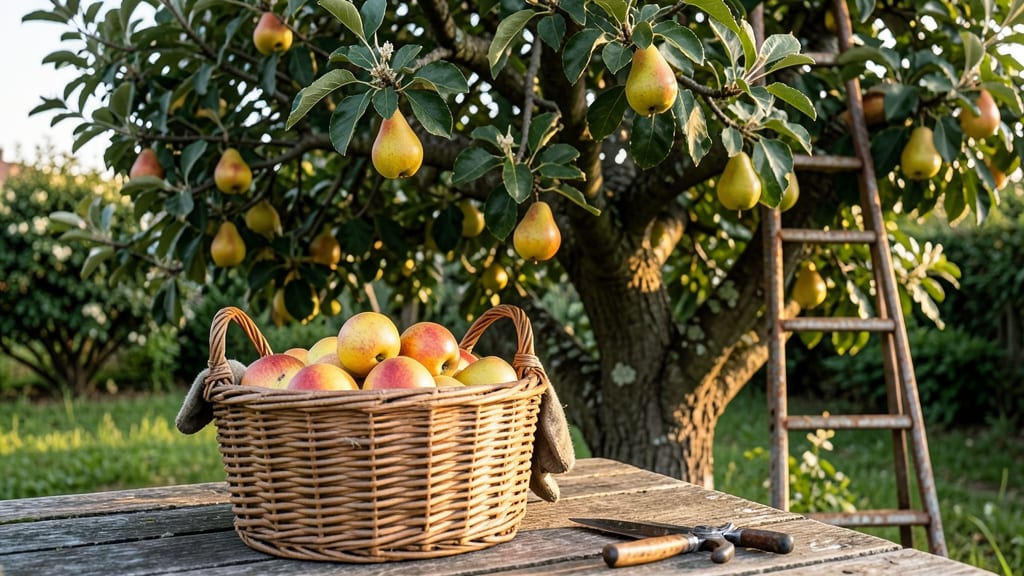
Harvesting Bartlett pears at the right time means the difference between a sweet, juicy reward and a bland, mealy disappointment — and the key is knowing exactly when to pick them.
Picture this: you’ve waited all season for your 🍐 Bartlett Pear tree to bear fruit, only to find your pears either still rock-hard or mushy overripe. That’s why timing matters more than you might think, especially in USDA Zone 6 where seasons shift quickly.
Below, I’ll walk you through the 4 foolproof signs your Bartlett pears are ready—from color changes to the telltale stem test—and how to adjust for your local climate. No more guesswork, just perfect, homegrown flavor.
You’ll also learn how to avoid common mistakes that ruin flavor, plus storage tips to keep your harvest fresh for weeks. Let’s get started!

4 Key signs Bartlett pears are ready for harvest (with timing guide)
Harvesting Bartlett pears at the perfect moment ensures maximum sweetness and texture. Unlike some fruits that ripen off the vine, Bartlett pears must be picked at just the right stage—too early, and they'll lack flavor; too late, and they'll turn mushy.
The key lies in watching for four distinct visual and physical cues that signal peak ripeness.
Timing also depends on your USDA hardiness zone. In cooler zones like Zone 5-6, harvest typically occurs in late September to early October, while warmer zones (Zone 7+) may see ripe pears as early as mid-September.
Understanding these signs and timing will help you avoid common mistakes that ruin your crop.
-
1. Color Change
Look for yellow skin with red or green blush. Fully green pears are unripe, while overly soft yellow pears may be overripe. -
2. Stem Separation
Gently twist the pear—it should detach easily from the stem with slight pressure. If it resists, wait a few days. -
3. Texture & Weight
Ripe pears feel heavy for their size and are firm but not hard. A slight give at the stem end (not the fruit itself) is normal. -
4. Scent & Size
A subtle sweet aroma near the stem and full size (matching the tree's typical pear size) confirm readiness.
Don’t rely on just one sign—combine these cues for accuracy.
For example, a Bartlett pear might look yellow but still feel hard; wait until it passes all four tests. Zone-specific timing matters too: In Zone 6, aim for harvest between September 15 and October 10, while Zone 8+ gardeners may harvest as early as mid-August.
Pro tip: Harvest on a dry, cool morning to preserve quality. Use pruning shears to avoid damaging the tree, and leave a short stem (about 1/4 inch) attached to the fruit.
This extends storage life and prevents bruising. Store pears in a cool, dark place (like a basement) to ripen further if needed.
Overlooking these signs can lead to mealy texture or poor flavor. For instance, pears picked too early may never sweeten, while those left too long on the tree risk splitting or attracting pests. Test a few pears first—if they’re firm and sweet, your timing is spot-on.
Regional variations also play a role. In cooler climates, Bartlett pears may take longer to ripen, so monitor them closely. Conversely, warmer zones can accelerate ripening, so check weekly. Adjust your harvest window based on your local last frost date and average temperatures.
Once harvested, Bartlett pears continue ripening at room temperature for about 3-5 days. After that, refrigerate them to slow the process. If you’re unsure, pick a few pears early and let them ripen indoors—this gives you a taste test to confirm the perfect harvest time for your tree.
Remember: Bartlett pears are climacteric fruits, meaning they ripen after harvest. This makes timing even more critical. By mastering these four signs, you’ll enjoy juicy, flavorful pears straight from your garden—no store-bought substitutes needed!
How to test Bartlett pear ripeness at home (beyond the basics)
Beyond the basic color check, Bartlett pears require precise ripeness testing to avoid mealy texture or underripe firmness. The finger dent test is my go-to method for determining whether pears are firm-ripe or overripe.
Simply press your thumb into the pear’s skin—if it leaves a slight indentation that bounces back slowly, it’s ready. If the skin springs back instantly, it’s too firm; if it stays dented, it’s overripe.
Another pro trick? Check the stem separation point. A ripe Bartlett pear will detach cleanly with a gentle twist—no resistance, no tearing. If the stem pulls away easily but the fruit itself feels soft, it’s past its prime.
This test is especially critical in USDA Zone 6, where cooler nights can slow ripening.
⚠️ WARNING: Common Mistake Alert! Don’t confuse firm-ripe pears with underripe ones—just because a Bartlett feels firm doesn’t mean it’s ready! Overripe pears often soften at the stem end first while the rest stays hard.
To test, grip the pear near the stem: if the flesh near your fingers yields slightly but the rest stays firm, it’s perfectly ripe. If the entire fruit feels mushy, it’s too late.
Harvesting too early or too late ruins flavor and storage potential—aim for that sweet spot where the pear detaches easily but remains firm to the touch.
For a sugar content check, slice the pear open and examine the core. Ripe Bartletts develop a slightly translucent flesh near the center, while unripe pears stay opaque and grainy.
The flesh should also yield slightly when pressed with your fingernail—think of a ripe avocado’s firmness, not a hard apple. This method works best in late September when pears are nearing peak ripeness.
Regional adjustments matter too. In warmer climates (Zones 7-9), Bartletts ripen faster, so monitor them weekly starting in August. In cooler zones like Zone 5 or 6, wait until mid-October—the first frost can signal it’s time to harvest, even if pears aren’t fully colored.
Always prioritize the stem test over color alone, as some Bartletts stay green until fully ripe.
Pro tip: Harvest in the morning when temperatures are coolest. This preserves firmness and reduces bruising. Store pears in a single layer (not stacked) in a paper bag at 32–40°F for up to 2 months.
The bag traps ethylene gas, which naturally ripens pears—just don’t seal it completely to avoid rot.
Now you’ve got the tools to perfectly time your Bartlett harvest every season. No more guesswork, just sweet, juicy success—and maybe even a few extra pears to share with neighbors! 🍐