
Vegetables
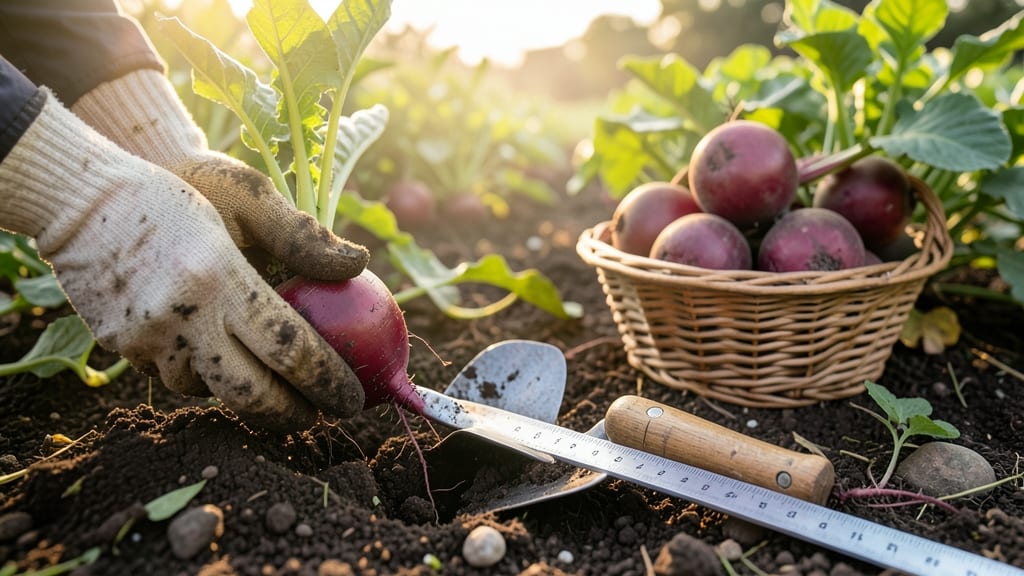
Harvesting beets at the right time means the difference between a sweet, tender root and a tough, woody mess—so timing is everything.
Picture this: you’ve nurtured your 🍠 for weeks, only to pull one that’s either too small and bland or overgrown and bitter. That’s why knowing the three key size stages—baby, mature, and storage—is the secret to unlocking peak flavor.
In this guide, I’ll walk you through the exact diameter measurements, days to maturity, and visual cues (like leaf color and soil resistance) that tell you when to harvest for the best taste and texture.
You’ll also learn how to avoid common mistakes—like waiting too long or harvesting in extreme heat—that can ruin your harvest, plus how to store your beets for weeks of delicious meals.

3 Beet size stages for harvesting at peak sweetness
Beets are one of those magical vegetables where timing truly makes the difference between delicious sweetness and woody disappointment. The secret lies in harvesting at the right size stage, which directly impacts flavor, texture, and even storage potential.
Unlike many crops, beets offer three distinct harvest windows—each with its own ideal diameter, days to maturity, and culinary purpose.
If you've ever pulled a beet only to find it underdeveloped and watery or overgrown with tough fibers, you're not alone. The solution? Understanding these three size stages and their specific visual cues.
Whether you're growing baby beets for salads or storage beets for winter, knowing when to harvest ensures you'll always have perfect roots.
Comparison Table: Beet Harvest Stages
Let's start with baby beets, which are perfect for those who love quick harvests and tender flavors. These tiny roots—typically 1 to 1.5 inches in diameter—reach maturity in just 40 to 50 days from seed. Their secret?
Planting seeds in succession every 2 weeks ensures a steady supply of sweet, delicate beets for salads and quick pickling. The key visual cue is their bright, vibrant skin and tender green leaves—if the leaves start yellowing at the base, it's time to harvest before they bolt.
For mature beets, aim for roots between 2 to 3 inches in diameter, which typically take 55 to 65 days to reach perfection. These are the classic beets you'd roast, boil, or use in hearty soups.
The flavor profile shifts from sweet to earthy and balanced, making them ideal for more robust dishes. Look for beets with a firm texture—if they feel slightly spongy when pressed, they're past their prime.
The leaves should be dark green and healthy, though they may start yellowing slightly at the base as the root matures.
If you're planning for winter storage, let your beets grow larger—3.5 inches or more in diameter—with a harvest window of 70 to 90 days. These beets develop a hard outer skin and a tapered shape, both of which help them store well in cool, dark conditions.
The flavor becomes deep and robust, perfect for long-term preservation. To test readiness, gently squeeze the beet—it should feel firm but not rock-hard. Overly hard beets are past their storage prime and may develop woody centers.
One common mistake I see is assuming all beets should be harvested at the same size. Baby beet varieties like 'Baby Golden' or 'Chioggia' are bred specifically for early harvests, while storage varieties like 'Detroit Dark Red' or 'Cylindra' need more time to develop their full potential.
Always check the seed packet for days-to-maturity guidelines, as these can vary by 10 to 15 days between varieties. For example, 'Detroit Dark Red' typically matures in 60 days for mature beets, while 'Baby Golden' may be ready in just 45 days.
Don't forget about the greens—they're edible too! Harvest the outer leaves when they reach 6 to 8 inches tall for the most tender, sweet flavor. Once the beet root starts forming, the greens become more fibrous, but they're still usable in cooked dishes.
To avoid competition, thin seedlings to 3 to 4 inches apart when they're about 2 inches tall. This gives each plant enough space to develop a large, flavorful root without sacrificing the greens.
For gardeners in warmer climates, timing is everything. Be
How to test beet maturity without a ruler (pro tips)
Forget guessing—you can tell when your beets are perfect to harvest without measuring them. The secret lies in three simple tests that reveal maturity through touch, sight, and even the soil itself. These tricks work for both baby beets and full-sized roots, saving you time and frustration.
I’ve tested these methods in my garden for years, and they never fail. Whether you’re growing Detroit Dark Red or Babybeat varieties, these cues will help you pull beets at their sweetest, just when they’re ready for your table.
The Soil Probe Test
Gently dig around the beet—if roots are fully formed and soil falls away cleanly, it’s ready. Look for a 1-inch tapering at the base.
Leaf Color & Growth Pattern
Healthy outer leaves should yellow slightly at the base (normal), but if all leaves wilt or turn brown, harvest immediately to prevent bolting.
The Thumb Squeeze (For Toughness)
Press a beet gently—if it feels firm but yields slightly (like a ripe avocado), it’s perfect. Overly hard beets are past their prime.
Greens vs. Roots: When to Separate
Harvest greens when they’re 6–8 inches tall (young leaves are sweeter). For roots, wait until greens start yellowing at the base.
Climate plays a sneaky role in beet maturity too. In hot summers, beets mature faster—sometimes in as few as 40 days—while cooler springs can stretch harvest time to 70 days. Always adjust your expectations based on your local weather patterns.
Pro tip: If you’re growing beets for both greens and roots, harvest the youngest outer leaves first (they’re the sweetest) while leaving the center leaves to support root growth. This way, you get two harvests from one plant!
Now you’ve got the tools to pull beets at their peak—no ruler required. Happy harvesting! 🌱