
How To
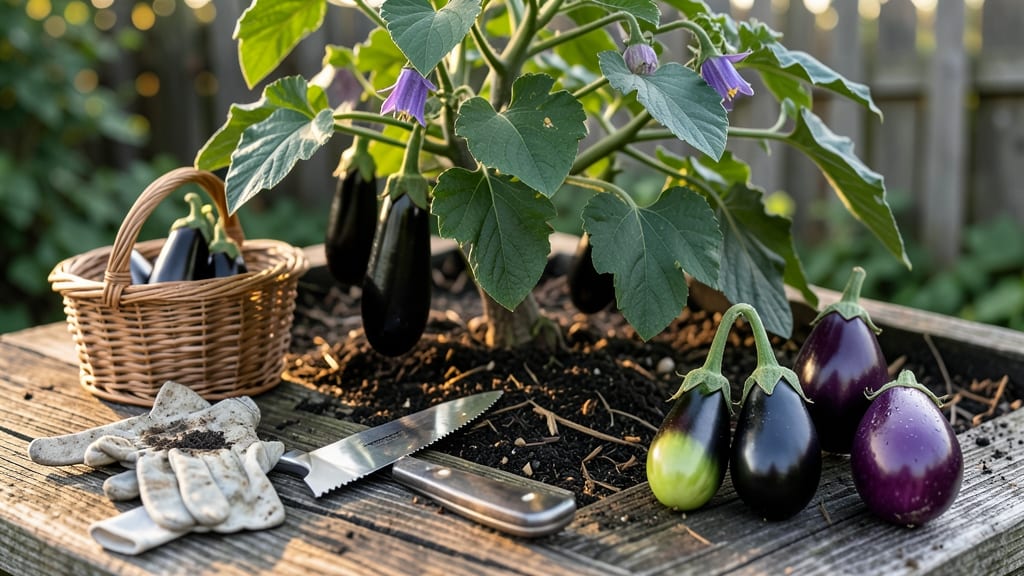
Harvesting Black Beauty eggplant at the right time ensures rich flavor and avoids the bitter disappointment of overripe fruit.
Picture this: you’ve nurtured your 🍆 plants all season, and now the moment of truth arrives. One wrong move, and your culinary masterpiece turns bland—or worse, seedy and tough.
Timing is everything, and missing these key visual cues could mean the difference between a restaurant-worthy dish and a meal of regret.
Black Beauty eggplants are ready when their glossy skin turns deep purple and yields slightly to gentle pressure—like a ripe peach. Size matters too: aim for 6–8 inches in length, but never sacrifice flavor for speed. Overripe eggplants lose their signature sweetness, while underripe ones stay hard and unyielding.
In this guide, I’ll walk you through the exact signs to watch for, common mistakes to avoid, and how to store your harvest so it stays fresh and delicious. Let’s make sure your eggplants shine!
How to identify the perfect harvest time for Black Beauty eggplant
Harvesting your Black Beauty eggplants at the right moment ensures the best flavor and texture. These eggplants typically mature between 80-100 days after transplanting, but visual cues are your best guide.
The key is watching for size benchmarks, skin firmness, and color depth—all signs that your eggplant is ready to be picked.
Don’t rely solely on days since planting; environmental factors like sunlight and temperature can speed up or slow down maturity. Instead, focus on these three tactile and visual indicators to determine when your Black Beauty eggplants are at their peak.
Missing these cues can lead to underripe (bitter) or overripe (seedy) fruit, so pay close attention!
| Indicator | Ready for Harvest | Not Ready |
|---|---|---|
| Size | 6-8 inches long | Under 5 inches |
| Skin Texture | Firm but yields slightly to gentle pressure | Hard or spongy |
| Color | Deep, glossy purple-black | Pale or uneven |
| Stem | Snaps easily when bent | Resists bending |
The size benchmark of 6-8 inches is a great starting point for Black Beauty eggplants. These varieties are known for their substantial size, so don’t harvest smaller fruit unless you’re dealing with a different variety. Measure your eggplant from stem to tip—if it’s within this range, it’s likely ready.
A glossy, deep purple-black skin is another telltale sign. When fully mature, Black Beauty eggplants develop a rich, almost velvety sheen. Run your fingers over the skin—if it feels smooth and slightly firm but gives just a bit (like a ripe avocado), it’s time to harvest.
A dull or patchy skin means it’s not quite ready.
Pay attention to the stem’s response when you gently bend it. A ripe eggplant’s stem should snap cleanly at the base, almost like a dry twig. If the stem resists or doesn’t break easily, the fruit isn’t mature yet.
This simple test saves you from harvesting too early and ensures you get the best flavor.
One common mistake is waiting until the eggplant turns completely black. While Black Beauty eggplants darken as they ripen, harvesting at peak purple-black (not fully black) guarantees the best taste. Overripe eggplants can become seedy and bitter, so act quickly once you spot these signs.
Morning harvests are ideal because the fruit is cooler and firmer. Use a sharp knife or pruning shears to cut the stem, leaving about a 1-inch stem attachment. This prevents bruising and extends shelf life. Avoid pulling or twisting, which can damage the plant and the eggplant itself.
If you’re unsure whether your eggplant is ready, check the seed cavity. A mature Black Beauty will have small, developed seeds. If the cavity is still hollow or filled with watery fluid, wait a few more days.
This internal check is a foolproof way to confirm ripeness when visual cues are ambiguous.
Once harvested, your Black Beauty eggplants should be used within a week for peak flavor. Store them in a cool, dark place (like a pantry) and avoid refrigeration, which can make the skin mealy. For long-term storage, consider cooking or fermenting them—fresh eggplants don’t keep well for extended periods.
With these visual and tactile cues, you’ll never miss the perfect harvest window again. Happy gardening, and enjoy those delicious, restaurant-quality eggplants!
Common mistakes that ruin Black Beauty eggplant harvests (and how to avoid them)
Harvesting your Black Beauty eggplants at the wrong time can turn sweet, tender fruit into bitter, seedy disappointments. I’ve seen gardeners rush to pick them too early—only to end up with pale, underdeveloped eggplants—or wait too long, letting them turn mushy and overripe.
The key is knowing the exact signs of readiness and avoiding these common pitfalls.
One of the biggest mistakes is relying only on size to determine harvest time. While 6-8 inches is ideal, size alone doesn’t guarantee flavor or texture. Another trap? Ignoring the skin’s glossiness—dull, matte skin often means the eggplant needs more time on the vine.
Let’s dive into the mistakes that sabotage your harvest and how to fix them before it’s too late.
⚠️ Warning: Harvesting Too Early or Too Late Ruins Flavor
Underripe eggplants (picked too early) are tough, seedy, and bitter—like eating a raw potato instead of a tender vegetable. Overripe eggplants (left too long) become spongy, lose their gloss, and develop a hollow, seedy center. The sweet spot is when the skin is deep purple, glossy, and firm but yields slightly when gently pressed.
Environmental factors also play a huge role. Inconsistent watering can cause uneven ripening—some eggplants swell while others stay small. I’ve noticed that drought stress makes them tough and bitter, while overwatering leads to cracked skin.
Aim for 1-2 gallons of water every 2-3 days, especially during hot summer months, to keep your plants happy and productive.
Another common error is harvesting with dull tools, which crushes the fruit and invites rot. Always use a sharp knife or pruners and cut the eggplant 1 inch above the stem.
This prevents damage and helps the plant redirect energy to producing more fruit. I’ve even seen gardeners twist eggplants off the vine—this can tear the skin, making them prone to spoilage.
Temperature swings also wreak havoc. Frost or sudden cold snaps can stunt growth and ruin flavor. If your USDA Zone 6a garden dips below 50°F, cover plants with frost cloth or move potted eggplants indoors.
Heatwaves, on the other hand, can cause blossom end rot—a telltale sign is a dark, sunken spot on the blossom end. Mulch around the base to regulate soil temperature and keep roots cool.
Finally, don’t ignore the stem snap test. A ripe Black Beauty eggplant should have a stem that snaps cleanly when bent at the base. If it resists, the fruit isn’t ready. This simple trick saves you from guessing—and from ending up with underwhelming results in the kitchen.
Pay attention to these cues, and you’ll enjoy eggplants that are tender, flavorful, and perfect for grilling or roasting.
With these tips, you’ll avoid the most common harvest mistakes and enjoy a bounty of Black Beauty eggplants that shine in every dish. Happy gardening!