
Vegetables
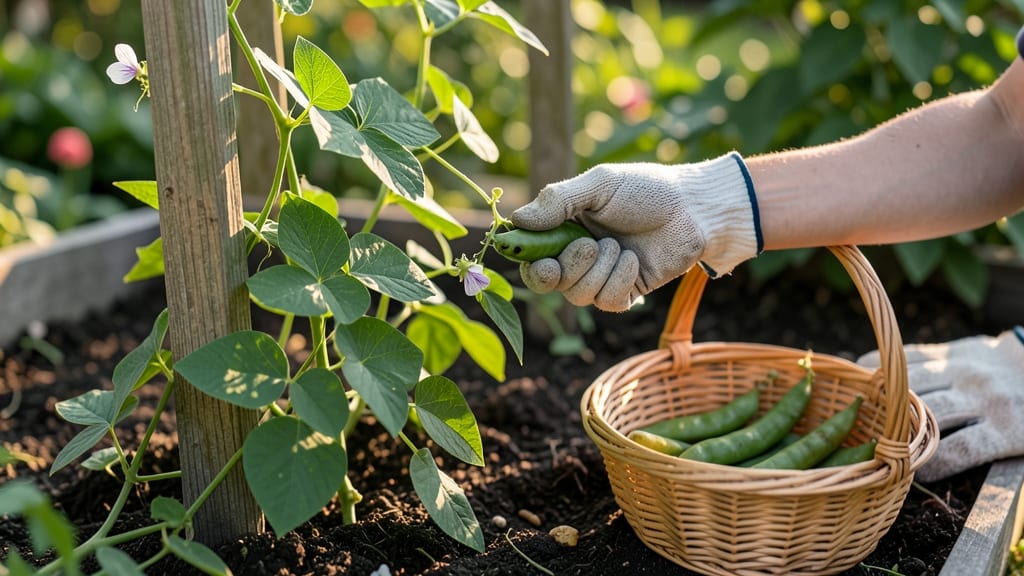
Harvesting black-eyed peas at the right time turns your garden into a sweet, tender feast—60 to 90 days after planting is when those pods reach their peak, but only if you watch for the color shift.
Black-eyed peas are a Southern gardening staple, but picking them at the wrong time means tough, stringy pods instead of sweet, tender bites. Timing is everything—and these visual cues will transform your harvest from mediocre to mouthwatering.
Here’s the secret: pods start bright green, then shift to a pale yellow, and finally turn a creamy brown when they’re ready. But don’t wait too long—once they harden, the flavor fades fast. I’ll show you exactly how to spot the perfect moment, so you never miss a harvest.
Whether you’re in Zone 6a or beyond, these tricks work for everyone. Ready to turn your 🌱 black-eyed peas into a garden highlight? Let’s dive in.

Black eyed pea pod color changes: the 3-Stage harvest timeline
Harvesting black-eyed peas at the perfect moment means the difference between tender, sweet pods and tough, stringy messes. The key lies in watching their pod color shifts—a natural progression that signals when to pick for peak flavor.
Unlike many vegetables, black-eyed peas don't ripen uniformly, so timing each pod individually is crucial for the best results.
Most gardeners miss the sweet spot by focusing only on pod size, but color is your most reliable indicator. The transition from bright green to yellowish-green to brownish marks three distinct stages, each with its own flavor profile.
Understanding these stages lets you harvest when pods are at their most delicious—just before they harden and lose sweetness.
| Stage | Pod Color | Pod Size | Seed Development | Flavor Profile | Harvest Ready? |
|---|---|---|---|---|---|
| Stage 1 | Bright Green | 1-2 inches | Seeds invisible | Grassy, underdeveloped | ❌ Not yet |
| Stage 2 | Yellowish-Green | 2-3 inches | Small black eyes visible | Sweet, tender, crisp | ✅ Perfect! |
| Stage 3 | Brownish | 3+ inches | Large, mature seeds | Starchy, tough | ❌ Too late |
The sweetest harvest window arrives during Stage 2, when pods turn yellowish-green and reach 2-3 inches in length. This is when the black-eyed peas inside are just beginning to form but haven't yet hardened.
If you wait until pods turn brown, you'll end up with leathery, fibrous pods that are nearly inedible.
Here's a pro tip: Check pods daily during peak harvest season (typically 70-90 days after planting). Mornings are ideal because cooler temperatures keep pods crisp. Use your fingers to gently squeeze the pod—if it feels tender and slightly plump, it's ready.
If it snaps easily when bent, that's another sign of perfect ripeness.
Regional climates affect timing slightly. In hotter Southern zones, pods may mature faster (as early as 60 days), while cooler Northern gardens might extend the timeline to 90 days.
Always prioritize pod color over calendar dates, as environmental factors play a bigger role than your planting schedule.
One common mistake is harvesting based on plant age alone. Just because your black-eyed pea plants are 3 feet tall doesn't mean the pods are ready.
Focus instead on the visual color cues we've discussed. Even within the same plant, pods at different stages will appear—so pick selectively to maximize your harvest's quality.
For continuous harvests, plant new seeds every 2 weeks during the growing season. This staggered approach ensures you always have fresh, tender pods available. Store harvested pods in the fridge for up to 5 days or freeze them for longer storage.
The key to success? Stay vigilant and harvest at the yellowish-green stage—your taste buds will thank you.
Remember, black-eyed peas are not like tomatoes or peppers that continue ripening after picking. Once harvested, their flavor declines rapidly. By mastering these 3 color stages, you'll transform your garden into a steady supply of homegrown, restaurant-quality pods all season long.
How to test black eyed pea pods for perfect ripeness (without guessing)
Harvesting black-eyed peas at the right moment means the difference between tender, sweet pods and woody, bitter shells. Instead of guessing based on days after planting, use these sensory tests to pinpoint peak ripeness. Start by examining the pod's physical traits—they’ll tell you exactly when to pick.
First, check the pod's length and shape. Ideal pods measure 2-3 inches long and curve slightly. Look for a plump, slightly curved appearance—this indicates the peas inside are fully developed but still tender. If pods are shorter or straight, they need more time on the vine.
Next, inspect the seed color and visibility. The black "eye" of the seed should be clearly visible through the pod’s shell, but the seed itself should still be small.
If the seeds appear large or the pod feels thick, you’ve waited too long. The goal is to harvest when the peas are visible but not dominant.
⚠️ WARNING: Harvest Too Late = Ruined Pods
Overripe pods turn leathery and brown, with seeds that are too large for fresh eating. If you see dry, papery pods or hear a hollow sound when tapped, the peas inside will be hard and flavorless. Always harvest before pods harden—this is your 30-second rule: if a pod doesn’t snap crisply when bent, it’s past its prime.
Now for the squeeze test, my foolproof method. Gently press a pod between your thumb and forefinger. A ripe pod feels tender and slightly yielding, like a fresh green bean.
If it’s rock-hard or mushy, it’s either unripe or overripe. The perfect pod should yield slightly under pressure but not collapse.
Finally, check the pod's shell thickness. Run your fingernail along the edge—it should feel thin and delicate, not thick or fibrous. Thick shells mean the pod is past its peak.
For maximum sweetness, harvest in the morning after dew has dried. This ensures the pods are crisp and full of flavor.
With these tests, you’ll never guess again. Pick pods when they’re 2-3 inches long, plump and curved, with visible but small seeds, and they’ll be sweet, tender, and perfect for fresh eating or freezing. Happy harvesting! 🌱