
Vegetables
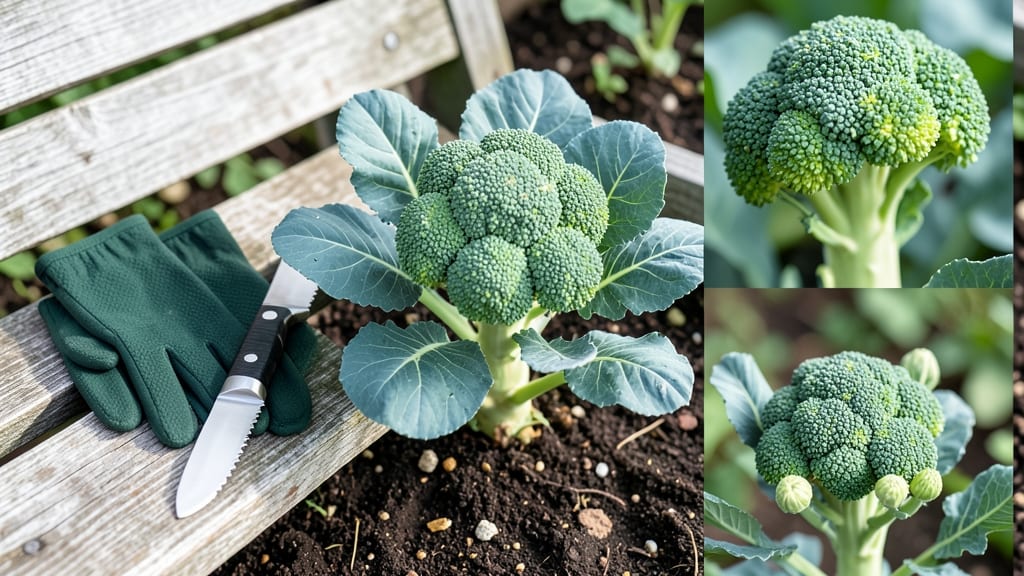
Harvesting broccoli at the right moment means capturing its peak flavor before the florets turn bitter or the plant bolts.
Picture this: you’ve nurtured your 🥦 for months, and now the moment of truth arrives. One wrong move, and you’re left with tough stems or wasted effort. But how do you know when those vibrant green crowns are truly ready?
Timing is everything, and the key lies in three simple visual cues: floret tightness, crown size, and stem firmness. Miss these signs, and you risk sacrificing flavor—or worse, losing your entire harvest to bolting.
Below, I’ll walk you through exactly what to look for, how to harvest without damaging future growth, and what happens if you get the timing wrong. No guesswork, just actionable steps for a bountiful yield.

3 Visual cues to identify perfectly ripe broccoli for harvesting
Timing your broccoli harvest correctly ensures you enjoy its nutty, sweet flavor at its peak. Waiting too long turns florets bitter, while harvesting too early wastes your hard work. The key lies in three simple but critical visual cues that reveal when your broccoli is ready to pick.
These indicators help you avoid the common mistake of harvesting at the wrong stage, which can ruin both taste and yield.
First, pay attention to the color intensity of your broccoli crown. The deepest, most vibrant green signals peak ripeness. Pale or yellowing florets mean it's past its prime, while heads that are still too light green need more time to develop.
This color shift isn't just about appearance—it directly correlates with the flavor sweetness and nutrient density of your harvest.
Next, examine the size and tightness of the floret clusters. At the perfect harvest moment, your broccoli head should measure between 4 to 8 inches in diameter and feel firm to the touch.
The individual florets should remain tightly packed together, almost like a closed fist. If you notice florets starting to spread apart or bloom, you've missed the optimal window.
Finally, check the stem firmness by gently bending it. A ripe broccoli stem should snap cleanly when bent—this indicates it's at the perfect maturity. If the stem feels woody or resists bending, your broccoli needs more time.
This test is especially important for side shoots that develop after harvesting the main head.
🔍 Your Broccoli Harvest Checklist
- 🌱 1. Color: Deep, uniform green florets (avoid yellowing or pale spots)
- 📏 2. Size: Head 4-8 inches in diameter with tight florets (no gaps)
- ✂️ 3. Stem: Snaps cleanly when bent (not woody or soft)
- ⏳ 4. Time: 60-90 days after planting (varies by variety)
⚠️ Pro Tip: Harvest in the morning after dew dries for crispest texture and best flavor
One common mistake gardeners make is focusing only on the main head while ignoring the smaller side shoots that develop after harvest. These side shoots follow the same visual cues—deep green, compact florets, and firm stems.
By paying attention to these secondary heads, you can extend your broccoli harvest by 4-6 weeks and maximize your garden's productivity.
Temperature also plays a subtle but important role in these visual cues. In cooler climates, broccoli may develop slightly slower but still follow the same color and size guidelines.
However, in hotter conditions, heads can mature faster, so monitor them more frequently. The visual cues remain consistent regardless of climate, making them reliable indicators across growing zones.
For container gardeners, these visual cues are equally important. Just because your broccoli is growing in a pot doesn't mean you should ignore the stem firmness test or color intensity. In fact, potted broccoli often needs more frequent checks because its growth can be slightly stunted compared to in-ground plants.
The same 4-8 inch diameter rule applies, but you may need to harvest slightly earlier if your container is small.
Remember that broccoli's nutrient content peaks at harvest. The longer you wait past the visual cues, the more bitter compounds develop in the florets. By harvesting at the right moment—when your broccoli shows all three visual cues—you're ensuring the best possible flavor, texture, and nutritional value in every bite.
This attention to detail makes all the difference between garden-fresh perfection and disappointing results.
Start practicing these visual checks now, and you'll develop an instinct for knowing exactly when your broccoli is ready. The more you harvest at peak ripeness, the easier it becomes to spot these cues in future crops.
Soon, you'll be harvesting broccoli with confidence, knowing you're getting the best possible flavor from your garden efforts. 🥦
How to harvest broccoli without damaging future growth (step-by-step)
Now that you've identified your broccoli's perfect ripeness using the visual cues we covered, it's time to harvest without harming your plant's ability to produce side shoots and future growth. The right technique ensures you get a longer harvest season and healthier plants.
Start by gathering your tools—a sharp pruning shears or clean knife, a bowl for your harvest, and gloves to protect your hands from thorns on some varieties.
First, locate the harvest point on your broccoli plant. This is typically about 5-7 inches below the main head where the stem begins to thicken. Cutting here prevents damage to the plant's growth center while allowing the stem to continue producing side shoots.
Avoid cutting too close to the base, as this can expose the plant to rot or pests. For container-grown broccoli, this same rule applies—just be extra careful to avoid damaging the pot's edges.
🌱 Step-by-Step Broccoli Harvest Guide
- 1. Choose the right tool: Use sharp pruning shears or a clean knife to make a precise cut. Dull tools crush stems, inviting disease.
- 2. Locate the cut point: Cut 5-7 inches below the main head where the stem thickens. This preserves the plant's growth center.
- 3. Make a clean cut: Angle your cut slightly downward to prevent water from pooling on the stem. This reduces rot risk.
- 4. Harvest side shoots: After cutting the main head, watch for small side shoots (3-5 inches tall) that form in leaf axils. Harvest these using the same technique.
- 5. Store properly: Place harvested broccoli in a bowl with a damp paper towel to maintain freshness. Store in the fridge for up to 5 days.
⚠️ Warning: Never pull broccoli heads off—they tear stems and damage the plant. Always cut cleanly!
One of the biggest mistakes gardeners make is harvesting broccoli too aggressively. While it might be tempting to take every small side shoot, remember that each plant can only support so many new heads at once.
Focus on harvesting the largest, most mature side shoots first, leaving smaller ones to grow. This strategy ensures your plant doesn't become overburdened, which can lead to stunted growth or even plant death in extreme cases.
After harvesting, don't forget to give your broccoli plant some post-harvest care. Water deeply to help it recover, and consider applying a balanced fertilizer (like 10-10-10) to support new growth. In cooler climates, you might even get a second main head if you've been diligent about side shoot care.
The key is consistency—regular harvesting of side shoots encourages the plant to keep producing throughout the season.
For gardeners in hotter climates, harvesting broccoli early in the morning is especially important. The cooler temperatures help prevent the florets from wilting, and the heads will be crispest for cooking or storage.
If you're growing broccoli in containers, be extra gentle with your cuts to avoid damaging the plant's root system, which is more vulnerable in limited soil volumes. With proper technique, you can extend your broccoli harvest by 6-8 weeks beyond the main head!
Remember that every cut you make is an investment in your plant's future productivity. By following these steps carefully, you'll maximize both your immediate harvest and the plant's ability to produce more broccoli throughout the season.
Soon, you'll have a steady supply of fresh, homegrown broccoli that rivals anything you could buy at the store. The secret lies in patience and precision—two qualities that will serve you well in all aspects of gardening. ✂️