
Vegetables
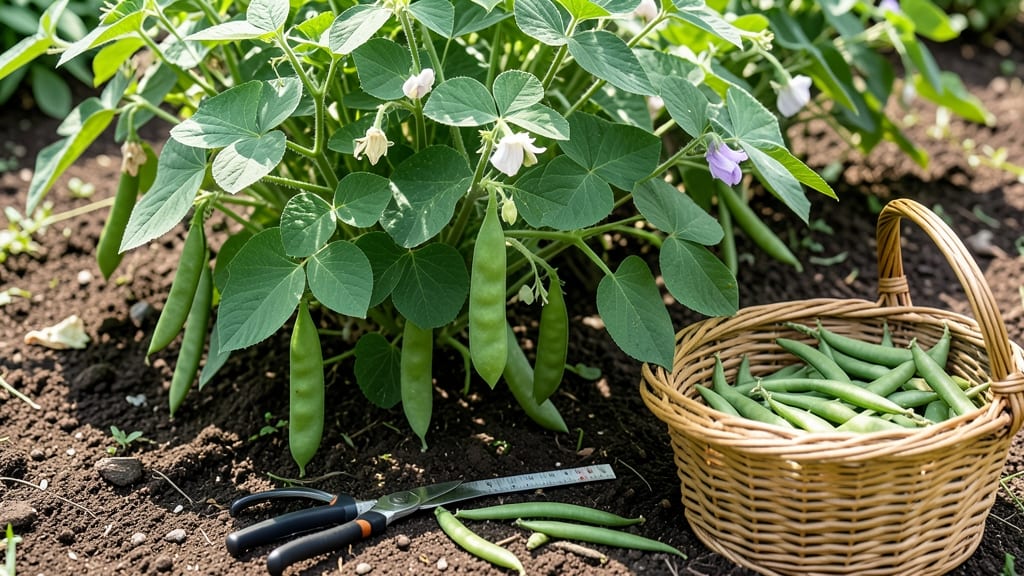
Harvesting bush green beans at the right time means crisp, flavorful pods that snap when you bend them—any later, and you’re left with tough, stringy leftovers.
Picture this: you’ve been watching your 🌱 bush green beans grow, and now they’re 4-6 inches long, bright green, and firm to the touch. That’s your cue to pick them before the seeds swell or the pods toughen up.
Timing matters because these beans don’t wait. Once they pass their prime, flavor fades, and the plant shifts energy into seed production instead of more pods. But here’s the good news: with the right checks, you’ll never miss the window again.
Below, I’ll walk you through the three simple tests to spot perfect beans, how often to harvest for maximum yield, and what to do if you’ve already let a few slip past their peak.


The 3 tactile tests to harvest bush green beans at peak freshness
There’s nothing worse than biting into a bush green bean that’s lost its crisp snap—turning what should be a crunchy delight into a sad, stringy mess. The secret to perfect green beans lies in your hands.
By mastering these three tactile tests, you’ll know exactly when to harvest for maximum flavor and texture. No guesswork, just science-backed cues that transform your garden into a crispy, flavorful bean factory.
Harvesting at the right moment isn’t just about size—it’s about pod firmness, seed development, and even how the stem snaps under pressure. These tests work together like a trio of green bean superheroes, ensuring every pod you pick is at its peak.
Trust me, once you try this method, you’ll never settle for anything less than garden-fresh perfection again.
3 Tactile Tests for Perfect Harvest Timing
- Pod Size Test: Aim for 4–6 inches long. Measure with your thumb—if it fits from your fingertip to your first knuckle, it’s ready!
- Seed Visibility Test: Slice open a pod—if seeds are tiny and undeveloped, harvest now. Visible, plump seeds mean it’s past prime.
- Stem Snap Test: Gently bend a pod—it should snap cleanly like a fresh twig. A mushy bend? Too late!
🌱 Pro Tip: Test 2–3 pods per plant to account for variability.
Let’s start with the most obvious clue: pod size. When bush beans reach 4–6 inches, they’re typically at their sweetest and crispiest. Use your hand as a quick guide—if the pod spans from your thumb to your first knuckle, it’s time to pick.
Smaller pods (under 3 inches) are still tender but lack the full flavor profile, while larger ones become tough and woody. Think of this as the goldilocks zone for green beans.
Next, peek inside the pod for the seed visibility test. Slice one open lengthwise—if the seeds are tiny and barely visible, you’ve hit the sweet spot. Seeds that are plump or visible to the naked eye signal the bean has overstayed its welcome.
This test is especially useful for heirloom varieties, which can mature faster than their hybrid counterparts. A quick glance inside tells you whether to harvest now or wait a day.
The stem snap test is my favorite because it’s foolproof and requires no tools. Simply pinch a pod between your fingers and gently bend it. A crisp snap means it’s ready to eat—imagine the satisfying crack of a fresh carrot.
If it bends without resistance or feels soft, it’s past its prime. This test works even in low light, making it perfect for early morning or late afternoon harvests when visibility might be tricky.
Here’s where many gardeners go wrong: they rely solely on visual cues like color. While bright green pods are ideal, color alone isn’t enough. A pod can look perfect on the outside but be mealy inside if left too long.
Combine all three tests for foolproof results. For example, a 5-inch pod that snaps crisply but has slightly visible seeds might still be worth harvesting—it’s a judgment call, but one that keeps your beans in peak condition.
Timing your harvests also matters. Morning harvests are best because beans are cool and crisp after a night’s rest. Avoid picking after rain or in the heat of the day, as moisture or heat stress can make pods softer.
Pro tip: Bring a small basket or cloth bag to the garden—plastic bags trap moisture and speed up spoilage. A breathable container keeps your harvest fresh until you’re ready to cook or store.
What if you miss the window? Don’t panic—overripe beans can still be salvaged, though they’ll lose their signature crunch. If pods grow beyond 6 inches, they’re still edible but best used in soups or stews where texture matters less.
For dry bean production, let them mature fully on the plant until they turn brown and dry. This takes about 90–100 days from planting, but it’s a great way to extend your harvest season.
Consistency is key to a bountiful harvest. Once you start picking, check your plants every 2–3 days. This encourages the plant to produce more pods, extending your harvest window by weeks. Think of it like pruning a tomato plant—regular maintenance leads to better yields.
And remember, the more you harvest, the more your plants will reward you with crisp, flavorful beans all season long.
Now that you’ve mastered the tactile tests, you’re ready to transform your garden into a green bean powerhouse. The next time you’re tempted to grab a pod just because it’s there, take a second to check its size, seeds, and snap.
Your taste buds—and your dinner guests—will thank you. Happy harvesting! 🌱
How harvest frequency affects bush bean yield and plant health
Harvesting your bush green beans every 2-3 days isn’t just about timing—it’s about giving your plants the best shot at continuous production. When you skip this step, beans swell beyond their prime, flavor fades, and the plant’s energy shifts from producing more pods to developing seeds.
This simple habit can double your yield over the season.
Think of it like pruning roses: regular attention encourages new growth. The same goes for beans. By removing mature pods consistently, you signal the plant to focus on flowering and fruiting rather than letting individual pods over-mature.
Skipping harvests means fewer pods later, as the plant becomes overwhelmed by its own production.
Here’s the science: Bush beans are determinate, meaning they produce all their pods at once. If you let them linger on the vine past their prime, the plant stops producing new flowers.
That’s why frequency matters more than quantity—even if you pick just a few pods each time, it keeps the cycle going.
✅ Harvesting Every 2-3 Days: Pros & Cons
| Pros | Cons |
|---|---|
| ✅ Extends harvest window by encouraging new pods | ❌ Time-consuming if you have many plants |
| ✅ Maximizes flavor with crisp, tender pods | ❌ Risk of over-harvesting if you pick too aggressively |
| ✅ Boosts future production by preventing over-maturation | ❌ Stress if plants are young—wait until they’re established |
💡 Pro Tip: Harvest in the morning when pods are cool and crisp. Use clean shears or pinch pods at the stem to avoid damaging the plant.
One common mistake I see is harvesting too infrequently—maybe once a week—only to find the beans have turned woody and lost their sweetness. The plant, meanwhile, has already stopped producing new flowers.
Another pitfall is over-harvesting, especially with young plants. If you pick too aggressively early on, the plant may struggle to recover and produce enough energy for future pods.
To avoid stressing your plants, start harvesting when they’ve produced 5-10 mature pods and the plant looks healthy. If you notice yellowing leaves or stunted growth after harvesting, you’re likely overdoing it. The key is balance: pick consistently but leave enough pods to sustain the plant’s energy.
By mastering this rhythm, you’ll enjoy a longer harvest season with beans that are sweeter, crisper, and more abundant than you’d get from sporadic picking. And the best part? Your plants will thank you with vibrant green foliage and a steady stream of new pods all season long.