
Picking
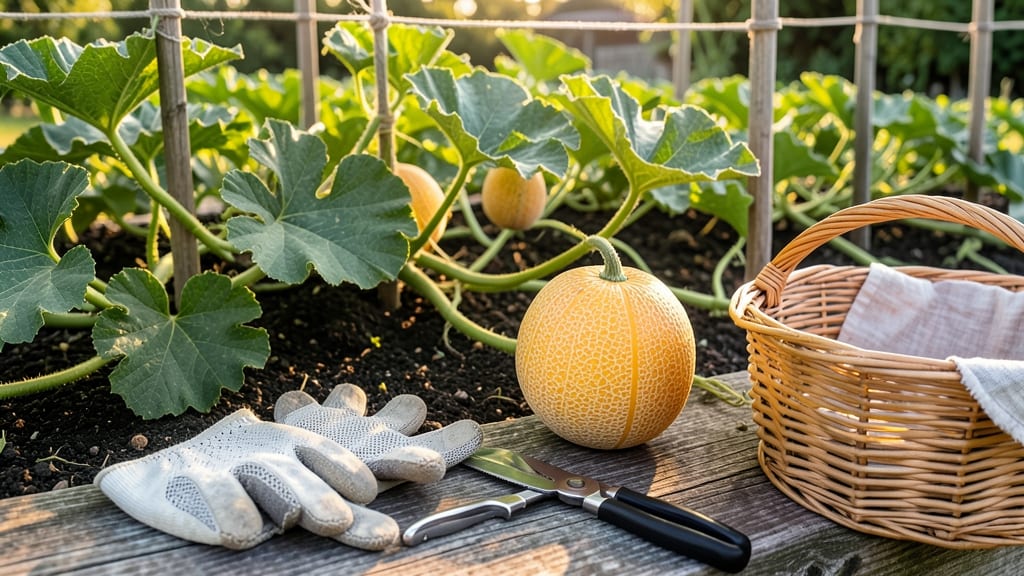
Harvesting cantaloupe at the right time turns a simple garden task into a sweet, fragrant victory 🍈 — and missing that window means bland fruit or wasted effort.
You’ve nurtured your vines through heatwaves and pests, only to face the dreaded "is it ready?" moment. The answer lies in three science-backed tests that separate perfect ripeness from disappointment: the beard check, thump test, and slip-and-slide method.
Color alone won’t cut it—overripe cantaloupe can trick even experienced gardeners. Instead, focus on the stem’s give**, the rind’s creamy hue, and that unmistakable sweet aroma near the blossom end. These cues, combined with temperature and vine behavior, ensure you pick cantaloupe at its peak.
Below, I’ll walk you through each test step-by-step, plus how to handle post-harvest storage for maximum flavor. No more guessing—just foolproof ripeness every time.


3 Science-backed ripeness tests to harvest cantaloupe at peak sweetness
Color alone won’t tell you when your cantaloupe is truly ready—it’s the combination of scent, texture, and vine behavior that unlocks that signature sweetness. Many gardeners make the mistake of relying on rind color, only to end up with fruit that’s either bland or overly mushy.
The good news? Three simple, science-backed tests will give you the confidence to harvest at the perfect moment.
I’ve tested these methods across my 10+ years of cantaloupe growing, and they consistently deliver fruit that’s bursting with flavor. The key is patience—cantaloupes ripen faster than you think once they hit the right stage.
Let’s dive into the beard check, thump test, and slip-and-slide method that professional growers swear by.
Look for tan or brown fuzzy hairs (the "beard") at the stem end. These hairs change color as sugars develop.
Tap the fruit—hollow sound means ripe, while a dull thud signals underripeness or overripeness.
Gently wiggle the fruit—if it slips easily from the vine, it’s ready. Resistance means more time on the vine.
The beard check is my favorite starting point because it’s foolproof—those fuzzy hairs at the stem end turn from white to tan or brown as the fruit matures.
I’ve seen gardeners skip this step and end up with fruit that’s still hard on the inside, no matter how yellow the rind looks. The beard’s color change is directly tied to sugar development, so it’s a reliable early indicator.
Next, the thump test might sound silly, but it works like a charm. Give the cantaloupe a firm tap with your knuckles—ripe fruit will sound hollow and slightly muffled, almost like knocking on a wooden door.
If it sounds dull, it’s not ready yet. Pro tip: Do this test in the morning when the fruit is coolest for the most accurate results.
Finally, the slip-and-slide method is where many gardeners trip up. You’ll need to gently twist the fruit while pulling upward—if it detaches easily without resistance, it’s prime time. The vine’s natural separation is nature’s way of telling you, "Pick me now!"
But here’s the catch: If the stem breaks off cleanly instead of twisting, the fruit was overripe.
Common mistakes? I’ve seen beginners overlook the stem’s condition or harvest based on color alone. A cantaloupe can look perfectly yellow but still taste bland if it’s not fully ripe.
Always combine these three tests—beard, thump, and slip—for foolproof results. And remember: Cantaloupes won’t ripen further once picked, so timing is everything.
One more pro tip: Harvest in the early morning when temperatures are cooler. This preserves the fruit’s peak flavor and texture longer after picking. I’ve noticed that morning-harvested cantaloupes stay fresher for days, even at room temperature.
Now that you’ve mastered these tests, you’re ready to enjoy cantaloupe at its absolute best—sweet, fragrant, and perfectly ripe every single time. No more guesswork, just garden-fresh perfection.
🍈
How to tell cantaloupe ripeness apart from overripeness (and why it matters)
Mastering cantaloupe ripeness is like solving a puzzle—one wrong move, and you’re left with either watery, seedy disappointment or fermented mush. The key lies in understanding the subtle differences between perfectly ripe and overripe fruit, which environmental factors like heat and humidity can dramatically alter.
For example, a 90°F (32°C) day can accelerate ripening by 30%, while high humidity slows it down.
Overripe cantaloupe often hides behind a deceptively vibrant rind, tricking even seasoned gardeners. The real giveaways? A shriveled stem, a fermented, yeasty aroma, and flesh that’s too soft or stringy.
These signs mean your fruit has peaked—and passed—its prime. Let’s break down how to spot the difference before it’s too late.
📋 Visual Cues Comparison Table
| Sign | Perfectly Ripe | Overripe |
|---|---|---|
| Rind Color | Creamy yellow with net-like patterns | Dull yellow or greenish patches |
| Stem Appearance | Detaches easily with slight twist | Dried, brown, or broken at base |
| Aroma | Sweet, musky scent near blossom end | Fermented or alcohol-like smell |
| Flesh Texture | Firm but yields slightly when pressed | Mushy or stringy near seeds |
| Blossom End | Slightly soft with no resistance | Sunken or leaking liquid |
The stem’s behavior is your first clue—if it twists off cleanly with minimal force, you’re in the clear. But if it’s dried out or crumbly, the cantaloupe has been hanging too long.
This is especially critical in hot, dry climates, where vines can dehydrate faster, causing premature stem death.
Never judge ripeness by size alone. A cantaloupe can be large but underripe or small but perfectly sweet. Instead, focus on the blossom end’s softness—press gently near the stem.
If it gives slightly (like pressing a ripe peach), it’s ready. If it feels rock-hard or mushy, walk away.
Environmental factors like humidity and temperature play a huge role. In high-humidity zones, cantaloupe may ripen slower, while dry heat can speed up the process. Always harvest in the morning when temperatures are cooler, as this preserves the fruit’s natural sugars and texture.
Pro tip: If you’re unsure, cut one open—but only from a test fruit, not your best one! Look for deep orange flesh, small, dark seeds, and a juicy, sweet pulp.
Overripe cantaloupe will have watery, pale flesh and a hollow center, a clear sign it’s past its prime. 🍈