
How To
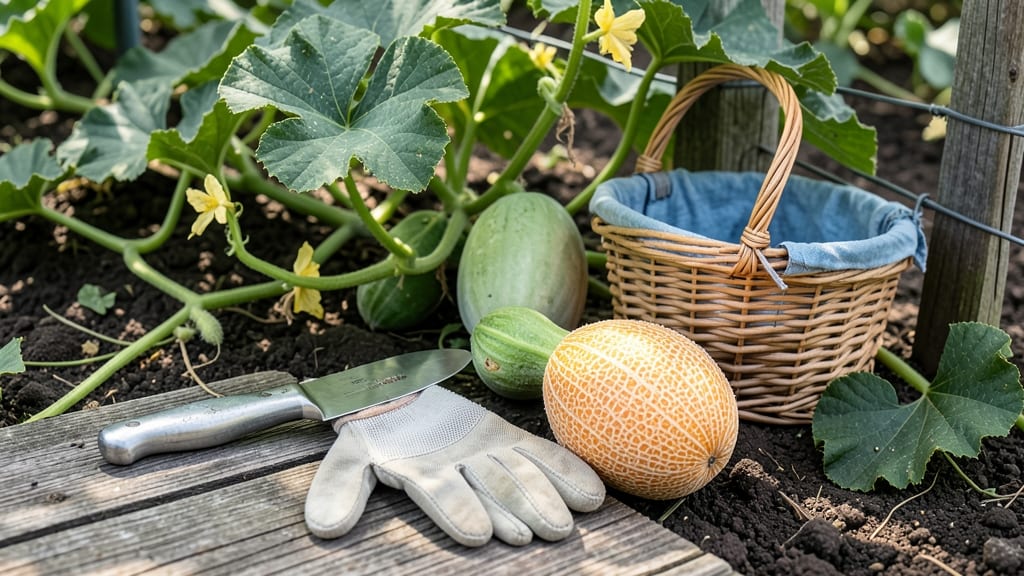
Harvesting cantaloupe at the right time means the difference between a bland melon and one bursting with sweetness 🍈 — and the key is knowing when those creamy, fragrant fruits are truly ready.
Picture this: you’ve waited months for your cantaloupe to ripen, only to pick it too soon and end up with a mealy, underwhelming bite. Or worse, you leave it on the vine too long, and it turns mushy. The frustration? It’s all avoidable with the right cues.
Below, I’ll walk you through the three foolproof tests—the slip, thump, and stem check—that guarantee you harvest at peak ripeness. Plus, I’ll cover how temperature and variety play into timing so you never miss the window again.
By the end, you’ll know exactly when to pluck your cantaloupe for that perfect balance of sweetness and texture—no guesswork required.


3 Science-backed tests to determine cantaloupe ripeness
Nothing beats the satisfaction of biting into a perfectly ripe cantaloupe—bursting with sweetness and juicy perfection. But knowing exactly when to harvest is the secret to unlocking that flavor. Cantaloupes don’t ripen like tomatoes; they need precise timing.
Miss the window, and you’ll end up with bland, fibrous fruit or one that’s overripe and mealy. The good news? Science gives us three foolproof tests to nail the harvest. Let’s break them down so you never guess again.
Most gardeners rely on a single method, but combining these three tests ensures you’ll never be wrong. The slip test, thump test, and stem check work together like a symphony, each playing its part in confirming ripeness.
Plus, visual cues like color changes and aroma triggers add extra layers of confirmation. Master these, and you’ll turn your cantaloupe harvest from "good" to "showstopper."
- 1
- 2
- 3
The slip test is the most reliable method for most gardeners, but it’s not foolproof on its own. I’ve seen cantaloupes that slip too early and taste bland, or ones that hold on too long and become overripe.
That’s why pairing it with the thump test adds a crucial layer of confirmation. A ripe cantaloupe should sound hollow when tapped—almost like knocking on a wooden door. If it sounds more like a drum, it’s not ready yet.
Don’t overlook the stem check, either. The stem near the fruit should be dry and papery, almost like it’s ready to fall off. If it’s still green and flexible, the melon needs more time on the vine.
This is especially important for heirloom varieties, which often have thicker stems and can fool the slip test if checked too early. I always double-check the stem color before committing to a harvest.
Visual cues like rind color and aroma are the cherry on top of these tests. A ripe cantaloupe develops a creamy tan or net-like pattern on its rind, while unripe ones stay dull or greenish.
And here’s a secret: sniff the blossom end (the side where the stem was attached). A sweet, musky aroma means it’s ready to eat. If it smells bland or like nothing, it’s not there yet.
Timing matters, too. Cantaloupes typically ripen 75 to 90 days after planting, but heat waves or cool nights can speed up or slow down the process. If your melons are taking longer than expected, check for consistent sunlight (at least 6-8 hours daily) and even watering.
Underripe cantaloupes often happen when plants struggle with nutrient deficiencies or drought stress. I’ve learned the hard way—skipping fertilizer mid-season can stall ripening.
What about overripe cantaloupes? They’re easy to spot: the rind softens, the stem detaches completely, and the fruit may develop a fermented smell. Overripe melons are still edible but lose their signature sweetness and texture.
To avoid this, I set a weekly reminder to check my cantaloupes once they’re close to the expected harvest window. Consistency is key—don’t wait until the last minute!
For container gardeners, these tests work the same way, but you’ll need to be extra vigilant. Cantaloupes in pots can ripen faster due to warmer soil temperatures. I’ve found that black plastic pots absorb heat and can accelerate ripening, so I adjust my testing schedule accordingly.
If you’re growing in containers, start checking for ripeness 5-7 days earlier than the expected harvest date.
Final tip: Harvest in the morning when temperatures are cooler. This preserves the fruit’s freshness and makes it easier to transport if you’re selling or sharing your harvest. And always use a sharp knife or pruners to avoid damaging the vine.
A clean cut encourages the plant to focus energy on the next fruit, giving you a bigger yield next season.
Master these three tests, and you’ll never have to wonder if your cantaloupe is ready. The combination of the slip test, thump test, and stem check—plus those visual and aromatic clues—will have you picking cantaloupes at their peak every time.
Trust the science, and your taste buds will thank you. 🍈
Common mistakes that ruin cantaloupe harvest timing (and how to avoid them)
Even experienced gardeners sometimes fall into the trap of harvesting cantaloupe too early or too late. Picking prematurely results in bland, underripe fruit, while waiting too long leads to overripe, mushy melons.
The key is understanding the visual and physical cues that signal perfect ripeness—and recognizing the red flags that ruin your harvest.
Many gardeners rely on days to maturity listed on seed packets, but environmental factors like temperature fluctuations and sunlight exposure can shift that window dramatically. For example, cantaloupes grown in hotter climates may ripen 10-14 days earlier than those in cooler regions.
Ignoring these variables is a surefire way to end up with less-than-sweet melons.
Another common mistake is harvesting based on size alone. A cantaloupe might look big enough but still be hard and unripe inside. Similarly, leaving it on the vine until it’s soft or rotting means sacrificing flavor for convenience.
The solution? Combine multiple ripeness tests—like the slip test, thump test, and stem check—to confirm readiness.
🚨
Harvesting cantaloupe when the vine near the fruit turns brown is a classic sign—but if you wait until the entire vine dries completely, you’ve missed the window. Overripe cantaloupes lose sweetness and develop a fermented, off-aroma. Always check for creamy rind color and a sweet fragrance at the stem before picking.
Understanding variety-specific timing is equally critical. For instance, muskmelon varieties (like 'Athena' or 'Hale’s Best') typically ripen in 70-80 days, while honeydew hybrids (like 'Earlidew') may take 85-95 days. Planting both varieties side by side without tracking their individual progress can lead to mixed harvests—some perfect, others ruined.
Temperature also plays a hidden role. Cantaloupes grown in consistently hot weather (above 90°F) may ripen faster but develop less sugar content. Conversely, cooler temperatures can delay ripening and make the fruit harder.
Use a shade cloth during peak heat if your area tends to exceed 95°F, as this can help balance sugar development.
To avoid these pitfalls, I recommend creating a harvest checklist for each cantaloupe variety in your garden. Include notes on expected ripening days, rind color changes, and stem conditions.
For example, 'Ambrosia' cantaloupes should have a tan, netted rind and a sweet, musky scent before harvesting. Keeping this record ensures you never guess again.
Finally, resist the urge to harvest all cantaloupes at once. Some varieties (like 'Crimson Sweet') ripen unevenly, even on the same plant. Instead, check each fruit individually every 2-3 days during peak ripening season (typically July-August in most climates).
This staggered approach guarantees you’ll enjoy melons at their sweetest, rather than dealing with a batch of overripe disappointments.