
Vegetables
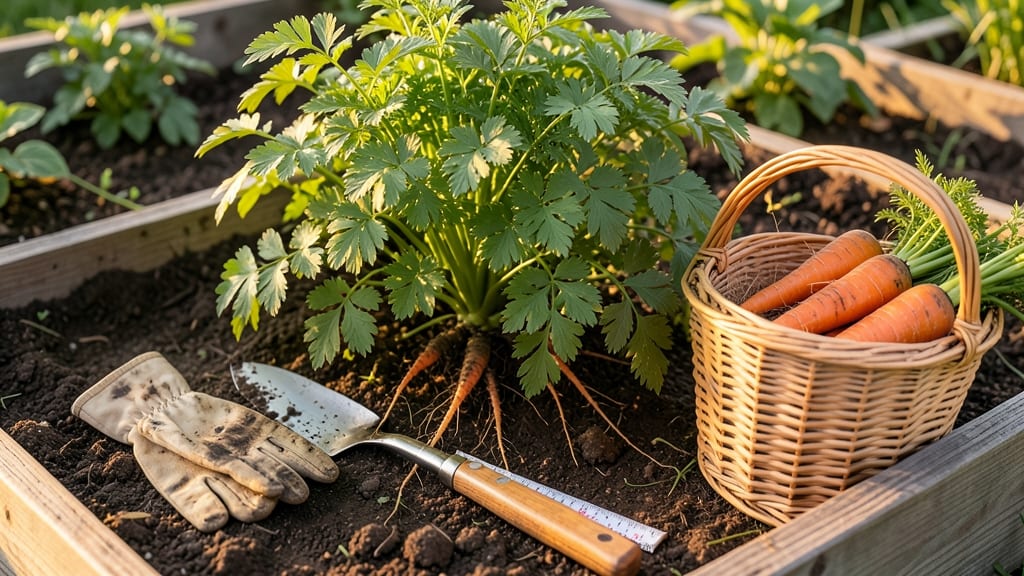
Harvesting spring-planted carrots at the right time means the difference between sweet, crisp roots and tough, bitter ones 🥕 — and most gardeners miss the window by weeks.
You’ve nurtured your patch for months, but pulling them too early leaves you with undersized snacks, while waiting too long turns them woody and unappetizing. The key? Learning to read your soil and leaves like a pro.
In this guide, I’ll walk you through the three foolproof tests to know when your carrots are ready—no guesswork, no wasted effort. You’ll also discover how planting dates shift harvest timing and the simple tricks to avoid common mistakes.
By the end, you’ll confidently harvest your carrots at their peak, whether you’re aiming for baby-sized bites or full-grown storage roots. Let’s get started.

How to tell when carrots are ready to harvest using 3 simple soil & leaf tests
Spring-planted carrots 🥕 can be tricky to time—pull them too soon, and you'll get tiny, underdeveloped roots. Wait too long, and they'll turn woody or split. The key is using these three simple tests to check soil depth, leaf size, and root resistance.
I’ve used these methods for years in my garden, and they’ve never failed me. Even if your carrots are growing unevenly, these tricks will help you harvest at peak sweetness.
First, let’s tackle the soil depth test, which is my go-to method for determining if your carrots have reached their ideal size. Most standard varieties are ready when they reach ¾ to 1½ inches in diameter, while baby carrots should be about ½ to 1 inch thick.
The soil test is especially useful if your carrots are growing in dense soil, where you can’t easily see the roots. Grab a small hand trowel and gently dig around the base of a few plants to check their size without damaging the rest of the crop.
🔹 Numbered-Highlights: 3 Foolproof Tests for Harvest-Ready Carrots 🔹
- Soil Depth Check: Use a hand trowel to dig 1 inch deep beside a carrot. If roots are ¾–1½ inches wide, they’re ready! For baby carrots, aim for ½–1 inch.
- Leaf Size Test: Measure the top greens—ready carrots have leaves 4–6 inches tall and vibrant green. Yellowing or sparse leaves mean wait longer or troubleshoot soil.
- Root Resistance: Gently grip a carrot near the soil line and wiggle it. If it pulls free easily with minimal force, it’s harvest time! If it resists or snaps, wait a few days.
The leaf size test is another quick way to gauge readiness without digging. Healthy, mature carrot tops should be 4 to 6 inches tall and a bright, vibrant green. If the leaves are shorter than 4 inches or turning yellow, your carrots likely need more time in the ground.
Conversely, if the leaves are over 6 inches tall and starting to bolt (flower), you’ve waited too long—the roots may already be woody or bitter.
For a non-destructive test, try the root resistance method. Kneel beside your carrot patch and gently grasp a carrot near the soil line. Apply slight pressure and wiggle it—if it comes out easily with minimal resistance, it’s ready to harvest.
If the carrot snaps off or requires significant force, it’s not quite time. This method works best in loose, well-drained soil; if your soil is compacted, the roots may resist even when ready.
Uneven growth is a common issue, especially in heavy or rocky soil. If some carrots are ready while others are still small, focus on harvesting the larger ones first. Leave the smaller ones in the ground to mature, but be mindful of overcrowding.
You can also thin your carrots early (when they’re about 2 inches tall) to give remaining plants more space to grow evenly. This prevents competition for nutrients and water, leading to more uniform harvests.
One mistake I see often is harvesting based solely on days after planting. While most carrots take 60 to 80 days to mature, environmental factors like temperature, soil quality, and water availability can shift this timeline.
For example, carrots planted in cool spring soil may take longer to reach harvest size than those in warmer summer conditions. Always rely on the soil, leaf, and resistance tests rather than a calendar.
If you’re growing multiple carrot varieties, like both Paris Market (small, round) and Danvers Half Long (standard), pay attention to their specific maturity times. Paris Market carrots, for instance, are often ready in 50 to 60 days, while Danvers can take up to 80 days.
Keep a small harvest journal to track each variety’s progress—it’s a game-changer for planning your garden’s timeline.
Finally, don’t forget to harvest on a dry, sunny day for the best results. Wet soil can make roots dirty and prone to rot, while pulling them after rain can lead to muddy, difficult-to-clean carrots.
Once harvested, store them in a cool, dark place (like a root cellar or refrigerator) to maintain crispness. With these tests, you’ll never guess when to harvest again—just dig, check, and enjoy your perfectly timed carrots!
Carrot harvest timing chart: days to maturity by variety and spring planting month
Spring-planted carrots offer a bountiful harvest, but their days to maturity vary wildly depending on the variety and planting month. Early March sowings yield summer harvests, while May plantings extend your window into fall. Understanding these timing shifts ensures you never miss peak sweetness or let roots become woody.
For example, 'Paris Market'—a quick-maturing heirloom—reaches harvest in just 55-65 days, while 'Danvers Half Long' takes 70-80 days. Planting later in spring delays harvest by 2-3 weeks, so adjust your schedule accordingly. Below is your quick-reference chart to plan ahead.
| Variety | Planting Month | Days to Maturity | Harvest Window | Notes |
|---|---|---|---|---|
| Paris Market | March | 55-65 days | Late May–June | Baby carrots ready at 45 days |
| Danvers Half Long | March | 70-80 days | Late June–July | Classic storage variety |
| Nantes | April | 60-70 days | Late June–early August | Sweet, cylindrical shape |
| Chantenay Red Cored | May | 65-75 days | Late July–September | Short, stout roots |
| Rainbow Mix | March or May | 60-80 days | June–October | Colorful, great for succession |
Use this chart to plan staggered plantings for continuous harvests. For instance, sow 'Paris Market' in March for early summer carrots, then follow with 'Danvers' in April for a mid-summer crop. Late May plantings of 'Chantenay' extend your harvest into fall.
Pro tip: Mark your calendar 2-3 weeks before the earliest harvest window to prep storage space or plan meals. Overripe carrots lose sweetness and develop woodiness, so time your harvests to avoid this common mistake.
Download this chart as a printable PDF to keep in your gardening planner. Adjust for your local frost dates—if your last frost is later than April 15, extend harvest windows by 1-2 weeks.