
How To
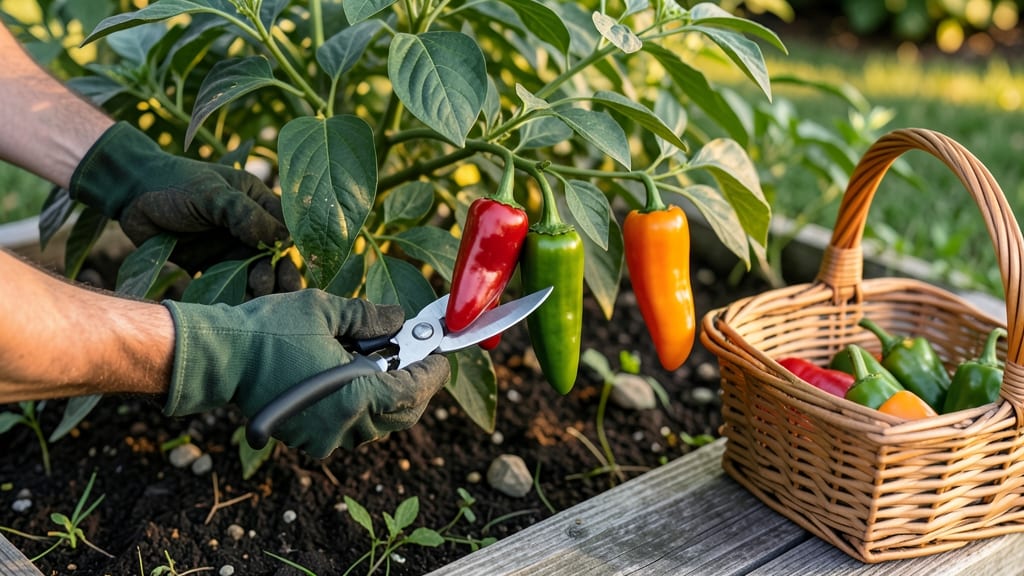
Harvesting cowhorn peppers at the right time means the difference between a fiery, flavor-packed pepper 🌶️ and a bland, overripe disappointment.
If you’ve ever picked one too early and ended up with a mild, underwhelming bite—or waited too long and lost that signature heat—you know how critical timing is. The perfect moment arrives when the color deepens, the skin thickens, and the seeds darken just enough to signal peak intensity.
For gardeners in USDA Zone 6a, this usually falls between mid-July and early October, but climate and variety play a role. A quick check of size, firmness, and color can save you from harvesting too soon or too late.
Below, I’ll walk you through the exact signs to watch for—plus how to store your harvest so that heat and flavor stay sharp for weeks.

How to identify the perfect harvest time for cowhorn peppers by color
Cowhorn peppers transform from mild green newcomers to fiery red or yellow powerhouses as they ripen. Their color shift isn't just a visual spectacle—it directly impacts heat levels and flavor intensity. Understanding this progression helps you harvest at peak spiciness rather than settling for underripe or overripe peppers.
Most cowhorn varieties start bright green when immature, then transition through yellow or orange before reaching their final deep red. Each color stage signals a different level of capsaicin development, the compound responsible for that signature kick.
Harvesting too early means milder heat, while waiting too long can lead to texture loss and reduced potency.
Here's the key: Red cowhorn peppers typically pack the most heat, but some varieties (like the yellow cowhorn) maintain their vibrant hue while reaching full spiciness. The color you aim for depends on your preferred flavor profile—red for classic heat, yellow for a slightly sweeter balance.
| Color Stage | Heat Level | Flavor Profile | Harvest Window | Texture |
|---|---|---|---|---|
| Bright Green | Mild (100-500 SHU) | Grassy, underripe | Avoid (unless variety specified) | Firm but thin-skinned |
| Yellow/Orange | Medium (5,000-10,000 SHU) | Balanced sweetness | Optional (check firmness) | Firm, thickening skin |
| Deep Red | High (15,000-30,000+ SHU) | Fully developed heat | Prime harvest time | Thick, waxy skin |
| Overripe (Dark Red/Brown) | Variable (may drop) | Bitter, mealy | Avoid for fresh use | Soft, wrinkled |
🌶️ Pro Tip: Use a color chart or take photos daily to track progression.
For red cowhorn peppers, aim for a deep, glossy red hue—think of a ripe apple's richness. The color should be uniform across the pepper, not patchy. If you see green streaks or uneven shading, wait a few more days.
Some gardeners swear by the "thumbprint test": press your thumb gently—if the skin springs back, it's ready.
Yellow cowhorn varieties often mature faster than red ones, sometimes reaching peak heat in as little as 75 days. Watch for the color to brighten fully—a pale yellow means it's not ready, but a golden-yellow signals optimal ripeness.
These peppers tend to have a slightly sweeter profile while maintaining high heat levels.
Climate plays a role in color development. In hotter zones (8-10), cowhorn peppers may ripen faster, while cooler climates (5-7) can slow the process. If your peppers aren't changing color by 90 days, they may need more sunlight exposure or balanced fertilization to encourage full ripening.
Don't ignore the stem color either. A healthy cowhorn pepper will have a green stem that's firm to the touch. If the stem turns yellow or brown, the pepper may be overripe or stressed. Always harvest by cutting the stem with clean shears to avoid damaging the plant.
For maximum heat retention, harvest cowhorn peppers in the morning after dew has dried. This ensures the capsaicin levels are at their peak. Store them in a cool, dark place (like a paper bag) for up to 2 weeks to preserve their fiery kick.
Remember: Every cowhorn variety differs. Some, like the 'Cowhorn Red', will always turn red, while others like 'Cowhorn Yellow' stay true to their name. When in doubt, taste test one
The seed and size check: when your cowhorn peppers are ready to pick
Harvesting cowhorn peppers at the right moment ensures maximum heat and flavor. Unlike some peppers, cowhorns don’t soften much as they ripen, so you’ll rely on seed development and size to judge readiness.
A pepper that’s too small or underripe will lack the fiery punch you’re after, while waiting too long can turn them mealy and lose their signature smoky-sweet depth.
Start by checking the length of your cowhorn peppers. They should reach between 3 to 6 inches—anything smaller is likely still maturing. At this stage, the pepper’s skin will also feel thick and firm when gently squeezed, not yielding like an overripe tomato.
If it gives slightly, it’s not quite ready yet.
🚨 WARNING: Overripe Cowhorn Peppers Lose Heat & Texture 🚨
⚠️ Don’t Wait Too Long!
Cowhorn peppers past their prime become soft and wrinkled, with seeds that turn deep brown or black. This signals overripeness, causing a drop in capsaicin levels (the compound responsible for heat) and a loss of crisp texture. Harvest when seeds are tan but not dark—this is your sweet spot for peak flavor and spice.
💡 Pro Tip: If you miss the window, harvest anyway—you can still dry or freeze them, but expect milder heat.
The seed check is your best indicator of readiness. Split open a pepper (or look through the stem end) to inspect the seeds. At the perfect harvest time, they’ll be tan or light brown, not white or dark.
White seeds mean the pepper is underripe, while black or very dark seeds signal it’s overripe and past its prime.
Pay attention to the stem too. A ready-to-pick cowhorn will have a stem that snaps cleanly when bent gently—this means it’s fully matured and detached easily. If the stem resists, the pepper needs more time.
Use clean pruning shears or your fingers to twist the pepper off the plant, leaving a small stem attached to avoid damaging the plant.
Climate plays a role in timing too. In hotter regions (like Zone 8+), cowhorns may ripen faster—sometimes in as few as 75 days. In cooler zones like Zone 6a, they might take up to 120 days.
Keep an eye on your local frost dates—if a hard frost is coming, harvest even if the peppers aren’t fully ripe to avoid losing your crop entirely.
Once you’ve confirmed the perfect size, seed color, and firmness, it’s time to pick! Store your harvest in a cool, dry place (like a mesh bag) to maintain freshness. For long-term storage, consider drying or freezing—this preserves the heat and texture for months. 🌶️