
How To
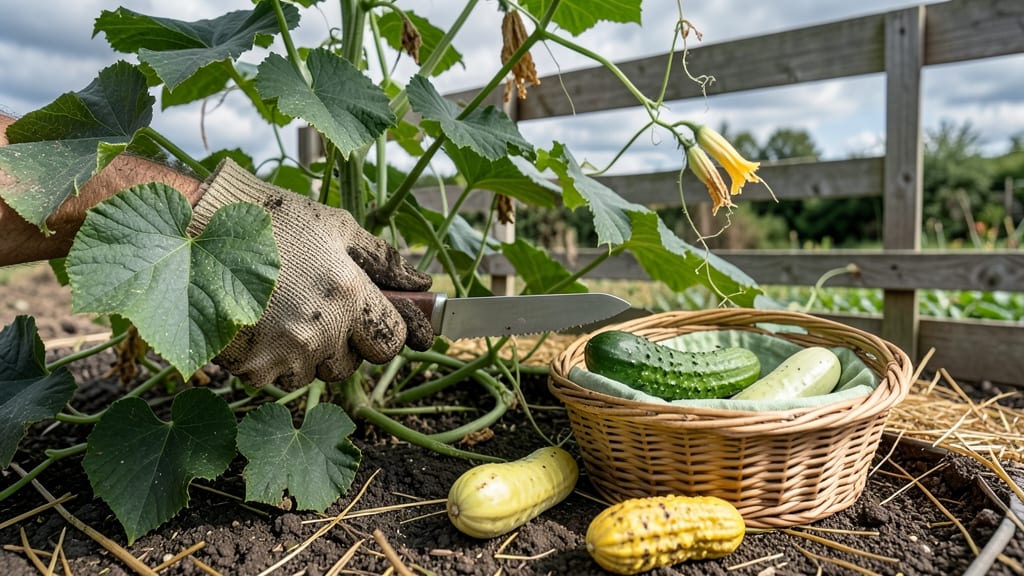
Harvesting cucumbers when their skin turns prickly is the secret to crisp, seedless picks 🥒 — timing makes all the difference between a garden gem and a mealy disappointment.
Picture this: you’ve waited weeks for those vines to burst with fruit, only to bite into a cucumber that’s tough as a boot and bitter as regret. That’s what happens when you harvest too late—or too early, for that matter.
But here’s the good news: mastering the prickly-skin trick turns guesswork into a foolproof routine.
In Zone 6a (and similar climates), your window runs from July through September, but the real magic happens when you spot those three telltale signs: size, skin texture, and color. Ignore them, and you’ll end up with cucumbers that are either too small and underdeveloped or overripe and seedy.
Below, I’ll break down exactly what to look for, how prickly skins differ from smooth ones, and why harvesting at the right moment keeps your garden productive all season long. No more wasted effort—just perfect, restaurant-quality cucumbers straight from your plot.

3 Key signs your prickly cucumbers are ready for harvest
Harvesting cucumbers at the right time transforms your garden into a crisp, seedless treasure trove. The prickly skin isn't just for show—it signals maturity, but timing is everything. Ignore these cues, and you risk bitter, seedy cucumbers that scream "overripe" instead of "fresh from the vine."
I’ve learned the hard way that size, color, and texture are your best friends when deciding whether to pick. A cucumber that’s too small will taste bland, while one left too long becomes tough and watery.
The secret lies in reading these three key signs—each one a checkpoint on the path to perfect harvest.
- 1. Size Matters: Aim for 6-8 inches for slicing types, 10+ inches for pickling. Measure from blossom end to tip—any shorter, and it’s underdeveloped. 📏
- 2. Skin Texture: Gently press a thumbnail into the skin. If it resists slightly but doesn’t dent deeply, it’s ready. Prickly skins should feel firm yet yielding, not rock-hard. 🤏
- 3. Color Shift: Look for a deep, even green hue. Pale or yellowing spots mean it’s past its prime. The prickles should stand out sharply—no fading! 💚
Don’t overlook the stem test, a trick I swear by. Bend the cucumber’s stem near the fruit—if it snaps cleanly, it’s ready. A stubborn stem means it’s still maturing. This simple check saves me from picking cucumbers that’ll turn bitter overnight.
The prickly skin itself is a clue, but it’s not the only factor. Some heirloom varieties develop softer spines as they ripen, while others keep their prickles until the very end. Pay attention to your specific cucumber variety, as bush types often mature faster than vining ones.
Seed development is another silent signal. Slice open a candidate cucumber—if the seeds are small and white, harvest now. Large, dark seeds mean the cucumber has passed its prime, and the flavor will suffer. I always keep a small knife handy for this quick check.
Regional climate plays a role too. In hotter zones (8-10), cucumbers ripen faster—sometimes in as little as 45 days. Cooler climates (zones 3-6) may take 60-70 days. Adjust your harvest timing based on your last frost date and summer heat waves.
Pro tip: Harvest in the morning when cucumbers are cool and crisp. Use a sharp knife or pruners to avoid damaging the vine. I’ve found that frequent harvesting (every 2-3 days) encourages more production—my plants reward me with a steady supply all season long.
Remember, the goal is crisp, seedless perfection. When you nail these three signs—size, texture, and color—you’ll enjoy cucumbers that taste like summer in every bite. Now go check your vines—your next harvest might be ready! 🌿
Prickly vs. smooth cucumbers: how skin texture affects harvest timing
Not all cucumbers wear their prickles the same way—and that difference changes everything about your harvest timing. Prickly-skinned varieties like 'Boston Pickling' or 'Straight Eight' develop tougher, spikier exteriors as they mature, while smooth-skinned types such as 'Armenian' or 'Lemon' stay soft and waxy.
This isn't just about looks; the prickles act like nature's timer, signaling when to act. I've seen gardeners miss the window by days because they assumed all cucumbers ripened the same way.
The key difference lies in maturity cues. Prickly cucumbers often need 2-3 extra days on the vine compared to smooth ones before reaching peak flavor. Their spines harden as they develop, so you'll need to check for internal readiness (like seed size) even when the skin feels tough.
Meanwhile, smooth varieties soften noticeably when ripe, making them easier to judge—but don't let that fool you into harvesting too late.
| Feature | Prickly Cucumbers | Smooth Cucumbers |
|---|---|---|
| Ideal Size | 6-8 inches (slicing) 10+ inches (pickling) |
5-7 inches (slicing) 8-10 inches (pickling) |
| Skin Test | Prickles firm but yield slightly Thumbnail resists pressure |
Skin softens noticeably Gentle thumb pressure dents |
| Seed Check | Small white seeds Harvest before darkening |
Tiny white seeds Ready 1 day earlier |
| Harvest Window | Narrow (2-3 days) | Wider (3-4 days) |
| Seedless Tip | Harvest at 5-6 inches for seedless | Harvest at 4-5 inches for seedless |
For seedless cucumbers, prickly varieties demand extra precision. I've found that harvesting them at 5-6 inches (rather than waiting for full size) prevents seed development while keeping the texture crisp.
Smooth-skinned types can go slightly smaller—around 4-5 inches—since their thinner skins ripen faster. The trick is checking internal seed size rather than relying solely on exterior cues.
Regional growing conditions also shift the timing. In hot climates (zones 8-10), prickly cucumbers may need harvesting daily due to rapid ripening, while smooth types can wait an extra day.
Cooler zones (like my Zone 6a) give you more flexibility, but don't push it—even smooth cucumbers left too long become woody and bitter. I've learned to set a morning reminder to check my vines, especially when temperatures climb.
One mistake I see often? Assuming all cucumbers follow the same rules. Heirloom prickly varieties like 'Tyria' often soften their spines as they ripen, while hybrid smooth types like 'Dasher' may develop faint texture changes.
Always cross-reference size, color, and seed development—never rely on one factor alone. The payoff? Cucumbers so crisp they snap when sliced, with that perfect seedless quality that makes them worth the extra attention.
Pro tip: Keep a harvest journal your first season. Note when your specific varieties hit peak ripeness—this becomes your personal guide for future years. I track everything from first harvest date to final cucumber size, and it's saved me from wasted effort (and bitter cucumbers) ever since. 🌱