
How To
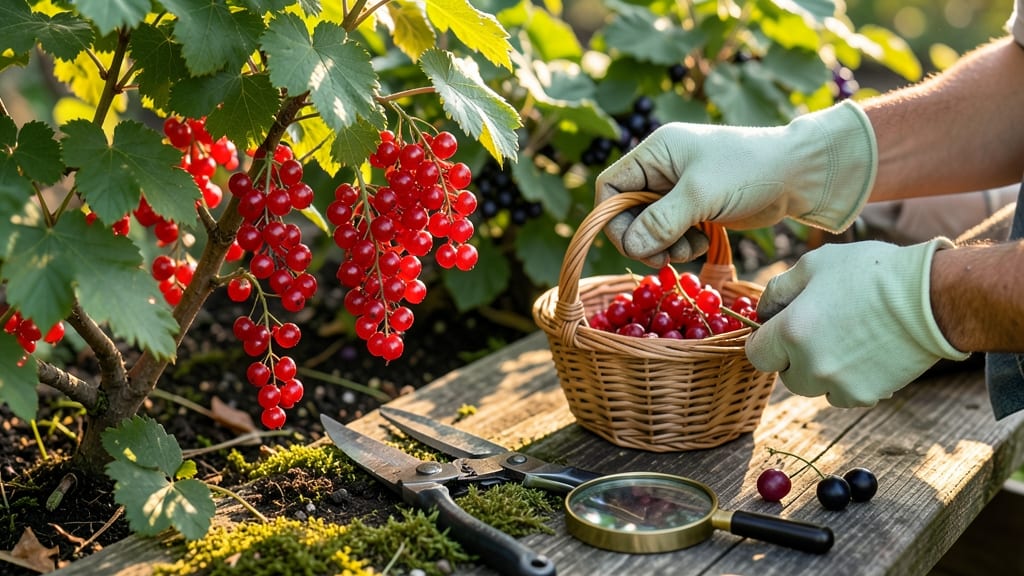
Harvesting currants at the right time means the difference between sweet, juicy berries 🫐 and bland, seedy disappointment.
Picture this: you’ve waited all season for your currant bushes to burst with color, only to pick them too early and end up with tart, underripe fruit. Or worse, you wait too long and watch birds or animals snatch them before you can.
The perfect moment is when the berries are fully colored, plump, and just beginning to soften—but still hold their shape.
Most currants in Zone 6a are ready to harvest in late June to early July, but the exact timing depends on your variety and local climate. Black currants, for example, turn deep purple-black, while red currants develop a rich crimson hue.
A simple sugar test—squeezing a berry and tasting it—can confirm ripeness, but there’s more to it than just color.
In this guide, I’ll walk you through the three foolproof signs to know when currants are ready, how to test them without damaging the plant, and even how to salvage underripe or overripe berries for jams or cooking. No more guesswork—just perfect, flavor-packed harvests every time.

How to identify the perfect currant harvest time using 3 key signs
Currants are one of those fruits where timing is everything. Harvest too early, and you’ll get tart, seedy berries with weak flavor. Wait too long, and they’ll turn mealy or attract pests like birds and rodents.
The secret lies in mastering three foolproof indicators: berry color, the stem twist test, and sugar content. Each variety—black, red, or white currants—has its own visual cues, but these methods work universally.
Start by checking the berry color, which is the most obvious sign. For black currants, look for deep purple-black hues (not glossy green). Red currants should shift from green to a rich, vibrant red. White currants turn from pale green to a creamy white with a slight translucency.
Color alone isn’t enough, though—you’ll need to combine it with the other two tests for accuracy.
| Variety | Berry Color | Stem Twist Test | Sugar Content Test | Harvest Window |
|---|---|---|---|---|
| Black Currants | Deep purple-black | Twists 90° with slight pressure | Sweet-tart, minimal seediness | Mid-June to July |
| Red Currants | Vibrant red | Twists 45° with gentle pull | Balanced sweetness | Late June |
| White Currants | Creamy white | Detaches easily with slight twist | Mildly sweet, floral notes | Early July |
The stem twist test is my favorite trick because it’s instant feedback. Gently grasp a berry between your thumb and forefinger, then twist the stem. If it snaps cleanly at the base or twists 45–90 degrees before detaching, it’s ready.
Black currants need a firmer twist (90°), while red and white varieties release more easily. Never pull hard—this can damage the bush and encourage disease.
For the sugar content test, pop a berry into your mouth and let it sit for 5 seconds. If it tastes sweet-tart with minimal seediness, it’s perfect. Underripe currants will be tart and seedy, while overripe ones taste flat or mealy.
Pro tip: Black currants develop more sugar as they ripen, so they’re often harvested slightly later than red or white varieties.
Harvesting at the right time also means picking in stages. Currants on a single bush don’t all ripen simultaneously—start with the earliest berries and return every 2–3 days. This extends your harvest window by up to 2 weeks and ensures you don’t miss a single sweet berry.
Use sharp pruning shears or scissors to avoid crushing the fruit, and always harvest on a dry morning to prevent mold.
One common mistake is relying solely on color. Some late-season varieties stay green longer but develop full sugar content internally. That’s why the stem twist and sugar tests are non-negotiable.
For example, the ‘Consort’ black currant might look dark but still taste underripe if harvested too early. Always combine all three methods for accuracy.
If you’re unsure, err on the side of earlier rather than later. Overripe currants lose their vibrant flavor and become mushy, but slightly underripe ones can still be used for jams, sauces, or drying.
For fresh eating, though, precision matters. Keep a small notebook by your currant bushes to track when berries first change color—this helps you predict future harvests.
Finally, watch for bird activity. If birds are pecking at your currants, it’s a sign they’re nearly ripe. While this can be frustrating, it’s also a natural cue that your berries are nearing peak sweetness.
Consider covering the bush with bird netting a few days before the expected harvest to protect your yield.
With these three signs—color, stem twist, and sugar content—you’ll never miss the perfect currant harvest again. The key is patience and attention to detail. Once you master it, you’ll enjoy juicy, flavorful berries straight from your garden, every season. 🫐
Best practices for harvesting currants without damaging the plant
Once you’ve identified your currants are ripe, the next challenge is harvesting them without stressing the plant. Currants are delicate, and improper handling can lead to broken stems, disease entry points, or even reduced next year’s yield.
The key is to work gently, use the right tools, and follow a systematic approach to maximize your harvest while keeping your bushes healthy.
I always start by inspecting the plant for ripe clusters—look for berries that are fully colored and slightly soft to the touch. Currants ripen unevenly, so you’ll likely need to harvest in stages over 1-2 weeks, especially if your bushes are in partial shade.
This staggered approach prevents overloading the plant and ensures you don’t miss any ripe berries.
Here’s the golden rule: never pull the berries. Instead, use a gentle twisting motion to detach them from the stem. This minimizes damage to the plant and reduces the risk of spreading fungal diseases.
If you’re harvesting a large quantity, consider using a pair of clean, sharp berry scissors or pruning shears—just be sure to sterilize them with rubbing alcohol between cuts to prevent disease transmission.
⚠️ WARNING: Harvesting at the Wrong Time Damages Yield
Currants are most vulnerable to damage during peak ripening (late June–early July). Harvesting too early (when berries are still green or hard) stresses the plant, while waiting too late invites birds and pests.
Overripe currants also split easily, making them prone to rot. Check ripeness every 2-3 days during the harvest window to avoid missing the perfect moment.
Pro tip: If you’re unsure, pick a few berries and taste them. Underripe currants taste tart and seedy, while overripe ones are mushy and fermented. Aim for a balance of sweetness and firmness.
Frequency matters just as much as technique. For most currant varieties, I recommend harvesting every 2-3 days during peak season. This keeps the plant from becoming overburdened and encourages continuous fruiting.
If you’re growing black currants, which ripen slightly later than red or white varieties, you might need to extend your harvesting schedule by a week. Always harvest on a dry morning to avoid spreading moisture-borne diseases like powdery mildew.
After harvesting, it’s time to think about post-harvest care. Currants are heavy feeders, so I recommend applying a balanced fertilizer (10-10-10) 4-6 weeks after your final harvest to replenish nutrients.
This gives the plant time to recover before winter. Additionally, prune out any dead, diseased, or overcrowded branches—this improves airflow and reduces the risk of fungal issues next season.
For long-term plant health, I also suggest thinning out some of the oldest canes (those over 3 years old) in late winter or early spring. This promotes new growth and ensures your currant bush remains productive for years to come.
Just remember: never prune during the growing season, as this can stress the plant and reduce next year’s fruit set.
Finally, store your freshly harvested currants in a single layer on a paper towel-lined tray in the refrigerator. They’ll keep for up to 5-7 days this way, but I always recommend using them fresh or processing them into jams, jellies, or syrups within a few days.
The flavor peaks at harvest, so don’t wait too long!