
How To
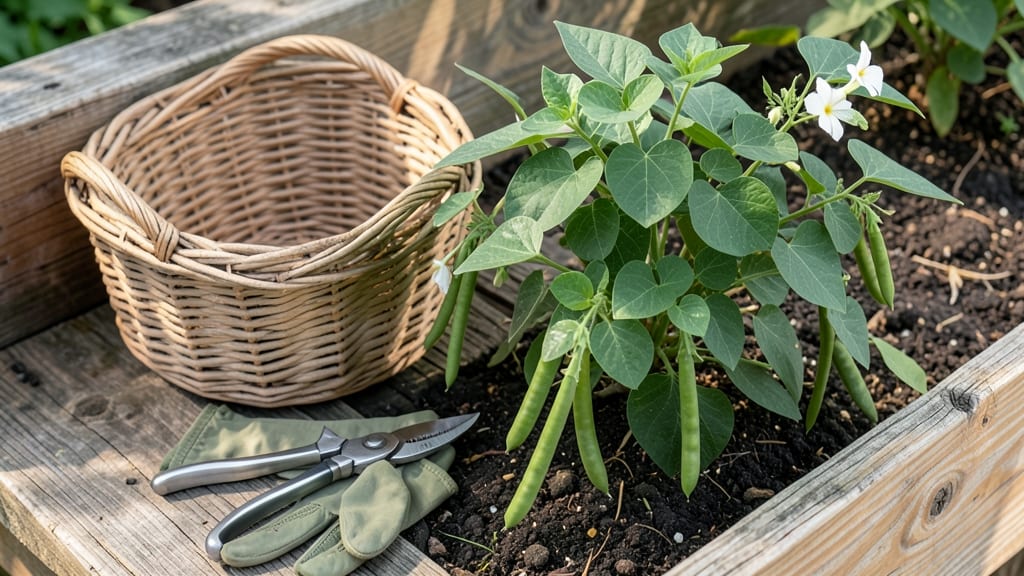
Harvesting dragon tongue beans at the right time turns their flavor from bitter to nutty-sweet, and the key is watching for three telltale signs: pod size, texture, and color.
Picture this: you’ve waited 70–90 days since planting those seeds in late April, and now your 🌱 plants are heavy with pods. But if you pull them too early, they’re bland; too late, and they’re tough and stringy. The window is narrow, and missing it means sacrificing that signature taste.
Most gardeners focus on size—aim for pods that are 4–6 inches long—but the real secret is firmness. A ripe dragon tongue bean should snap cleanly when bent, with a deep, glossy green hue. Skip the color test, and you risk harvesting pods that are past their prime.
In this guide, I’ll break down the exact cues to watch for, how climate affects timing in Zone 6a, and why a 5-minute daily check keeps your harvest at peak flavor. No more guesswork—just perfect pods, every time.

Dragon Tongue bean harvest timing: pod color & size clues for peak flavor
Harvesting Dragon Tongue beans at the right moment transforms their nutty-sweet flavor from ordinary to extraordinary. Unlike other beans, these pods have a distinct color progression and texture shift that signals peak ripeness.
Missing this window means tough, bitter pods that lose their signature taste—so let’s break down exactly what to watch for.
First, focus on pod size as your primary indicator. Dragon Tongue beans should be harvested when they reach 4–6 inches long. This is their sweetest stage, where the pods remain tender and crisp.
Waiting longer risks woody texture and reduced flavor intensity, while harvesting too early means underdeveloped taste buds.
Next, examine the pod color. Early in development, pods appear pale green or yellowish. As they mature, they deepen to a rich, glossy green—this is your cue.
A dull or streaky color suggests overmaturity, while patches of yellow or brown mean the pod is past its prime and starting to degrade.
Texture is the final clue. Gently press a pod between your fingers—it should feel firm but yielding, almost like a snap pea. If it snaps cleanly when bent, it’s ready. A pod that resists bending or feels rubbery has passed its peak. Pro tip: Harvest in the morning when pods are coolest and crispest for the best flavor.
| Stage | Pod Size | Color | Texture | Flavor | Action |
|---|---|---|---|---|---|
| Early (Not Ready) | <3 inches | Pale green/yellow | Soft, flexible | Mild, underdeveloped | Wait 1–2 weeks |
| Ideal (Harvest Now) | 4–6 inches | Deep glossy green | Firm, snaps easily | Sweet, nutty, crisp | Harvest immediately |
| Overripe (Too Late) | >6 inches | Dull, streaky, or brown | Woody, tough | Bitter, fibrous | Discard or compost |
Your climate zone plays a crucial role in timing. In hotter regions (Zones 8–10), Dragon Tongue beans mature faster—often in 60–70 days—so monitor pods closely. In cooler zones (Zones 3–6), the growing season extends to 80–90 days, giving you more flexibility.
Always adjust by checking pods weekly once they reach 3 inches.
Seed development also impacts harvest timing. If you’re growing Dragon Tongue beans for dried seeds, let pods mature fully until they turn brown and crisp. However, for fresh eating, stop harvesting once pods exceed 6 inches—they’ll only get tougher.
I’ve found that consistent harvesting (every 2–3 days) encourages more pods to form, extending your harvest window.
One common mistake is relying solely on days after planting as a harvest guide. While Dragon Tongue beans typically mature in 70–90 days, environmental factors like temperature swings or water stress can delay ripening. Always prioritize visual and tactile cues over calendar-based estimates for the best results.
For container growers, harvest timing can shift slightly due to limited root space. Pods may mature 5–7 days earlier in pots, so check them daily once they reach 3 inches.
If your plants are in full sun and well-watered, they’ll still follow the same color and size rules—just stay vigilant.
Finally, store harvested pods in the fridge for up to 5 days to preserve freshness. For longer storage, blanch and freeze them—this locks in their sweetness and texture. I’ve had great success with quick-pickling Dragon Tongue beans too; their unique flavor pairs beautifully with vinegar and herbs.
Mastering the harvest of Dragon Tongue beans is all about observation and timing. By focusing on pod size, color, and texture, you’ll consistently enjoy their peak flavor—whether you’re snacking fresh or preserving for later. Happy harvesting! 🌱
Common harvest mistakes that ruin Dragon Tongue beans (and how to avoid them)
Even the most patient gardeners can fall into traps when harvesting Dragon Tongue beans. One of the biggest mistakes is over-harvesting—pulling pods too aggressively when they’re still small. This stresses the plant and reduces future yields, leaving you with fewer nutty-sweet pods later in the season.
On the flip side, under-harvesting lets pods mature past their prime. When dragon tongue beans grow beyond 6 inches, they develop tough fibers and bitter flavors. The key is balance: harvest every 2–3 days during peak production to keep the plant encouraged while ensuring pods stay tender.
⚠️ When to Harvest Dragon Tongue Beans
Timing is critical: Wait until pods are 4–6 inches long, firm to touch, and snap cleanly when bent. Harvest in the morning for peak flavor, as pods lose sweetness by afternoon.
Missed window? Pods over 7 inches become stringy and bitter—best to compost or use for seed saving.
Temperature swings also play a role in harvest timing. In Zone 6a, hot afternoons can accelerate pod maturation, so check beans daily in July and August. If your area hits 90°F+ consistently, pods may overripe faster—harvest earlier to preserve tenderness.
Another common error is improper storage post-harvest. Dragon Tongue beans wilt quickly if left in the sun or stored in humid conditions. Always refrigerate harvested pods in a paper towel-lined container for up to 5 days. For longer storage, blanch and freeze them whole to lock in flavor.
Finally, misjudging maturity based on color alone is risky. Some gardeners wait for pods to turn yellow-green, but by then, they’re often past their prime. Always combine size, firmness, and snap test for accuracy. A quick pinch test—if the pod gives slightly—means it’s ready to eat.
By avoiding these pitfalls, you’ll enjoy Dragon Tongue beans at their peak: crisp, sweet, and full of that signature nutty flavor. The secret? Stay consistent with checks and trust your senses over the calendar.