
How To
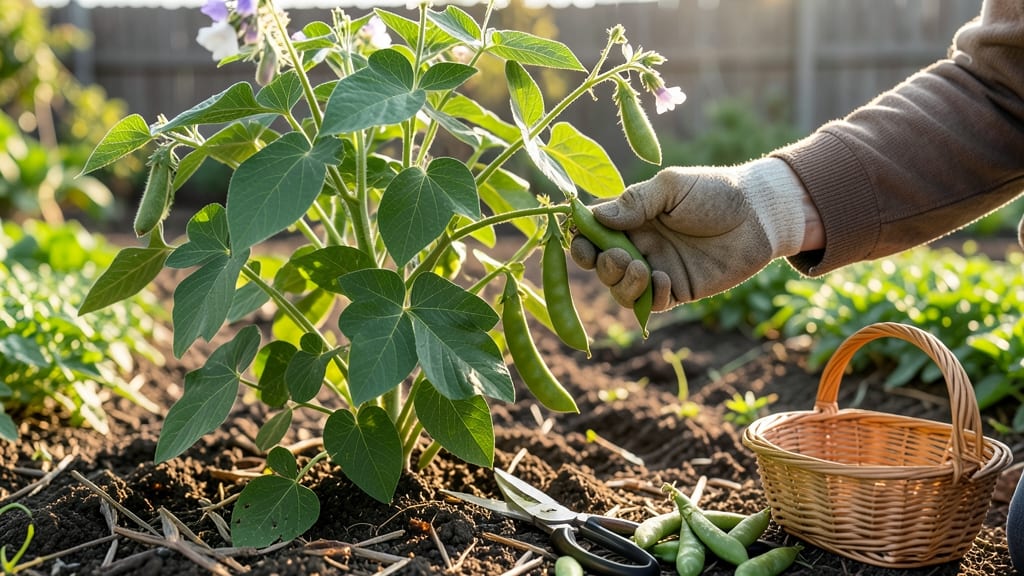
Harvesting edamame beans at the right time means the difference between tender, protein-packed pods and tough, flavorless ones.
Picture this: you’ve spent weeks nurturing your 🌱 edamame plants, and now the pods are swelling—but how do you know when to pick them? Miss the window, and you’ll end up with overripe beans or wasted effort.
The key lies in pod color, seed size, and a few other simple checks that ensure peak flavor and texture.
Most gardeners wait until pods are 1-2 inches long and a deep green color, but temperature and variety play a role too. In USDA Zone 6a, where spring planting kicks off in April, timing shifts slightly based on whether you’re growing early or late-season varieties.
Below, I’ll break down the exact cues to watch for—plus how to store your harvest so it stays fresh.
From the first green pods to the final harvest, you’ll learn how often to pick for continuous yield, what to do if pods turn yellow too soon, and even how to salvage overripe beans. Ready to turn your garden into a steady supply of homegrown edamame?

Edamame pod color guide: green vs. yellow vs. brown stages
Understanding edamame pod colors is the key to harvesting at peak tenderness. The transition from green to yellow to brown signals critical stages in development—each with its own implications for flavor and texture.
As a gardener, I’ve learned that missing this window means tough, dry beans instead of the sweet, juicy pods we all love.
When your edamame plants first produce pods, they’ll be a vibrant deep green color. This is your prime harvest window, typically occurring between 75 to 90 days after planting, depending on your variety and climate.
The pods should feel firm but yield slightly when gently squeezed—like a ripe pea pod. If you harvest at this stage, you’ll enjoy the best flavor and texture.
Light exposure plays a huge role in timing. Plants in full sun (6-8 hours daily) will mature faster, often reaching harvest readiness in as little as 60 days for early varieties.
In contrast, those in partial shade may take up to 10 days longer to develop pods. Pay close attention to your local growing conditions, as cooler temperatures can also delay maturation.
Here’s what each pod color stage means for your harvest:
Green pods are the ideal harvest stage. They should be 1-2 inches long, firm, and a rich green. The seeds inside should be plump but still light green. If you wait too long, the pods will turn yellow, and the beans will become tough and dry.
Yellow pods signal over-maturity. This stage occurs when the plant has finished its productive cycle, and the pods begin drying out. While you can still harvest at this point, the beans will be hard and less flavorful. If you notice yellowing, it’s best to harvest immediately to salvage what you can, then remove the plant to redirect energy to future growth if you’re growing a bush variety.
Brown pods are a clear sign of missed harvest timing. By this stage, the beans inside are fully dried and often shriveled. While you might still use them for cooking (like in soups or stews), they won’t offer the same tender, sweet qualities as freshly harvested pods. Prevent this stage by monitoring your plants closely and harvesting frequently.
To maximize your harvest, I recommend checking your edamame plants every 2-3 days once pods begin forming. This frequent monitoring helps you catch the deep green stage before it slips into yellow or brown.
If you’re growing multiple varieties, keep a small notebook to track which plants mature fastest—this way, you can prioritize harvesting the earliest pods.
Another pro tip: Harvest in the morning when pods are cool and crisp. This timing ensures the best flavor and texture. Use clean, sharp pruning shears or scissors to snip pods just above the stem to avoid damaging the plant.
Always leave at least one pod per stem to encourage continued production, especially if you’re growing a bush edamame variety.
If you live in a cooler climate, like USDA Zone 5 or below, your edamame pods may mature more slowly. In these areas, I’ve found that using black plastic mulch can warm the soil and speed up pod development by 5-7 days.
This simple trick can make all the difference in catching that perfect green harvest window.
Finally, don’t forget that edamame plants are heavy feeders. If you notice pods turning yellow or staying small, it might be a sign of nutrient deficiency. A light application of balanced fertilizer (10-10-10) every 4-6
Edamame seed size and texture: the 3 critical checks
Determining the perfect moment to harvest edamame hinges on three key factors: seed size, pod firmness, and seed development. Unlike other beans, edamame demands precision—harvest too early, and you’ll get underdeveloped pods; too late, and the texture turns mealy.
I’ve learned the hard way that ignoring these checks can mean sacrificing flavor and yield. Let’s break down what to look for in your garden.
The first check is seed size. At harvest time, edamame seeds should resemble pea-sized (about 1/4 inch in diameter) but not yet marble-sized. When seeds reach marble size (1/2 inch), the pods become fibrous and lose their signature tender snap.
Early-season varieties like 'Enrei' mature faster, so their seeds hit pea size around 70 days, while late-season types like 'Black Turtle Soya' may take closer to 90 days.
Next, examine pod firmness by gently squeezing. Ready-to-harvest pods should yield slightly under pressure but not feel mushy. Think of it like testing a ripe avocado—just enough give to indicate maturity without collapsing. If pods feel rock-hard, they’re not ready; if they’re soft or wrinkled, you’ve missed the window.
This check is especially critical in hot, dry climates, where pods can mature faster and lose moisture quickly.
Finally, peek inside the pod to assess seed development. The seeds should be fully formed, filling the pod’s interior without crowding. If seeds are still shriveled or barely visible, wait a few days.
Overripe seeds turn brown and develop a bitter taste, a common mistake I’ve seen in gardens where harvests are delayed. Pro tip: Use a pod cutter to snip stems cleanly, avoiding damage that speeds up spoilage.
When to Harvest Edamame Beans
Troubleshooting is half the battle. If your pods turn yellow too soon, it’s often due to heat stress or water fluctuations. In my garden, I’ve found that mulching with straw helps regulate soil temperature and moisture, extending the harvest window by up to a week.
Another trick? Harvest in the early morning when pods are coolest and most hydrated. This simple habit preserves their vibrant green color and crisp texture.
For continuous yield, pick pods every 2-3 days once they start forming. This encourages the plant to produce more flowers and pods, rather than letting all seeds mature at once. Just remember: the goal is freshness, not quantity.
A few perfectly timed harvests beat a single overripe haul any day. With these checks, you’ll transform your edamame plants into a steady supply of homegrown goodness.