
How To
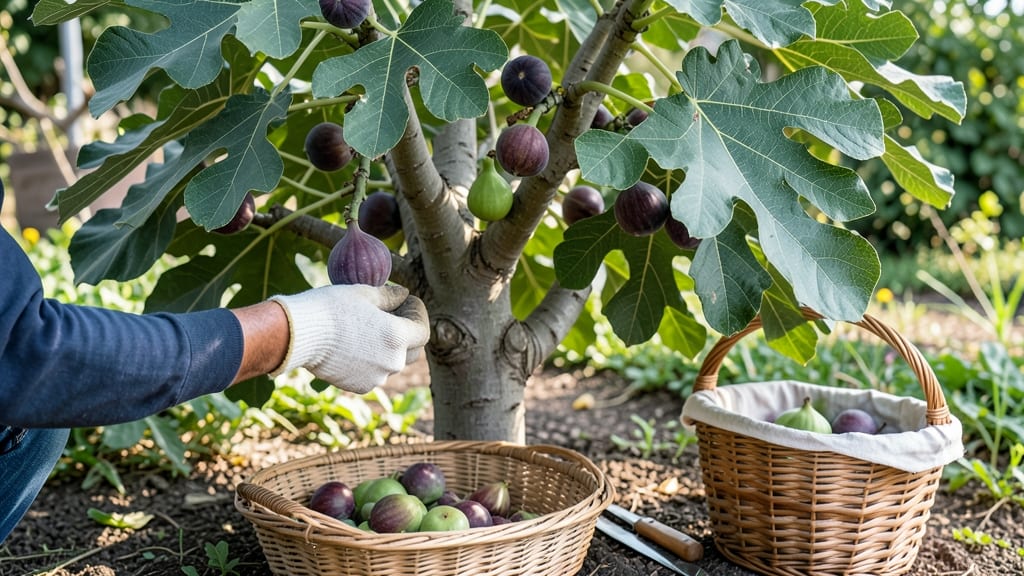
Harvesting figs at the right time means the difference between jammy sweetness and mealy disappointment — and the key is knowing when to harvest figs before they overripe.
Picture this: you’re standing under your 🍈 fig tree in late summer, staring at fruit that looks ripe but might still be weeks away from peak flavor. One wrong pick, and you’re left with bland, rubbery figs that won’t hold up in recipes.
The good news? You don’t need a guess—just three simple tests to feel, see, and smell your way to perfect ripeness every time.
In USDA Zone 6, where figs thrive from August through October, timing matters even more. A fig’s skin softens like ripe peach flesh, its color deepens to rich purple, brown, or yellow, and a gentle twist releases it from the branch.
Miss these cues, and you’ll either pick too early (hard, tart) or too late (squishy, overripe).
Below, I’ll walk you through those three tactile tests—plus how to adjust for your specific fig variety—so you never doubt when to harvest again. No more second-guessing, just foolproof figs.

3 Tactile tests to determine fig ripeness before harvesting
Figs are one of nature's sweetest rewards, but harvesting them at the wrong time can turn that reward into disappointment. Overripe figs become mushy and lose their jammy texture, while underripe figs stay hard and bland.
The key to perfect figs lies in your hands—literally! These three tactile tests will help you determine ripeness through touch, color, and scent, ensuring you pick figs at their peak.
First, let’s address the most common question: Why can’t I just wait until the figs fall off the tree? While some varieties do drop naturally, many modern figs stay firmly attached even when overripe.
Relying on this method risks missing the sweet spot. Instead, use these sensory cues to harvest figs at their sweetest, whether you're growing Brown Turkey, Celestial, or Chicago Hardy varieties.
📌 Pro Tip: Always harvest figs in the morning when temperatures are cooler. This preserves their texture and flavor, making them last longer once picked.
3 Tactile Tests for Perfect Fig Ripeness
- 1
- 2
- 3
The Gentle Squeeze Test: Press your thumb against the fig’s skin. A ripe fig should yield slightly—like pressing a ripe peach—without feeling mushy. If it feels firm, it’s not ready; if it’s too soft, it’s overripe.
The Color Consistency Check: Look for a uniform color change. Green figs aren’t ready, but a deep purple, brown, or yellow (depending on variety) signals ripeness. Some varieties, like Celestial, develop a pink blush—don’t miss this clue!
The Twist-and-Pull Test: Gently twist the fig while holding the stem. A ripe fig will detach easily with a slight tug. If it resists, it’s not ready; if it falls apart, it’s past its prime.
🌱 Bonus: Sniff near the stem! A sweet, honey-like aroma means your fig is at its peak.
Now that you’ve mastered the tactile tests, let’s dive deeper into what each test reveals about your figs. The gentle squeeze test is especially useful for Brown Turkey figs, which can vary in firmness even on the same tree.
Pressing too hard? You’re risking bruising the fig’s delicate skin, which can lead to rot. Aim for a light touch—just enough to feel the give.
For color consistency, pay attention to the fig’s base near the stem. This area often changes color first.
If the top is ripe but the base is still green, give it another day or two. Celestial figs, with their striking pink and green hues, are a great example of how color can be your best indicator—just don’t confuse their vibrant skin with ripeness if the rest of the fig is still firm.
The twist-and-pull test is a game-changer for avoiding broken stems. Figs that resist pulling are often still attached by a small piece of skin or stem—don’t force it! Instead, use a pair of clean pruning shears to snip the stem cleanly.
This method also helps you avoid the common mistake of harvesting figs too early, which can leave your tree vulnerable to pests or disease.
One question I hear often is: What if my figs are already overripe? Don’t toss them! Overripe figs can still be used for jam, dried figs, or even baked goods.
Simply remove any mushy spots, chop them up, and use them in recipes that call for cooked figs. You’ll be surprised how versatile they are.
For those growing rare fig varieties, like Violette de Bordeaux or Osborn Prolific, these tests still apply, but timing may shift slightly. Violette de Bordeaux, for example, ripens later in the season and may require a few extra days of monitoring.
Always keep an eye on the weather forecast—hot spells can accelerate ripening, while cooler days may slow it down.
Finally, remember that figs continue to ripen after picking. If you’re unsure, harvest a few figs and let them ripen indoors at room temperature. Place them in a paper bag with a banana or apple to speed up the process (the ethylene gas helps!).
Within a day or two, you’ll see the color deepen and the scent intensify—proof that your tactile tests were spot-on.
With these three tactile tests, you’ll never second-guess when to harvest figs again. Whether you’re a seasoned gardener or a first-time fig grower, these simple checks will ensure you’re always picking figs at their sweetest, jammiest, and most flavorful. Happy harvesting! 🍈
How fig variety affects harvest timing (and when to avoid picking)
Not all figs ripen on the same schedule, and picking at the wrong time can ruin your harvest. The Brown Turkey variety, for example, matures earlier than Celestial figs, which can confuse even experienced gardeners.
Understanding these differences helps you avoid mealy texture or overripe squishiness—both signs of missed timing.
Below, I’ve broken down the harvest windows for five popular fig varieties, including their ideal color cues, size triggers, and common mistakes to avoid. For instance, Chicago Hardy figs often ripen 2-3 weeks later than Desert King figs, so timing matters.
| Variety | Harvest Window (USDA Zone 6) | Color Cue | Size Cue | Avoid Picking If... |
|---|---|---|---|---|
| Brown Turkey | Late August - Early September | Deep purple-brown | 1.5-2.5 inches | Still green or firm |
| Chicago Hardy | Early September - Mid-September | Purple with pink blush | 2-3 inches | Hard stem end |
| Celestial | td style="padding: 10px; border-bottom: 1px solid #31543c;">Mid-September - Late OctoberYellow-green | 1.5-2 inches | Overripe and mushy | |
| Desert King | Early August - Mid-August | Brown-purple | 1-1.5 inches | Too small, underripe |
| Osborn Prolific | Late August - Early October | Green-yellow | 2-3 inches | Still attached firmly |
If you’re growing Celestial figs, for example, waiting until mid-September ensures they’ve reached their peak sweetness. Picking too early results in tart, underdeveloped fruit, while leaving them too long risks bird damage or rotting on the branch.
Always check for a slight give when pressed—this is your best indicator of ripeness.
Another critical mistake? Harvesting figs when they’re still green or firm. These figs won’t ripen off the tree, so waiting for the color shift and softening is non-negotiable. For Chicago Hardy figs, this means watching for that pink blush—a telltale sign they’re ready.
Pro tip: Use a harvest basket lined with paper to prevent bruising, and always twist figs gently to avoid tearing the stem. This method also helps you gauge ripeness—if the fig detaches easily, it’s ready. If not, give it another 3-5 days.
🌱 Now that you know the exact harvest windows for your fig variety, you can plan your picking schedule with confidence—and enjoy figs at their sweetest, jammiest best.