
Picking
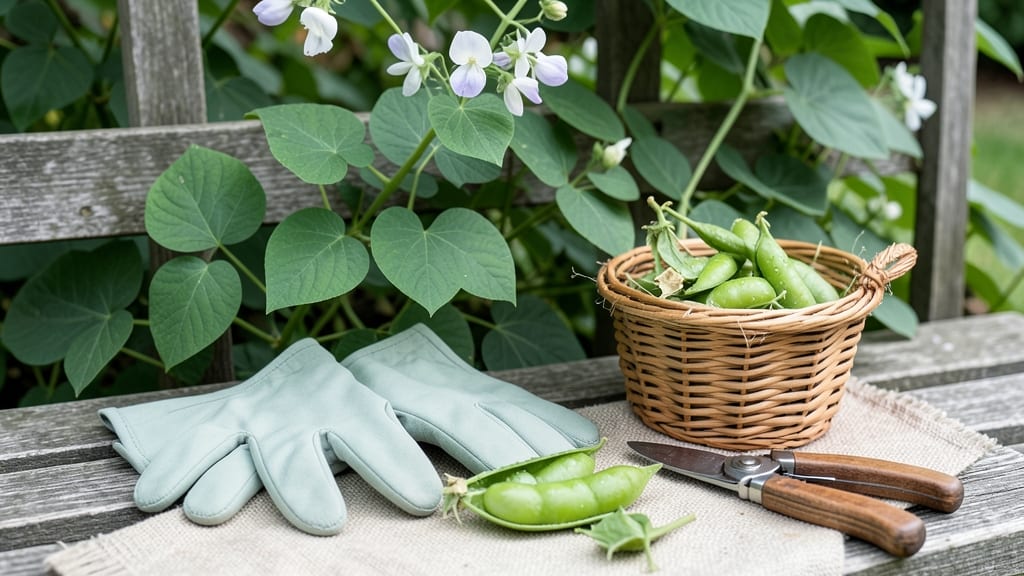
Harvesting garden peas at the right time means snapping into sweet, tender pods instead of tough, mealy ones—here’s how to tell when they’re ready.
Picking too early means wasting time on underripe pods, while waiting too long turns them bitter and shriveled. The difference between a perfect harvest and a disappointing one often comes down to three simple visual cues most gardeners miss.
Think of your garden peas as tiny green treasure chests: the moment they’re bright green, plump, and 1–2 inches long, that’s your cue to grab them before the seeds inside start showing.
Miss this window, and you’ll end up with pods that snap back when you try to shell them.
In this guide, I’ll walk you through the exact signs to look for, how long it takes from planting to harvest, and what happens if you pick too soon or too late—so you can enjoy the best flavor and yield every season.

3 Visual cues to identify perfectly ripe garden peas
Harvesting garden peas at the right moment transforms your garden into a sweet, crisp treasure trove. The difference between perfectly ripe peas and those that are too early or overripe comes down to three key visual cues.
Ignoring these signals often leads to mealy, tough pods or bitter, shriveled harvests—neither of which you want in your kitchen. Let’s break down what to look for so you can pick at peak freshness every time.
First-time pea growers often struggle because peas ripen quickly—sometimes within just 24 hours. Missing the window means wasted effort. By focusing on these three visual indicators, you’ll avoid the heartbreak of overripe peas and ensure your harvest is bursting with sweetness and texture.
Whether you’re growing sugar snap peas, snow peas, or classic garden peas, these cues apply universally.
🌱 Pro Tip: Always harvest peas on a dry morning to preserve their quality. Wet pods bruise easily and spoil faster.
📌 3 Visual Cues for Perfectly Ripe Garden Peas
- 📏 Pod Size: Aim for 1-2 inches long—any shorter means they’re underdeveloped, while longer pods risk woody texture.
- 🟢 Pod Color: Bright, vibrant green pods signal ripeness. Pale or yellowing pods are past their prime.
- 🤲 Pod Texture: Squeeze gently—firm and slightly plump pods are ready. Soft or shriveled pods are overripe.
⚠️ Avoid the Mistake: Never harvest when seeds are visible through the pod—this means the peas are bitter and tough.
Let’s dive deeper into each cue to help you spot the perfect pea like a pro. Starting with pod size, this is your first line of defense against underripe harvests. Peas grow rapidly, and their size is directly tied to their flavor and tenderness.
A pod measuring 1 inch is the absolute minimum for edible quality, but 1.5-2 inches is ideal for most varieties. Use a ruler or compare to common objects—like a standard paperclip—to gauge size accurately.
Next, pod color is your second critical clue. Bright green pods are a clear sign of ripeness, while pale or yellowing pods indicate the peas have overstayed their welcome on the vine.
This color shift happens quickly, especially in hot weather, so check your plants every 2-3 days during peak growing season. If you notice pods turning yellow, it’s time to harvest what you can before the entire batch spoils.
Finally, pod texture is where many gardeners trip up. A ripe pea pod should feel firm but slightly yielding—like a plump grape. If it feels squishy or hollow, it’s overripe. On the flip side, hard or woody pods mean they were picked too early.
To test, gently press the pod between your thumb and forefinger. The right texture is the key to sweet, crisp peas that snap when bitten into.
🌿 Expert Hack: Harvest peas early in the morning when temperatures are cool. This ensures the pods are freshest and crispest for eating or storing.
One common mistake is harvesting all pods at once. Instead, pick only the ripe pods and leave the rest to mature. This encourages continuous production from your pea plants.
Overharvesting can stress the plant, leading to fewer future pods. Aim to harvest every 2-3 days during peak season to keep your plants productive and healthy.
Regional differences can also affect ripening. In cooler climates, peas may take longer to mature, while warmer regions can speed up the process. Pay attention to your local last frost date and adjust your harvesting schedule accordingly.
For example, in Zone 5, spring peas might be ready by late May, while in Zone 8, fall-planted peas could be ready by October.
If you’re growing multiple pea varieties, note that some—like sugar snap peas—are best harvested slightly smaller and sweeter than classic garden peas. Always check the seed packet instructions for variety-specific tips.
For example, snow peas should be harvested when the pods are flat and tender, while garden peas should be round and plump.
To wrap up, mastering these three visual cues—size, color, and texture—will ensure you never miss the perfect harvest window again. With practice, you’ll develop an eye for ripe peas that makes harvesting a breeze.
Next time you’re in your garden, grab a handful of pods and give them the squeeze test—your taste buds will thank you!
How long does it take for garden peas to reach harvest stage?
Garden peas are one of the fastest-growing vegetables in your garden, with most varieties reaching harvest readiness in just 60–70 days after planting. However, this timeline can vary based on the pea variety you choose and your local growing conditions.
Early spring plantings typically yield harvests in 6–8 weeks, while late summer plantings may take 10–12 weeks due to shorter daylight hours.
For example, sugar snap peas and snow peas often mature faster (around 55–65 days), while traditional garden peas like 'Green Arrow' or 'Wando' take closer to 70–80 days. Always check the seed packet for the days-to-maturity estimate to plan your harvest schedule accurately.
| Stage | Days After Planting | Key Development | Harvest Window |
|---|---|---|---|
| Germination | 7–14 days | Sprouts emerge | N/A |
| Vegetative Growth | 21–35 days | Vines climb 6–12 inches | N/A |
| Flowering | 35–45 days | White/purple flowers appear | N/A |
| Pod Formation | 50–60 days | Pods reach 1–2 inches | Begin harvesting |
| Peak Harvest | 60–70 days | Firm, bright green pods | Optimal picking time |
| Overripe | 70+ days | Pods yellow, seeds visible | Avoid harvesting |
Temperature plays a critical role in how quickly peas mature. Cooler spring temperatures (50–65°F) actually speed up growth, while summer heat (80°F+) can slow development and reduce pod quality.
If you're planting in late summer for a fall harvest, choose heat-tolerant varieties like 'Oregon Sugar Pod' and provide afternoon shade to protect plants from wilting.
Sunlight also affects timing—peas need 6+ hours of sun daily for optimal growth. If your garden receives only partial shade, expect a 10–15 day delay in reaching harvest stage. In low-light conditions, prioritize dwarf varieties like 'Little Marvel' to maximize your yield despite limited sunlight.
To extend your harvest season, consider succession planting every 2–3 weeks in early spring. This staggered approach ensures a steady supply of fresh peas instead of one large harvest. Just be sure to keep soil temperatures above 40°F for seeds to germinate properly.
Remember, the key to a successful pea harvest is consistent monitoring. Check pods every 2–3 days once they begin forming—this prevents overgrowth and ensures you always have fresh, tender peas ready to pick.
With the right variety and conditions, you can enjoy a bountiful harvest in as little as 60 days!