
Picking
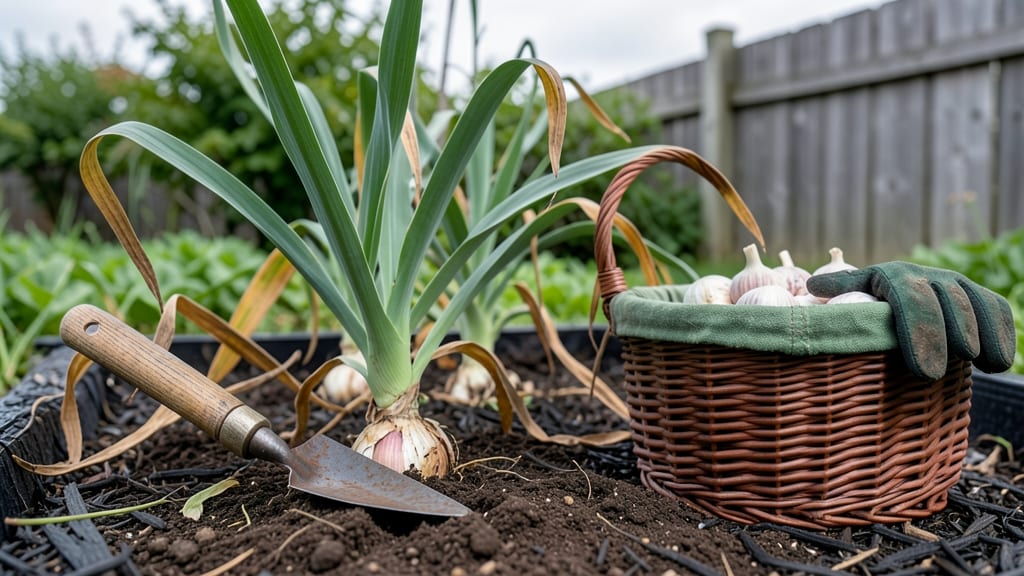
Harvesting garlic in Georgia at the right time means the difference between plump, flavorful bulbs and shriveled disappointments — and the key is watching for late April’s leaf browning cues.
Georgia’s warm climate and rich soil make it a garlic grower’s paradise—but timing your harvest wrong can mean shrunken bulbs or wasted effort. The secret to harvesting garlic at its peak lies in a simple soil test and understanding your variety’s needs.
Most Georgia gardeners wait until the bottom third of leaves turn brown and papery, but that’s not the whole story. Hardneck varieties like ‘Music’ often mature earlier than softnecks, and a late spring heatwave can speed things up.
I’ll show you how to check bulb size with just your fingers and when to pull before the rain sets in.
Once you’ve mastered the timing, curing and storing your garlic properly keeps it fresh through summer. From braiding to mesh bags, I’ll cover the best methods for Georgia’s humidity so your harvest lasts as long as it tastes amazing.

How to perform the Georgia garlic soil loosening test for perfect harvest timing
Georgia’s garlic harvest success starts with mastering the soil loosening test, a simple but powerful method to determine when your bulbs are ready. Unlike cooler climates, Georgia’s Zone 7b-8b warmth accelerates growth, so timing is critical.
This test helps you avoid underripe garlic (small, pithy bulbs) or overripe garlic (shriveled, weak flavor). I’ve used this method for years in my Piedmont garden, and it’s saved me from wasted crops every time.
The soil loosening test, also called the squeeze test, works by checking bulb firmness through the soil. It’s especially useful for hardneck varieties (like ‘Music’) and softneck varieties (like ‘Silverskin’), which mature at slightly different times.
Start testing in late April—that’s when Georgia’s spring warmth triggers final bulb development. If you wait too long, bulbs may split or rot in Georgia’s humid summers.
Here’s how to perform the test step-by-step:
- 1 Wait for leaf signals: Begin testing when the lower 1/3 of leaves turn straw-colored (not fully brown). For hardnecks, this happens around late April; softnecks may need 1-2 weeks longer.
- 2 Gently loosen soil: Use a hand trowel to expose 1-2 inches of soil around a plant. Avoid damaging roots—just enough to see the bulb base.
- 3 Perform the squeeze: Gently squeeze the bulb through the soil. If it feels firm and solid (like a baseball), it’s ready. If it’s soft or mushy, wait 3-5 days and retest.
- 4 Check skin tightness: Peel back the outer papery skin. If it’s tight and dry, harvest immediately. Loose skin means underripe bulbs—wait longer.
- 5 Harvest within 24 hours: Once bulbs pass the test, dig carefully with a fork to avoid cuts. Shake off excess soil and cure immediately in a shady, dry spot (like a garage) for 2-4 weeks.
Timing varies by Georgia region. In the coastal plain (Zone 8a), bulbs may mature 2 weeks earlier than in the mountains (Zone 7a). Hardneck varieties (like ‘Creole’) often test ready by mid-April, while softnecks (like ‘Artichoke’) may need until late May.
I’ve found that heat waves can accelerate maturity—always prioritize the squeeze test over calendar dates.
One common mistake is confusing leaf browning with bulb readiness. While lower leaves turning brown is a cue, upper leaves should stay green and stiff. If all leaves brown, you’ve missed the window—bulbs may split or rot.
In my 2022 harvest, I lost half my ‘Music’ garlic by waiting too long in a humid May.
For softneck varieties, the neck (stem) drying is another key sign. When it turns brown and papery, bulbs are nearly ready. Hardnecks, however, rely more on bulb firmness since their necks dry later.
Pro tip: Test a few plants weekly—harvest timing can vary by 10-14 days even in the same bed.
After harvesting, curing garlic is just as critical as timing. In Georgia’s humid climate, bulbs cure faster (7-10 days) than in drier areas. Bundle stems in small groups and hang in a well-ventilated spot with 60-70°F temperatures.
Avoid direct sunlight—it causes skin darkening and flavor loss. Once cured, store in a cool, dark place (like a root cellar) for up to 6 months.
Remember, the soil loosening test is your best tool for Georgia garlic. It accounts for soil moisture, temperature swings, and variety differences—all factors that throw off calendar-based harvesting. With this method, you’ll consistently pull plump, flavorful bulbs that store beautifully for winter cooking.
Georgia-specific garlic harvest calendar: month-by-month breakdown by variety
Georgia’s three distinct growing regions—coastal plains, Piedmont, and mountains—each demand different timing for garlic harvests. Coastal areas like Savannah typically mature garlic 2-3 weeks earlier than the Piedmont, while mountain regions like Blairsville may see delays due to cooler springs.
Understanding these regional differences helps you avoid harvesting too early or too late, which can ruin your bulbs.
Most Georgia gardeners rely on leaf browning as their primary cue, but heatwaves in April can accelerate maturity, while excessive rain may delay it. For example, ‘Music’ garlic—a popular hardneck variety—often ripens in early May in the Piedmont but may be ready by late April in coastal areas.
Meanwhile, ‘Silverskin’ varieties like ‘Creole’ tend to mature 3-4 weeks later than hardnecks.
| Region | Variety | Harvest Window | Key Cues | Notes |
|---|---|---|---|---|
| Coastal Plains | ‘Music’ (Hardneck) | Late April | Lower 1/3 leaves brown | Heatwave risk—check bulbs early |
| Piedmont | ‘Music’ (Hardneck) | Early May | 50% leaves brown | Rain delays harvest by 1-2 weeks |
| Mountains | ‘Music’ (Hardneck) | Mid-May | 75% leaves brown | Cooler temps slow maturity |
| Coastal Plains | ‘Creole’ (Silverskin) | Late May | All leaves dry | Longer curing time needed |
| Piedmont | ‘Silverskin’ | Early June | Neck shriveled | Store in mesh bags |
Early-season varieties like ‘Music’ are ideal for gardeners in coastal Georgia who want to harvest before the heat of June. These hardnecks mature quickly but require well-draining soil to prevent rot.
If you’re growing ‘Creole’ or other silverskins, plan for a June harvest, as these varieties store longer but need extra curing time in Georgia’s humidity.
Heatwaves in April can trick gardeners into harvesting too early. Always perform the soil squeeze test: dig down 2 inches and gently squeeze a bulb. If it feels firm and the skin is tight, it’s ready.
If it’s soft or loose, wait another week. Rainy springs may delay harvest by 1-2 weeks, so monitor your garlic closely during wet periods.
Once harvested, cure your garlic in a dry, shaded spot with good airflow for 2-4 weeks. Coastal areas can cure faster due to lower humidity, while Piedmont and mountain regions may require longer curing. Store cured bulbs in mesh bags or braids to prevent mold, especially in Georgia’s damp summers.
Timing your harvest correctly ensures your garlic stays plump and flavorful all year. By tailoring your approach to your region and variety, you’ll avoid the common pitfalls of harvesting too early or too late—making every clove worth the effort. 🌱