
How To
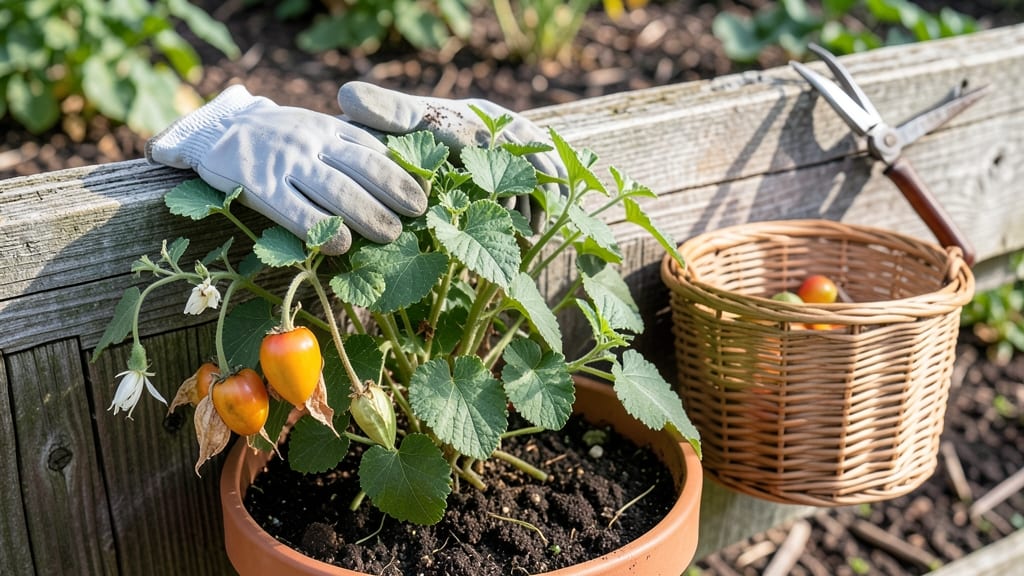
Harvesting ground cherries at the right time means the difference between tart, mealy fruit and burstingly sweet, juicy treats that taste like sunshine.
Ground cherries may look like tiny tomatoes, but knowing exactly when to harvest them transforms your harvest from bland to burstingly sweet—here’s how to spot the perfect moment.
Look for the golden-yellow color shift 🍒 and a slightly dry papery husk, but don’t wait too long—they’ll turn mealy fast. The stem twist test is your secret weapon: if it detaches easily, you’ve missed the window.
In this guide, I’ll walk you through color cues, size checks, and the best time of day to pick—plus how to handle them after harvest so they stay fresh and flavorful.

How to identify the perfect ground cherry harvest time using color & size
Ground cherries (Physalis spp.) ripen faster than you might expect, so timing your harvest is everything. The key lies in two simple cues: color and size.
When the papery husk turns from green to golden-yellow, that’s your first sign—ignore any berries still hiding under green husks, even if they feel firm.
Size matters too: aim for 1–1.5 inches in diameter. Smaller berries taste tart, while oversized ones often turn mealy. Varieties like ‘Golden Berry’ ripen to a bright gold, while ‘Pineapple’ ground cherries develop a warm orange hue. Never harvest based on size alone—always check the color first!
The papery husk is your best friend. When it dries and splits open just slightly, the berry inside is at peak ripeness. If the husk remains fully closed and green, the fruit needs more time. Overripe ground cherries shrivel inside their husks, losing flavor fast.
Climate plays a huge role in ripening speed. In hot, dry climates, ground cherries mature in 60–75 days, while cooler regions may need up to 90 days. Watch for daylight changes too—longer summer days speed up ripening, so check plants every 2–3 days during peak season.
Here’s a quick visual guide to help you spot the perfect harvest window:
| Stage | Husk Color | Berry Color | Size | Texture | Action |
|---|---|---|---|---|---|
| Unripe | Green | Green | <1 inch | Firm | Wait 3–5 days |
| Ripening | Yellowing | Golden | 1–1.5 inches | Firm | Harvest now! |
| Overripe | Brown/dry | Orange-red | >1.5 inches | Mealy | Discard |
Morning is the best time to harvest—berries are cooler and firmer, reducing bruising. Use clean pruning shears or your fingers to gently twist the berry free from the stem. Avoid pulling too hard, or you might damage the plant’s delicate branches.
If you’re in a shorter growing season, prioritize harvesting the largest, most colorful berries first. Leave a few on the plant for birds or wildlife, but don’t let more than 20% of the fruit overripen, or the entire plant may suffer.
Ground cherries are prolific, so a little give-and-take keeps everyone happy!
Pro tip: Place a white sheet under the plant before harvesting. The berries turn a stunning golden hue when they fall, making them look like edible jewels. Snap a photo—your harvest will look even more impressive!
Once picked, ground cherries stay fresh for 3–5 days at room temperature. For longer storage, refrigerate them in a paper bag (the ethylene gas helps them ripen further if needed). Freeze extras by spreading them on a tray first—they’ll keep their shape for baking or cooking later.
The stem twist test: a pro gardener’s trick to avoid overripe ground cherries
Ground cherries are delicate fruits that go from perfect to mealy in just 24 hours. The stem twist test is my go-to method to avoid that window of overripeness. Unlike tomatoes, ground cherries don’t soften noticeably when ripe—they need this gentle test to confirm readiness.
This trick works because the fruit’s cell structure weakens as it ripens, but only to a point. If you twist too early, the berry stays attached. Too late, and it detaches with no resistance—signaling it’s past its prime. Let me show you how to do it right.
⚠️ callout warning ⚠️
If the papery husk splits open before you harvest, the fruit inside is already mealy. Never wait for the husk to fully open—this means 3-5 days of missed harvest time.
🔹 Harvest when: Husks are dry and slightly cracked but still attached.
🔹 Avoid when: Husks are fully open or berries detach with no resistance.
Start by gently grasping the fruit’s stem between your thumb and forefinger. Apply a light twisting motion—think of unscrewing a jar lid, but with zero force. If the berry resists slightly but detaches with a clean snap, it’s ready to eat.
What if the berry won’t budge? That means it’s underripe. Leave it on the plant for 2-3 more days and retest. If it detaches too easily, you’ve missed the boat—it’s now overripe and will taste bland or grainy.
Pro tip: Perform this test in the morning when fruits are cool. Heat during the day can make them detach prematurely, giving a false "ripe" signal. Always harvest into a soft container to avoid bruising.
Common mistakes include twisting too hard or harvesting after rain. Wet stems slip, making the test unreliable. If you’re unsure, check the color first—golden-yellow with a dry husk is your best backup cue.