
How To
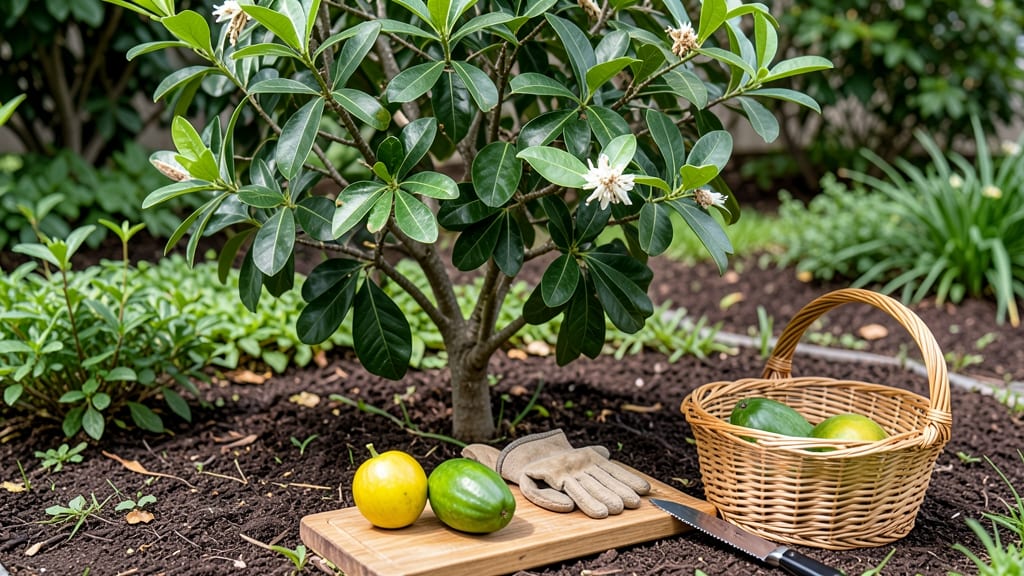
Harvesting guava at the right time means the difference between a sweet, fragrant fruit and one that’s bland or overly seedy — and the key is knowing when to harvest guava before it overripens.
Picture this: you’ve waited months for your guava tree 🥝 to bear fruit, and now you’re staring at a cluster of colorful fruit wondering, Is it ready? The answer isn’t just about color—it’s about texture, scent, and even the time of day you pick.
One wrong move, and you’ll end up with fruit that’s either too hard or mushy.
In tropical and subtropical regions like Florida or California, guavas typically ripen between 6 and 8 months after planting, but the exact moment varies by variety and climate. Some turn pink, others yellow, and a few stay green with a waxy sheen—so how do you know for sure?
Below, I’ll walk you through the visual cues, the seed test, and the best time of day to harvest for peak flavor.
You’ll also learn how to avoid common mistakes, like picking too early or missing the window entirely, and how to store your harvest so it stays fresh longer. Let’s get started.

How to identify guava ripeness through skin color changes
Guava fruit ripeness is one of the easiest ways to determine when to harvest guava, and the skin color changes are your best indicator. Unlike some fruits that ripen off the tree, guavas must be picked at peak ripeness—they won’t improve after harvesting.
The transition from green to yellow, pink, or red signals maturity, but the exact shade depends on your guava variety and climate. For example, tropical varieties like 'White' guavas turn creamy yellow, while subtropical types such as 'Pink' guavas develop a rosy blush.
Sunlight exposure plays a critical role in ripening speed. Guavas growing in full sun (6+ hours daily) will ripen faster, often developing their final color in 4-6 weeks after flowering.
In cooler subtropical zones (like USDA Zone 9b), fruit may take longer to color, sometimes requiring 8-10 weeks due to lower temperatures. If your guava tree is in partial shade, expect a slower color transition and potentially less vibrant hues.
Here’s how to interpret the color progression for common guava varieties:
| Variety | Unripe Color | Ripe Color | Harvest Ready When | Notes |
|---|---|---|---|---|
| White Guava | Bright green | Creamy yellow | Fully yellow, slight softness | Sweet, mild flavor; tropical zones |
| Pink Guava | Green with pink blush | Deep pink/red | Uniform pink, fragrant | Tart-sweet; subtropical zones |
| Strawberry Guava | Green with red streaks | Red-orange | Bright red, soft seed | Small, berry-like; fast ripening |
| Apple Guava | Green-yellow | Yellow with red blush | Blush covers 70%+ of skin | Crisp texture; cooler climates |
Regional variations can drastically change how quickly guavas ripen. In Florida’s tropical climate (Zone 10-11), guavas may ripen in as little as 6-8 weeks after flowering, while in California’s subtropical Zone 9b, the process can stretch to 10-12 weeks due to cooler nights.
Pay attention to your local last frost date—if you’re in a cooler zone, plant heat-loving varieties like 'Ruby Supreme' to ensure timely ripening.
One common mistake gardeners make is waiting for guavas to turn fully ripe on the tree, only to find they’ve become overripe and mushy. If you notice dark spots or wrinkled skin, it’s past the ideal harvest window.
Instead, pick guavas when they’re 80-90% colored and slightly soft to the touch. This gives you a 2-3 day window to enjoy them at peak flavor before they spoil.
Pro tip: Use a color chart as a reference if you’re unsure. Take photos of your guavas at different stages of ripening to compare against the variety-specific colors listed above. This visual guide will help you spot the subtle shifts that signal harvest time.
For example, a 'White' guava should have no green patches when ripe, while a 'Pink' guava’s blush should cover the entire fruit.
Sunlight exposure also affects the intensity of color. Guavas grown in direct sunlight develop deeper, more vibrant hues compared to those in partial shade. If your tree is in a shady spot, the fruit may ripen unevenly, with some areas staying green longer.
In this case, harvest when the majority of the fruit shows the correct color, even if a few spots lag behind.
Finally, don’t rely solely on color—combine it with the seed softness test (which we’ll cover in the next section) for the most accurate ripeness assessment. A perfectly ripe guava will have deep color, slight softness, and a sweet aroma near the stem. When these cues align, it’s time to pick!
The seed softness test: how to avoid overripe guavas
One of the trickiest parts of harvesting guavas is knowing when they’re perfectly ripe—not too firm, but not mushy either. The seed softness test is my go-to method to avoid overripe fruit that turns bland or mealy.
This simple pressure test reveals whether your guava is ready to eat or still needs time on the tree.
Guava seeds play a surprising role in ripeness. When ripe, the seeds should feel firm but slightly yielding when pressed gently between your fingers. Overripe guavas often have soft, mushy seeds, indicating the fruit’s sugars have broken down too much.
This test helps you catch guavas at their peak sweetness before they spoil.
Here’s how to perform the test: Hold the guava gently and press your thumb against the fruit’s center near the stem. A ripe guava will give slightly under pressure, like a ripe avocado.
If the flesh feels too soft or squishy, it’s overripe. If it’s rock-hard, it’s not ready yet.
⚠️ WARNING: Overripe Guavas Are a Waste of Space Overripe guavas lose their vibrant flavor and develop a mealy texture that’s unappetizing. The seed softness test prevents this by helping you harvest at the perfect moment—when the fruit is firm enough to store but sweet enough to enjoy fresh.
Even a 1-day delay can turn a perfect guava into a mushy disappointment.
Why does seed firmness matter? The seeds act as a barometer for ripeness. As the fruit matures, enzymes break down its structure, softening both the flesh and seeds.
A ripe guava’s seeds are plump and slightly resilient, while overripe seeds collapse under pressure. This is your cue to harvest immediately.
For best results, combine the seed test with other ripeness signs, like skin color changes and a sweet aroma. A guava that’s yellow, pink, or red with a slight give when pressed is likely ready.
But if the seeds feel mushy, it’s time to toss it—even if the outside looks perfect.
Pro tip: Harvest guavas in the morning when temperatures are cooler. This gives you the best chance to catch them at peak ripeness before the heat of the day accelerates spoilage. Store ripe guavas at room temperature for 2-3 days or refrigerate to extend freshness.