
Vegetables
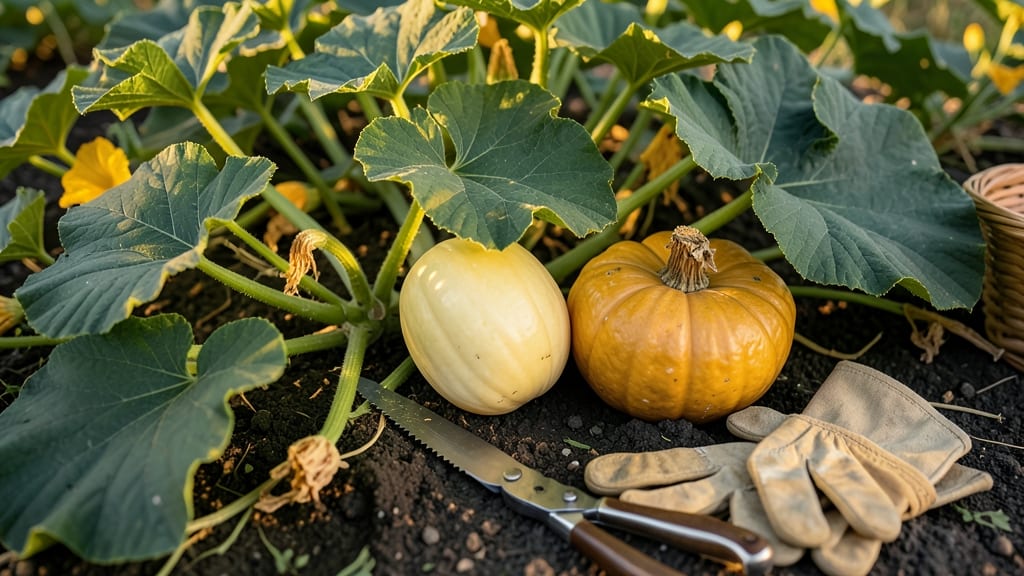
Harvesting honeynut squash 🎃 at the right time ensures sweet, nutty flavor and fully ripe seeds—wait too long, and you risk tough flesh or wasted effort.
Ever cut into a squash only to find it bland or mealy? That’s what happens when you harvest too early or ignore the subtle cues your plant gives.
The difference between a perfectly sweet honeynut and one that’s past its prime comes down to timing—and I’ll show you exactly how to nail it.
Look for three key signals: the rind’s color shift, the stem’s drying, and the squash’s final size. These visual clues, paired with a simple nail test, will tell you when to pick for both flavor and seed ripeness.
Below, I break down the exact steps, regional frost considerations, and how to avoid common mistakes that turn a great harvest into a disappointment.
3 Visual & physical signs your honeynut squash is harvest-ready
Honeynut squash is a winter squash variety prized for its sweet, nutty flavor and versatility in the kitchen. Unlike some squash that can be harvested early, honeynuts must reach full maturity for peak flavor and texture.
Missing these visual and physical cues can mean tough flesh or wasted seeds—so let's dive into the exact indicators to watch for.
First, timing matters. Most honeynut squash varieties take 90 days from planting to harvest, typically landing in late September or October in most growing zones.
But don't rely solely on the calendar—your squash will tell you exactly when it's ready through three key changes you can spot with a quick inspection.
Here's what to look for in the coming weeks as your honeynuts mature:
Pro tip: Check for seed maturity by cutting into the squash (if you're unsure). The seeds should be plump and fully formed, not shriveled or underdeveloped. If the seeds look good but the flesh is still slightly firm, give it another week—sweetness peaks after full maturity.
Harvesting too early? You'll end up with tough, bland flesh that lacks the signature sweetness. Waiting too long risks overripeness, which can make the skin tough and reduce storage life. The good news? Honeynuts store beautifully for 2-3 months in a cool, dry place once properly harvested.
For best results, use a clean, sharp knife or pruners to cut the squash, leaving 1-2 inches of stem attached. This helps prevent rot during storage. Once harvested, cure your squash by placing it in a warm (80-85°F), dry spot for 7-10 days to develop full flavor.
Now that you know what to watch for, keep an eye on your honeynuts in the coming weeks. The moment all three signs align is your perfect harvest window—when sweetness and texture are at their peak.
🎃
How to test honeynut squash sweetness before harvesting (no guessing!)
Even when your honeynut squash looks ripe, the only way to guarantee sweetness is testing its flesh. Unlike butternut squash, honeynuts develop a distinct nutty flavor when fully mature—but you can’t taste-test every squash. Instead, use these three foolproof methods to confirm ripeness without cutting into them.
Start with the nail test, the simplest way to check rind hardness. Press your fingernail into the squash’s skin—if it doesn’t puncture easily, the flesh is ready.
This works best on pale tan or beige squash, as green ones are always underripe. Pair this with the thump test for extra confidence.
⚠️ CALL OUT WARNING ⚠️
⚠️ Harvest Too Late = Bitter Seeds!
Overripe honeynut squash develops bitter-tasting seeds and mealy flesh. If your squash has a shriveled stem but still feels soft when thumped, it’s past prime. For seed-saving, harvest when the rind is hard but the stem is just starting to dry—this balances flavor and seed quality.
The thump test reveals internal maturity by sound. Hold the squash and give it a firm tap with your knuckles—ripe squash produces a deep, hollow thud, while underripe ones sound dull. Combine this with the nail test for 90% accuracy in predicting sweetness. For absolute certainty, though, you’ll need to sample.
When in doubt, cut a small slice from the blossom end (the opposite side of the stem) to test flavor. Fully ripe honeynuts have dense, sweet flesh with a golden hue, while underripe squash tastes bland and watery. Save this method for your last 2-3 squash to avoid wasting harvests.
Regional frost dates affect timing—if your first frost is near, prioritize the nail and thump tests over tasting. In USDA Zone 6a, aim to harvest by mid-October, even if squash aren’t fully sweet. Store them in a cool, dry place (50–55°F) to let flavors develop over 1–2 weeks.
Now you’ll never guess again—just follow these tests to pick honeynuts at their peak sweetness, every time. The key is acting when the rind is hard, the thump is hollow, and the stem is just beginning to dry. Happy harvesting! 🎃