
How To
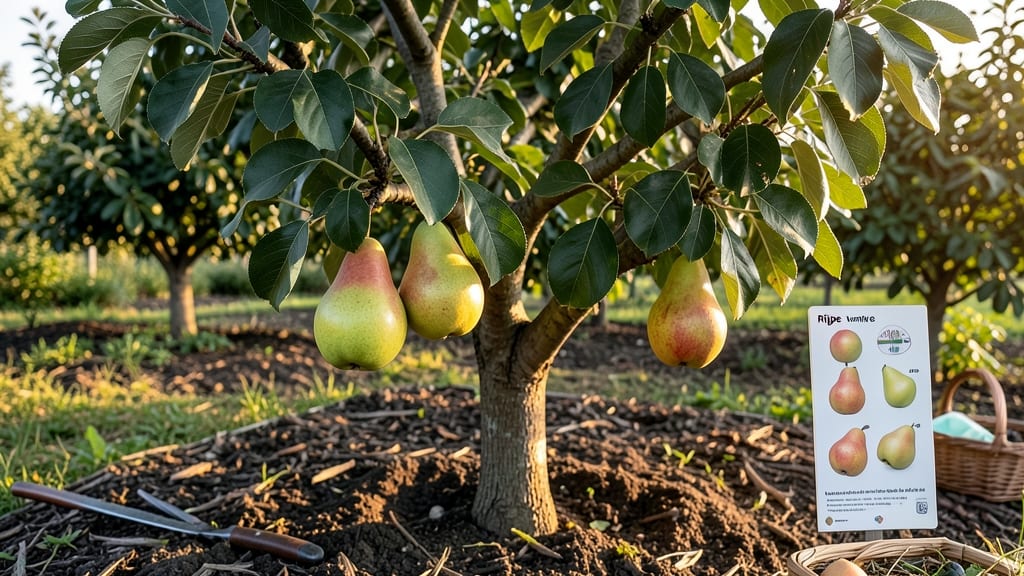
Harvesting Kieffer pears at the right time ensures sweetness and flavor, and knowing when to harvest kieffer pears is the key to avoiding sour or overripe fruit.
Picture this: you’ve spent months tending to your Kieffer pear tree 🍐, and now the fruit is hanging heavy on the branches. But how do you know if they’re ready? One wrong move, and you’ll either end up with tart, underripe pears or mushy ones that spoil too quickly.
The secret lies in three simple tactile tests—color, firmness, and the gentle twist—that take just seconds to master.
Timing isn’t just about the calendar; it’s about the tree’s signals. In Zone 6, where these pears thrive, late summer to early fall is prime harvest season, but regional weather can shift those windows.
Below, I’ll walk you through the exact cues to look for, plus how to store your harvest so it stays fresh and delicious for weeks.
Ready to turn your orchard into a sweet harvest? You’ll learn how to spot the perfect pear, adjust for your local climate, and keep them tasting fresh long after they’re picked.

3 Tactile tests to determine Kieffer pear ripeness
Harvesting Kieffer pears at the right moment transforms tart underripe fruit into sweet, juicy treasures. Unlike store-bought pears, these homegrown gems ripen on the tree, and their readiness is signaled through three key physical cues.
Mastering these tests ensures you never miss peak flavor or risk spoilage. The best part? You don’t need fancy tools—just your hands and eyes.
First, let’s address the biggest mistake gardeners make: relying solely on color. While Kieffer pears do develop a yellow-golden hue when ripe, some varieties may never fully turn color.
That’s why tactile tests—touching, twisting, and even peeking inside—are your secret weapons. These methods work regardless of your USDA zone or local climate variations.
Ready to become a Kieffer pear harvest pro? Here’s how to use these three simple tests to nail the perfect ripeness every time:
3 Key Tests for Perfect Ripeness
-
1. Stem Twist Test
Gently grasp the pear near the stem and twist. If it detaches easily with a slight pop, it’s ready. Resistance means it’s underripe.
-
2. Skin Texture Check
Ripe pears feel slightly soft near the stem but firm elsewhere. Avoid pears that are mushy or leathery.
-
3. Seed Color Inspection
Cut one open: ripe seeds should be brown and fully formed. Pale or shriveled seeds mean the pear needs more time.
🍐 Pro Tip: Test 2-3 pears per cluster—some may ripen faster than others!
Let’s dive deeper into each test. The stem twist test is my go-to because it’s foolproof. When a Kieffer pear is ready, the stem separates cleanly with just a gentle twist—no force needed. This happens because the fruit’s natural sugars break down the cell walls at the stem attachment.
If you feel resistance, wait 2-3 days and test again. Overripe pears will twist off too easily, often leaving the stem attached to the fruit.
The skin texture check reveals what’s happening inside. Ripe Kieffer pears develop a slightly waxy sheen and give just a tiny bit when pressed near the stem. Think of it like testing a ripe avocado—soft enough to yield, but not mushy.
Avoid pears that feel hard as a rock or squishy like overcooked pasta. These extremes signal underripe or spoiled fruit, respectively.
Here’s where most gardeners overlook a crucial detail: seed color. Cutting into one pear to check the seeds might seem extreme, but it’s worth it for a bountiful harvest. Fully ripe Kieffer pears have brown, plump seeds that look almost like tiny coffee beans.
If the seeds are pale, shriveled, or still green, the pear needs more time on the tree. This test is especially useful for late-season harvests when cooler temperatures slow ripening.
Timing matters beyond just these tests. In Zone 6, where Kieffer pears thrive, late August to early September is prime harvest time. However, hotter zones like Zone 8 or 9 may see ripe pears as early as July, while cooler Zone 5 areas might extend harvest into October.
Always adjust your tactile tests based on local weather—drought stress or sudden cold snaps can delay ripening.
One common mistake? Harvesting all pears at once. Kieffer pears on a single tree can ripen over 2-3 weeks, so check clusters every few days. Use a small harvest basket to gently collect ripe fruit, leaving underripe pears to mature.
This staggered approach ensures you enjoy sweet pears for weeks, not just a single day. Plus, it reduces waste by avoiding overripe fruit.
After harvesting, store your pears in a cool, dark place (like a basement or garage) for short-term use. For long-term storage, refrigerate them in a single layer to prevent bruising. But remember: Kieffer pears don’t ripen well after picking, so always harvest when fully ripe.
If you must store them, aim to use them within 1-2 weeks for the best flavor and texture.
Now that you’ve mastered the tactile tests, your Kieffer pear tree will thank you with sweet, flavorful fruit all season long. Happy harvesting—and may your orchard be forever bountiful! 🍐
Best harvest times by region and climate conditions
Timing your Kieffer pear harvest isn't just about the calendar—it's about understanding how your local climate influences ripening. Temperature swings, sunlight hours, and rainfall patterns can shift the ideal harvest window by weeks.
In USDA Zone 6, where these pears thrive, you'll typically see prime harvest conditions from late August through early September.
But move to Zone 8 or 9 with warmer winters, and you might find ripe pears as early as July, while Zone 5 gardeners may need to wait until October.
Climate plays a crucial role in ripening speed. Hotter regions with longer growing seasons produce earlier harvests, while cooler areas with shorter summers delay ripening. Even within the same zone, microclimates matter—sheltered spots ripen faster than exposed areas.
Pay attention to your tree's signals rather than relying solely on general timelines. The tactile tests we covered earlier become even more critical when climate conditions vary.
| USDA Zone | Ideal Harvest Month | Key Climate Factors | Adjustments Needed |
|---|---|---|---|
| 5 | Late September-October | Cooler summers, shorter growing season | Wait for full color change |
| 6 | Late August-Early September | Moderate temperatures, reliable rainfall | Standard tactile tests apply |
| 7 | Mid-August-Late August | Hot summers, possible drought | Check for drought stress |
| 8-9 | July-August | Long growing season, warm winters | May see earlier ripening |
🌡️ Note: Early frosts can ruin late-season harvests—always monitor weather forecasts
Rainfall patterns significantly impact harvest timing. Too much rain before harvest can dilute sugar content, while drought stress may cause pears to ripen unevenly. In dry climates, you might see pears ripening faster due to concentrated sugars, while wet seasons can delay ripening.
Always adjust your harvesting schedule based on recent weather patterns—don't just follow the calendar.
Sunlight exposure creates another critical variable. Trees in full sun locations will produce riper pears earlier than those in partial shade. If your tree is in a shaded spot, expect harvest times to shift later by 1-2 weeks.
Pay attention to how much direct sunlight your tree receives throughout the day, especially in the afternoon hours when temperatures peak.
For gardeners in transition zones (like Zones 6-7), early frosts pose a real threat to late-season harvests.
Always monitor your local frost date forecasts and have a plan to harvest any remaining pears before temperatures drop below 32°F. If frost threatens, prioritize harvesting pears that show the most ripening signs first, as they won't improve after picking.
Remember that climate conditions affect not just timing but also flavor development. Pears ripened in ideal conditions (warm days, cool nights) develop the most complex sweetness profiles. Use your tactile tests daily during peak harvest season to catch pears at their sweetest.
With this regional awareness, you'll transform your Kieffer pear harvest from guesswork to a precise science—ensuring sweet, flavorful fruit every season. 🍐