
How To
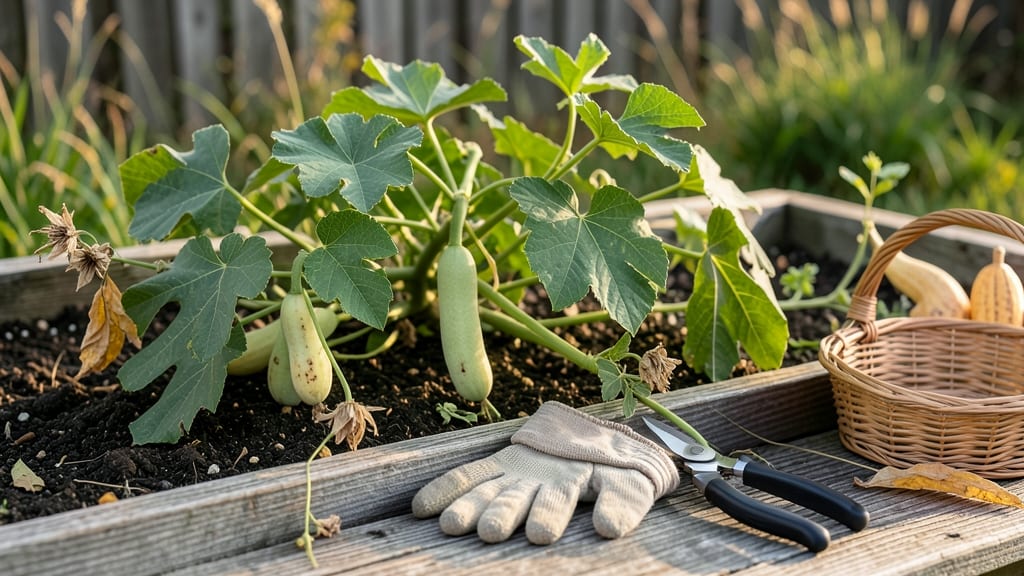
Harvesting loofah at the right time turns a tough gourd into a luxurious sponge—and missing it means wasting your garden space.
Picture this: you’ve spent months nurturing your 🎋 loofah vines, only to pick a gourd that’s either too hard or still mushy. The difference between a perfect harvest and a flop comes down to knowing exactly when the rind turns woody, the seeds rattle, and the vines yellow.
These three tactile tests are all you need to avoid the common mistakes.
In Zone 6a, your loofahs typically reach harvest readiness between 90 and 120 days after planting—usually in late summer or early fall. But timing isn’t just about days; it’s about the plant’s signals.
A loofah ready for harvest will have a dry, brittle stem and a rind that sounds hollow when tapped. Ignore these cues, and you’ll end up with a gourd that’s either too fibrous or still raw.
Below, I’ll walk you through the step-by-step checks to determine the perfect moment—plus how to cure your harvest for that cloud-soft texture you’ve been dreaming of.

3 Tactile tests to determine loofah harvest readiness
Harvesting loofahs at the right time transforms them from tough gourds into those ultra-plush sponges we all love. The key lies in three simple physical tests that reveal whether your loofah is ready for harvest or still needs time to mature.
These tactile checks eliminate guesswork and ensure you get the softest, most usable loofahs possible.
Loofahs typically reach harvest readiness between 90-120 days after planting, but environmental factors like temperature and rainfall can shift this window. Instead of relying solely on days, use these hands-on tests to confirm when your loofahs are perfect for picking.
The earlier you harvest, the tougher the sponge will be—wait too long, and the fibers won't develop properly.
Grab a loofah gourd from your vine and perform these three tests in sequence. If all three checks pass, it's time to harvest! If not, give it another week and test again.
This method works for both Luffa aegyptiaca and Luffa cylindrica varieties, though the latter may require slightly longer maturation.
- 1 The Thump Test: Hold the loofah and give it a firm knock with your knuckles. A ready loofah will produce a deep, hollow sound, similar to tapping a watermelon. If it sounds dull or mushy, it needs more time on the vine.
- 2 The Peel Test: Gently pry open a small section of the loofah's rind with your thumbnail. If the outer skin peels away easily and reveals a dry, fibrous interior, it's harvest-ready. A stubborn rind or moist fibers mean it's not quite time.
- 3 The Stem Twist: Grasp the loofah's stem end firmly and twist it gently. If the stem snaps cleanly (without tearing the loofah itself), the gourd is fully mature. A stubborn stem or one that pulls away with the loofah indicates it's not ready yet.
Timing your harvest correctly also depends on your climate zone. In warmer regions like USDA Zone 9-10, loofahs may mature faster, while cooler zones like Zone 6a could extend the growing season.
If frost threatens before your loofahs pass these tests, harvest anyway—they'll still dry, though the texture may be slightly firmer.
Once you've confirmed harvest readiness, use a sharp pruning shear to cut the loofah from the vine, leaving about 2 inches of stem attached. This stem attachment helps during the drying process.
Avoid pulling loofahs off the vine, as this can damage the plant and reduce next year's yield. After harvesting, rinse off any dirt and prepare for the curing process.
Pro tip: Harvest on a dry, sunny day to minimize mold risk during curing. Lay the loofahs in a single layer on a mesh screen or trellis, ensuring good airflow around them.
Avoid stacking or covering them, as this can trap moisture and lead to spoilage. With proper curing, your loofahs will develop that signature luxuriously soft texture perfect for baths and exfoliants.
If you're growing loofahs for the first time, don't be surprised if only a few gourds pass these tests. Even experienced gardeners often see 50-70% success rates in their first harvest.
The more you grow, the more consistent your results will become. Keep track of which tests your loofahs pass first—this can help you predict future harvests more accurately.
Remember, the ideal harvest window is when all three tests are positive, but don't stress if you miss it by a few days. Loofahs are forgiving, and even slightly underripe gourds can still yield usable sponges with proper drying.
The key is to act when you see the signs rather than waiting too long.
Now that you've mastered these tactile tests, you're ready to transform your garden into a loofah factory! With the right timing, you'll enjoy plush, homegrown sponges that outshine store-bought versions. Happy harvesting! 🌿
Loofah harvest timeline: days to maturity by variety
Not all loofah varieties mature at the same pace, and understanding their unique timelines helps you avoid harvesting too early or too late. Luffa aegyptiaca (Egyptian loofah) typically matures faster than Luffa cylindrica (Chinese loofah), but both need the right conditions to reach their full potential.
In Zone 6a, expect harvests between 90 and 120 days, but heatwaves or cool snaps can shift this window by weeks.
For example, Luffa aegyptiaca often reaches harvest readiness in 85-100 days, while Luffa cylindrica may take 100-120 days. These differences matter because harvesting too soon means a gourd that’s too soft and fibrous, while waiting too long can lead to cracking or pest damage.
Climate plays a huge role—warmer regions may see earlier harvests, while cooler areas might need extended growing seasons.
| Variety | Days to Maturity | Harvest Window (Zone 6a) | Key Harvest Cues |
|---|---|---|---|
| Luffa aegyptiaca | 85-100 days | Late August - Early September | Rind turns hard, vines yellow |
| Luffa cylindrica | 100-120 days | Mid-September - October | Seeds rattle, stem dries |
| Hybrid Varieties | 90-110 days | Late August - Late September | Vines die back completely |
One common mistake is assuming all loofahs are ready at the same time. Even within a single vine, some gourds may mature faster than others. Always check individual gourds for hard rinds and dry stems—these are your best indicators.
If you’re in a shorter growing season, opt for Luffa aegyptiaca, as it matures quicker and still produces high-quality sponges.
Climate adjustments are crucial, too. In hotter climates, loofahs may mature faster, so monitor them weekly starting at 80 days. Conversely, in cooler regions, extend your growing season with row covers or choose earlier-maturing varieties.
A frost warning means it’s time to harvest immediately, even if the gourds aren’t fully mature.
Another pitfall is overwatering as harvest nears. Reduce watering 2 weeks before the expected harvest to toughen the rind and prevent cracking. This step is critical for achieving that cloud-like texture you’ll love in your bath sponges.
Once harvested, let them cure in a dry, shaded area for 2-4 weeks to complete the process.
By aligning your harvest with these variety-specific timelines and climate tweaks, you’ll transform your garden into a loofah spa—ready to turn tough gourds into luxurious sponges every season. 🎋