
How To
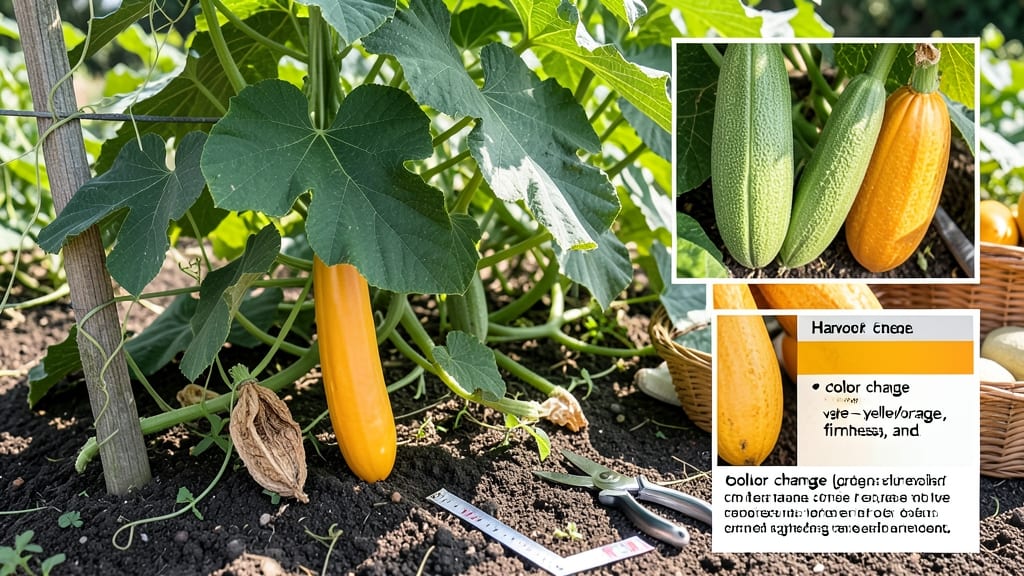
Harvesting luffa gourds at the right time means the difference between a silky-smooth sponge and a tough, unusable mess—here’s how to nail the perfect harvest every time.
Picture this: you’ve waited months for your 🍆 luffa to mature, only to pick it too early and end up with a mushy, unusable gourd. Or worse, you leave it too long, and the vine turns brittle before you can salvage the fiber.
The key is knowing exactly when those gourds are ready to harvest, and it all comes down to three simple touch tests.
In USDA Zone 6a, where spring planting kicks off after the last frost (usually April–May), your luffa gourds will be ready for harvest between late summer and early fall—typically 120–180 days after flowering.
But don’t rely on the calendar alone. Instead, focus on the gourd’s texture, weight, and color to ensure you’re harvesting at peak quality.
Below, I’ll walk you through the three touch tests that guarantee a perfect luffa every time, plus how to adjust for your climate—whether you’re in a warm tropical region or a cooler temperate zone. Ready to turn those gourds into premium sponges?

3 Touch tests to determine when luffa gourds are ready for harvest
Harvesting luffa gourds at the perfect moment transforms them from a useless mess into luxurious, natural sponges. Unlike many vegetables, luffas don’t rely on color alone—your hands are the best tool to judge maturity.
Overripe gourds become woody and brittle, while underripe ones yield mushy, unusable fiber. These three simple touch tests will help you harvest at peak quality every time.
Luffa gourds mature over 120-180 days, but their readiness depends more on physical cues than days on the vine. Many gardeners make the mistake of waiting for full yellowing, only to find the fibers too tough to clean.
The secret lies in texture and resistance—skills you can master with practice. Let’s start with the first test, which is the easiest to spot but often overlooked.
Press your fingertip firmly into the gourd’s skin. If it doesn’t dent and feels slightly leathery, it’s ready. A dent means it’s still too soft—wait 3-5 more days.
Gently squeeze the sides—a mature luffa will resist your grip like a hard-boiled egg. If it collapses or feels squishy, it’s not ready. Overripe gourds become hollow and brittle, ruining the fiber.
Shake the gourd near your ear—ready luffas produce a dull thud or seed rattle inside. A hollow sound means the flesh has fully decomposed, leaving only the fibrous skeleton you want for sponges.
Pro tip: Combine these tests with a color check. Mature luffas shift from bright green to yellow-brown, but don’t trust color alone—some varieties stay green until fully ripe. I’ve seen chartreuse luffas with perfect fiber because they matured under partial shade. Always verify with touch before harvesting.
Regional climate plays a role in timing. In tropical zones (USDA 9-11), luffas mature faster due to longer growing seasons, while cooler climates (USDA 6-8) may need an extra 2-3 weeks for full ripeness.
If your area has early fall frosts, harvest slightly earlier—underripe but firm gourds can finish drying indoors.
One common mistake is harvesting when the vine starts yellowing. While this signals the plant’s end, the gourds may still need 1-2 more weeks to reach ideal texture. I learned this the hard way—my first batch of early-harvested luffas had fibers that shattered when scrubbed.
Now, I wait until the vine is 50% yellowed before testing the gourds.
For maximum fiber quality, avoid harvesting in wet conditions. Moisture speeds up rot, turning your gourds mushy or moldy before they ripen. If rain is forecast, pick slightly early (when firm but not fully hardened) and dry them indoors under a fan.
This trick saved my 2022 crop during a sudden monsoon in August.
Once you’ve mastered these tests, you’ll never second-guess harvest time again. The key is consistency—check your gourds every 3-4 days during peak season (late summer). Over time, you’ll develop a sixth sense for the perfect moment, turning luffa harvesting into a rewarding, tactile experience rather than a guessing game.
Remember, the best luffa sponges come from gourds harvested at peak firmness, not maximum size. Smaller, properly ripened luffas often yield softer fibers than giant overgrown ones. Happy harvesting—and may your sponges always be luxuriously smooth! 🌱
Luffa gourd growth stages: visual and physical signs of maturity
Tracking your luffa gourd growth stages is key to harvesting at the perfect moment. These woody vines go through dramatic changes from flowering to maturity—missing these visual cues means ending up with unusable gourds.
I’ve grown luffa for years, and I can’t stress enough how critical it is to watch for these color shifts and vine behaviors.
Start by monitoring your luffa flowers, which appear 120-150 days after planting. These yellow blossoms signal the beginning of fruit development. After pollination, you’ll notice small green gourds forming—this is when your size benchmarks begin.
Pay close attention to these early stages, as they set the foundation for a successful harvest.
| Growth Stage | Visual Signs | Physical Signs | Harvest Readiness |
|---|---|---|---|
| Flowering | Yellow flowers appear | Vine actively growing | Not ready |
| Early Fruit | Small green gourds (2-4 inches) | Soft, spongy texture | Not ready |
| Maturing | Gourds turn yellow-brown (6-12 inches) | Skin resists pressure, seeds rattle | Ready to harvest |
| Overripe | Dried, brown gourds (12+ inches) | Brittle, hollow-sounding | Too late |
One common mistake I see is waiting too long for luffa gourds to turn completely brown. By then, the fiber quality degrades, and the gourd becomes brittle. Instead, harvest when the skin shifts to a yellow-brown hue and feels woody to the touch.
This usually happens 150-180 days after planting, depending on your climate.
Your vine behavior also signals maturity. When the leaves near the gourds start yellowing and dying back, it’s a clear sign to act.
I’ve found that temperate climates (like mine in Zone 6a) yield harvest-ready luffa in late August to early September, while tropical regions can extend this window until October.
Pro tip: If you’re unsure, perform the fingerpress test. Press your fingernail into the gourd’s skin—if it doesn’t puncture easily, it’s ready. Overripe gourds will feel hollow and papery, and their seeds will rattle loudly when shaken. This is your last chance to salvage usable fiber.
Finally, always harvest on a dry, sunny day to prevent mold. Use a sharp knife or pruning shears to cut the gourds from the vine, leaving a small stem attached. This simple step ensures your luffa sponges dry evenly and retain their smooth texture for years to come. 🌱