
How To
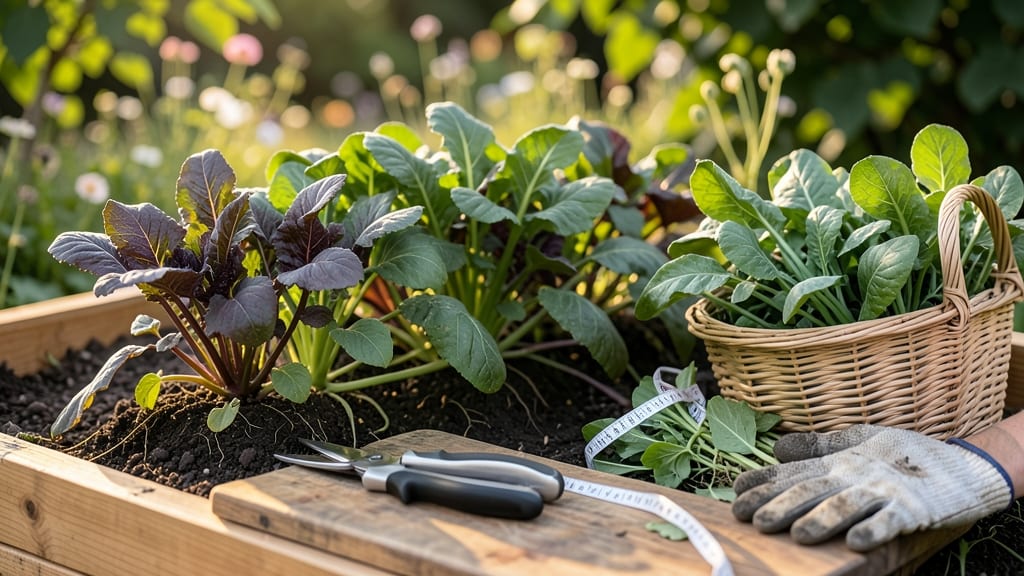
Harvest mustard greens when leaves reach 6-12 inches and show a deep green or purple hue 🌱 — timing this right ensures peak flavor and texture before the plant bolts.
Mustard greens are a cold-hardy, nutrient-packed superfood—but harvesting them too early or too late can ruin their flavor and texture. Timing matters more than you think, especially when relying on visual cues like leaf color and the stem snap test.
In USDA Zone 6a, the best harvest window is April-May or September-October, aligning with the plant’s natural growth cycle. If you wait too long, the leaves turn bitter, and the plant bolts, sending up a flower stalk that makes them inedible.
Below, I’ll show you how to use the stem snap test, recognize the ideal leaf size, and decide whether to harvest all at once or cut-and-come-again for a steady supply.

How to identify the perfect harvest time using leaf color & size
Mustard greens reach their peak flavor and texture when harvested at just the right moment. The key lies in observing leaf color shifts and size progression, which signal optimal maturity. Young leaves are tender but lack robust flavor, while overmature leaves become tough and bitter.
I've found that paying attention to these visual cues can transform your harvest from mediocre to outstanding.
Start by checking the leaf color—young mustard greens display bright, light green hues, but as they mature, they deepen to dark green or even purple-red tones. This color shift indicates higher nutrient content and improved flavor.
For example, Southern Giant Curled varieties develop striking red veins when fully mature, while Tendergreen types stay green but darken significantly.
Next, examine leaf size. Ideal harvest size ranges from 6 to 12 inches in length, depending on the variety. Leaves smaller than 4 inches are too young and will be bland.
Meanwhile, leaves exceeding 12 inches often develop woody stems and bitter edges. I recommend harvesting outer leaves first to allow inner leaves to continue growing for a cut-and-come-again approach.
Here’s how leaf maturity affects taste and texture: Young leaves (under 4 inches): Mild, tender, and slightly sweet Mature leaves (6-12 inches): Bold, peppery flavor with crisp texture Overmature leaves (12+ inches): Bitter, tough, and fibrous The 30-day mark after planting often aligns with peak maturity for most varieties, but this can vary by climate and variety.
🌱
Premature harvesting is a common mistake that leads to disappointment. If your mustard greens are still pale and small, resist the urge to pick them—wait until they reach at least 6 inches in length.
I once harvested a batch too early because the leaves looked "big enough," only to discover they were watery and flavorless. Patience pays off with mustard greens!
Another critical factor is growth stage. Mustard greens bolt (flower) quickly in warm weather, which triggers bitterness. In cooler climates, you can extend the harvest window by planting successive crops every 2-3 weeks. This staggered approach ensures a steady supply of tender, flavorful leaves throughout the season.
For cut-and-come-again harvesting, always cut leaves from the outer edges of the plant, leaving the inner leaves to continue growing. This method works best when leaves are between 4 and 8 inches long.
If you wait until leaves exceed 10 inches, the plant may bolt, and you’ll lose your entire harvest.
🌿
Finally, consider the weather conditions when evaluating harvest readiness. Mustard greens grown in cooler temperatures (50-65°F) develop sweeter flavors, while those in hotter weather (above 70°F) become bitter faster. If you notice leaves turning
The stem snap test: a reliable method to check mustard greens readiness
When mustard greens reach the right maturity, their stems will snap cleanly with just a gentle twist—a foolproof way to test readiness without guessing. This simple stem snap test saves you from harvesting too early (soft, bland greens) or too late (bitter, woody leaves).
I’ve used this method for years in my garden, and it never fails to deliver perfect results.
The snap test works by assessing stem firmness and fiber content, which change as the plant matures. A crisp, mature stem will break with a clean snap, while an underripe stem bends or tears.
Overripe stems, on the other hand, may snap but feel hollow or fibrous. Mastering this test ensures you harvest at the peak of flavor and texture.
⚠️ callout warning
Mustard greens bolt quickly in warm weather (above 75°F), sending up a flower stalk that makes leaves tough and bitter. If your plant bolts, harvest only the outer leaves before the stalk hardens—don’t wait for a "perfect" snap test if the plant is already flowering.
To perform the test, grasp a lower stem (near the base) between your thumb and forefinger and apply gentle pressure. A ready-to-harvest stem will snap cleanly with a satisfying crack, like breaking a dry twig.
Listen closely—the sound should be sharp and immediate, not a slow tear. If the stem bends or resists, the greens need more time.
Environmental factors like soil moisture and temperature can trick the snap test. For example, overly dry soil makes stems brittle, causing a false "ready" snap when the greens are actually underripe. Conversely, cool, wet conditions can delay maturity, making stems softer than they should be.
Always pair the snap test with visual cues like leaf size (6–12 inches) and color (deep green or purple).
Common mistakes include testing stems too high up (near the leaves) or using too much force. Focus on the lower third of the stem, where the plant’s energy is concentrated.
If you’re unsure, harvest a few leaves and taste them—mild, slightly peppery flavor means you’re on track, while bitterness signals overmaturity.
Pro tip: For a cut-and-come-again harvest, snap stems at the base and leave the central crown intact. This encourages regrowth, giving you multiple harvests per plant. Just avoid snapping more than one-third of the plant at once to prevent stress.