
Plants
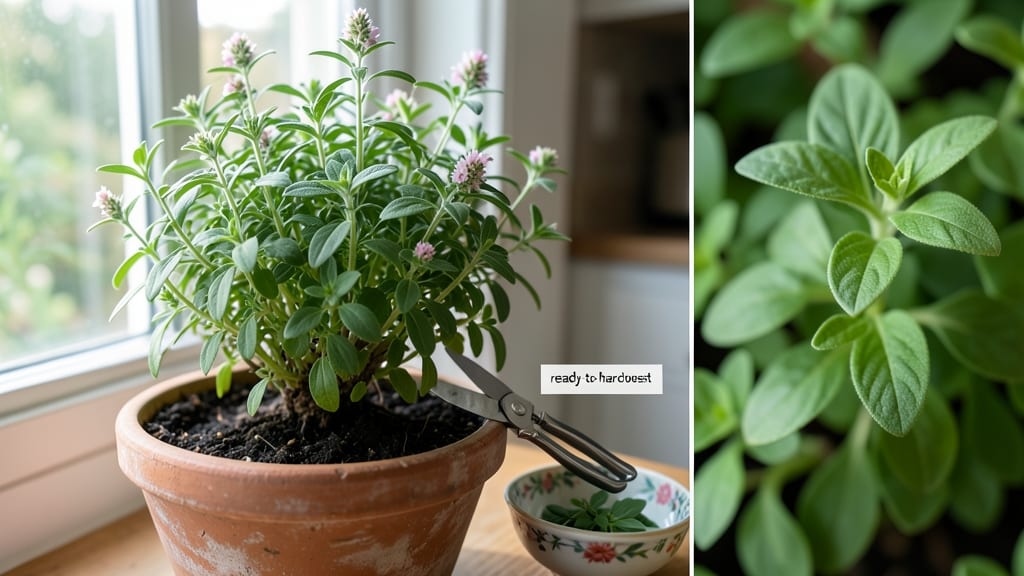
Harvesting your oregano plant at the right time ensures bold, fragrant leaves for cooking and preserves its growth for years to come.
Picture this: you’ve waited months for your 🌿 oregano to thrive, only to snip it too early and end up with weak, bitter stems—or worse, a plant that struggles to bounce back. The difference between a flavorful harvest and a disappointing one often comes down to a few simple cues.
Most gardeners in Zone 6a should aim to harvest between late spring and early summer, when the plant is tall enough but hasn’t yet flowered. That’s when the leaves pack the most punch, and the stems are firm but still flexible.
Miss this window, and you risk losing that signature oregano aroma or even stunting your plant’s future growth.
Below, I’ll walk you through three easy tests to spot the perfect moment—plus how to keep your oregano thriving after each cut. No more guesswork, just peak flavor every time.

3 Leaf-stem tests to determine perfect oregano harvest time
Harvesting oregano at the right moment transforms your herb from mild and underwhelming to bold, aromatic perfection. But how do you know when it's ready? Unlike some herbs that signal readiness with color changes, oregano requires a closer look at its leaves, stems, and growth patterns.
I’ve tested these methods in my garden for years, and they never fail to deliver the best flavor while keeping my plants healthy.
The key is understanding three specific visual cues that indicate peak harvest time. These tests take just seconds but save you from bitter-tasting oregano or over-pruning mistakes. Whether you're growing Greek oregano, Italian oregano, or any other variety, these signs apply universally.
Let’s break down each test so you can confidently harvest your oregano at its flavor peak.
- 1. Leaf Color Test: Look for deep green, glossy leaves with no yellowing or browning. The leaves should be fully mature but still soft to the touch—not woody or brittle. This indicates the plant has reached its flavor peak.
- 2. Stem Flexibility Test: Gently bend a non-flowering stem between your fingers. If it bends slightly but doesn’t snap, the plant is ready. A hard, woody stem means it’s past its prime, while a very soft stem signals it’s not mature enough.
- 3. Flower Bud Formation: Oregano produces tiny white or purple flowers as it matures. Harvest just before these buds open—typically when they’re 1/4 inch long. Waiting too long turns the leaves bitter and reduces oil production, which carries the flavor.
Let’s start with the leaf color test, my go-to method for determining harvest readiness. The leaves of a ready-to-harvest oregano plant should be a vibrant, rich green color with a slight sheen.
This indicates the plant has developed its full essential oil content, which is what gives oregano its signature aroma. If the leaves appear dull or yellowing, it’s a sign of stress—perhaps from overwatering, underwatering, or nutrient deficiency—and you should address that before harvesting.
I always check the leaf texture next. Run your fingers gently over the leaves—if they feel soft and slightly fuzzy, that’s perfect. But if they’re crunchy or leathery, the plant is likely overmature, and the flavor will suffer.
For the best results, harvest when the leaves are fully unfurled but still tender. This balance ensures you get the most potent flavor without compromising the plant’s ability to regrow.
The stem flexibility test is where many gardeners go wrong. A common mistake is assuming a hard stem means the plant is ready, but that’s actually a sign it’s past its prime. Instead, look for stems that yield slightly when bent.
This flexibility indicates the plant has developed enough structural integrity but hasn’t yet become woody. To test, grasp a stem about 2-3 inches from the base and apply gentle pressure. If it bends like a green twig, it’s time to harvest.
If you wait until the stems become hard and brittle, you’ll notice a sharp decline in flavor. The plant’s energy shifts from producing aromatic oils to seed production, which is why the leaves taste bitter.
I’ve learned this the hard way—once, I waited too long, and my oregano tasted more like dry hay than the herb I’d grown with care. The stem flexibility test saves you from this disappointment.
Now, let’s talk about flower bud formation, the third critical test. Oregano flowers are small and unassuming, but they’re your best indicator of harvest timing. When the buds are just beginning to form—about 1/4 inch long—that’s your cue to harvest.
If you see open flowers, you’ve missed the boat. The plant’s focus shifts to reproduction, and the leaves lose their bold, peppery flavor.
In my garden, I harvest every 4-6 weeks during the growing season to keep the plant producing new growth and prevent it from flowering too early.
One of the biggest mistakes I see gardeners make is over-harvesting when the plant is at its peak. While it’s tempting to take everything at once, this can weaken the plant and reduce future yields. Instead, I recommend harvesting no more than 1/3 of the plant at a time.
Focus on the outer stems first, as these are the most mature. This approach encourages bushier growth and ensures your oregano keeps producing flavorful leaves for years.
For climate-specific timing, I harvest my oregano in late spring to early summer in my USDA Zone 6a garden. In warmer climates, you can extend harvesting into early fall, but always stop before the first frost.
If you’re growing oregano in containers, keep an eye on the root ball—overcrowding can stress the plant and affect harvest quality. Regularly prune to encourage airflow and sunlight penetration, which keeps the leaves healthy and flavorful.
Finally, remember that harvesting is a year-round process for potted oregano, while in-ground plants may need a winter break. Store harvested oregano properly by hanging bundles upside down in a dry, dark place or by freezing fresh leaves for later use.
This way, you’ll always have access to homegrown oregano at its peak flavor, no matter the season.
Best harvesting practices for oregano: when, how, and how often
Timing your oregano harvest correctly can mean the difference between a bold, aromatic herb and one that’s bitter or weak. In Zone 6a, the best harvest windows are late spring through early fall, with peak flavor occurring in July and August.
This is when your plant has matured enough to produce the most flavorful leaves while still having energy to regrow.
Harvesting too early can leave your oregano stunted and leggy, while waiting too long risks flowering and seed formation, which shifts the plant’s energy away from leaf production.
The key is to strike a balance—harvest when the plant is 6-12 inches tall and the leaves are fully developed but before you see any flower buds.
When to Harvest Oregano: Pros & Cons
| Timing | Pros | Cons |
|---|---|---|
| Late Spring (May-June) | Early harvest encourages bushier growth; leaves are tender and aromatic. | Over-harvesting can weaken young plants; risk of leggy growth. |
| Summer (July-August) | Peak flavor and yield; stems are firm but leaves remain soft. | Delaying too long leads to flowering, reducing leaf quality. |
| Early Fall (September) | Final harvest before frost; stores well for winter use. | Leaves may start to harden; flavor slightly less intense. |
🌿 Best Overall: July-August for maximum flavor and yield
To harvest, use clean, sharp pruning shears and cut just above a leaf node or set of leaves. This encourages new growth from that point. Avoid cutting into woody stems, as this can damage the plant.
For a continuous harvest, aim to trim about one-third of the plant at a time, leaving enough foliage to support photosynthesis.
After harvesting, let the stems dry for a few hours before storing. For short-term use, wrap the stems in a damp paper towel and place them in a plastic bag in the fridge.
For long-term storage, bundle the stems and hang them upside down in a dark, dry place for 1-2 weeks until fully dried. Once dried, strip the leaves and store them in an airtight container away from light.
In colder climates like Zone 6a, you can also harvest oregano leaves before the first frost in October and freeze them in ice cube trays with water.
This preserves their flavor for up to a year, perfect for winter cooking. Just remember: less frequent harvesting in fall helps the plant store energy for next season.
With the right timing and techniques, your oregano will stay productive and flavorful for years, giving you a steady supply of fresh herbs straight from your garden. Happy harvesting! ✂️🌿