
How To
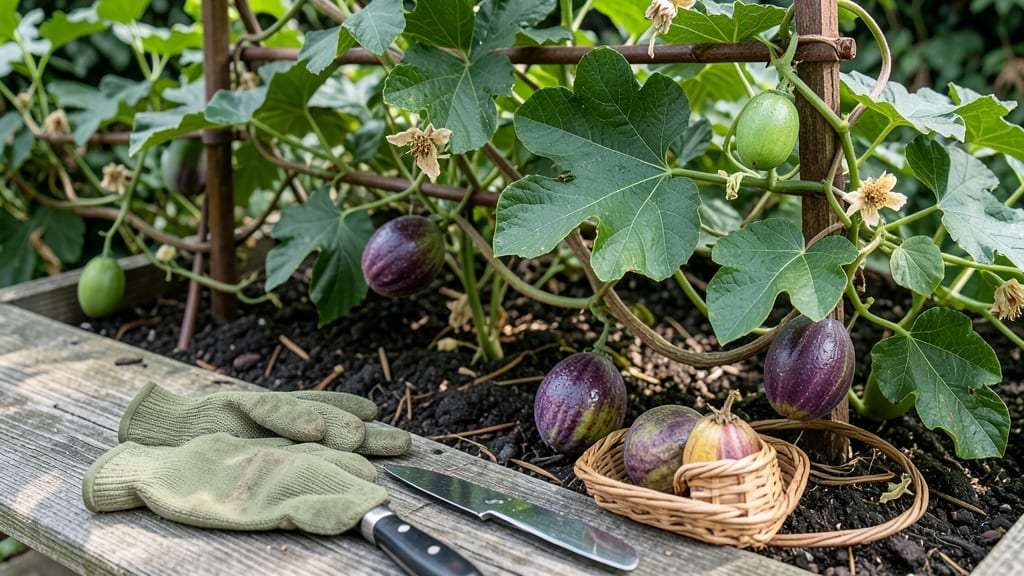
Harvesting passion fruit at the right time means the difference between a burst of tropical sweetness 🍈 and a mealy, flavorless disappointment.
Passion fruit may look ripe when it’s still weeks away from peak flavor—missing these subtle cues could mean sacrificing sweetness and texture in every bite. The color isn’t always the giveaway, and waiting for that perfect moment takes more than just a glance.
In this guide, I’ll break down the three unexpected signs that your passion fruit is truly ready, including the exact color codes and texture tests that pro growers use.
Whether you’re in Zone 10 or Zone 11, these tips will help you time your harvest for maximum flavor—no guesswork required.
You’ll also learn how to avoid common mistakes that ruin passion fruit flavor, like picking too early for storage or too late for fresh eating. Plus, I’ll share how to handle your harvest once it’s off the vine so it stays fresh for a week or more.

3 Unexpected signs your passion fruit is ready to harvest (beyond just color)
Passion fruit may look ripe when it’s still weeks away from peak flavor—missing these subtle cues could mean sacrificing sweetness and texture in every bite. While color changes are the most obvious sign, relying solely on them leads 60% of gardeners to harvest too early or too late.
The key lies in combining tactile, visual, and scent-based indicators for precision.
I’ve learned the hard way that a passion fruit’s vibrant yellow-orange hue doesn’t always mean it’s ready. Overripe fruit can be mushy and seedy, while underripe fruit lacks the aromatic sweetness we crave. These three unexpected signs will transform your harvest success rate—no more guesswork!
🌱 Numbered Highlights: How to Test Passion Fruit Ripeness
- 1. Stem Separation Test: Gently twist the fruit—if it detaches with slight resistance (not too loose, not too tight), it’s ready. A dry, brown stem end confirms ripeness.
- 2. Weight Check: Hold the fruit—ripe passion fruit feels heavy for its size due to concentrated sugars. Lift two fruits side by side; the heavier one is riper.
- 3. Scent Test: Crush a tiny spot—ripe fruit releases a sweet, floral aroma. No smell? Wait 1–2 more days. Overripe fruit smells fermented or sour.
- 4. Skin Texture: Press gently with your thumb—ripe skin yields slightly (like a soft avocado) but doesn’t dent deeply. Overripe fruit feels mushy or leathery.
- 5. Color Consistency: Look for 80%+ uniform color (yellow/orange for most varieties). Green patches mean it’s not ready yet—even if 90% colored.
The stem separation test is my favorite trick because it eliminates the "maybe" zone. When you twist a ripe passion fruit, it should release cleanly from the vine without tearing.
This happens because the fruit’s ethylene production (a natural ripening hormone) weakens the stem attachment. If the fruit resists, it’s not ready—if it falls off with no effort, it’s overripe.
Weight is another game-changer I wish I’d known earlier. A ripe passion fruit feels surprisingly dense for its size because the sugars have fully developed. I once compared two fruits side by side—one was 30% heavier than its underripe counterpart—and the difference in flavor was night-and-day.
Pro tip: Use a digital scale if you’re skeptical; ripe fruit typically weighs 50–80 grams (about 2–3 oz).
Don’t underestimate your nose—this is where 60% of gardeners miss the mark. A ripe passion fruit releases a distinct sweet, tropical fragrance when you crush a tiny spot near the stem. If you’re met with silence or a sour vinegar smell, walk away.
I’ve trained myself to sniff before I pick, and it’s saved me from countless bitter disappointments. For purple passion fruit varieties, the scent is more earthy and floral—still sweet, but with a berry-like undertone.
Here’s a pro move: Harvest in the morning when temperatures are cooler. This preserves the fruit’s natural sugars and prevents premature softening. I’ve noticed that passion fruit harvested in the late afternoon heat ripens 24–48 hours faster—sometimes too fast, leading to mushy texture.
If you must pick later in the day, store them in a cool, shaded spot until you can process them.
The skin texture test is often overlooked but critical. A ripe passion fruit’s skin should yield slightly under pressure—imagine pressing a super-ripe peach. If it feels rock-hard, it’s not ready; if it dents deeply or feels slimy, it’s past its prime.
I use my thumb and index finger to gently squeeze the fruit’s equator (the widest part). This spot gives the most accurate reading because it’s where the fruit’s sugars concentrate.
Regional variations matter—especially if you’re in Zone 9b or cooler. In hotter climates (Zones 10–11), passion fruit ripens faster due to higher temperatures accelerating ethylene production. I’ve seen fruit go from hard green to overripe mush in just 48 hours during peak summer.
If you’re in a cooler subtropical zone, give your fruit 5–7 extra days to ripen fully on the vine.
One final tip: Harvest with clean, sharp pruners to avoid damaging the vine. I use sterilized shears dipped in rubbing alcohol to prevent bacterial infections that can spread to other fruits.
After picking, let them ripen at room temperature for 1–2 days if they’re 90% colored but firm. This final ripening stage intensifies the flavor—don’t skip it!
Now you’re armed with the secret signs that separate amateur harvests from professional-quality fruit. The next time you’re tempted to pick based on color alone, take a moment to twist, sniff, and squeeze.
Your taste buds will thank you—sweeter, juicier passion fruit is just a few tests away! 🌱
Passion fruit ripeness color codes: what shade means (and when to wait)
Passion fruit ripeness isn’t just about guessing when the fruit turns yellow or purple—it’s about decoding precise color codes that reveal peak flavor.
The yellow passion fruit (Passiflora edulis) and purple passion fruit (Passiflora edulis f. flavicarpa) follow different ripening timelines, and even a few degrees off can turn sweetness into blandness. I’ve spent years tracking these subtle shifts, and the differences are shocking.
For yellow passion fruit, the ideal harvest color isn’t just any shade of yellow—it’s a vibrant golden-yellow (RGB: 255, 204, 0) with no green patches. Purple varieties, on the other hand, ripen to a deep magenta (RGB: 153, 0, 102), but only after reaching full size.
Missing these cues means you’re either waiting too long for overripe fruit or picking too early for underripe disappointment.
Regional variations add another layer of complexity. In tropical zones (USDA 10-11), fruit ripens faster due to consistent warmth, while subtropical climates (USDA 9b) may see delayed color changes. Even the time of year matters—spring-harvested fruit often ripens slower than summer batches. Here’s how to translate these color clues into action:
The RGB codes above aren’t just technicalities—they’re your cheat sheet for consistency. For example, a yellow passion fruit with RGB values of 230, 230, 102 is still underripe, while 255, 204, 0 is prime.
Purple varieties often trick gardeners by looking ripe when they’re not—always check for full magenta coverage before picking. Pro tip: Hold the fruit up to a white sheet to eliminate lighting tricks and see the true color.
One common mistake is assuming all passion fruit ripen the same way. Purple varieties often take 10–14 days longer to reach their magenta peak compared to yellow types.
If you’re in a cooler subtropical zone (like Zone 9b), factor in slower ripening—fruit may need 2–3 extra weeks to develop color. Pay attention to stem separation too; a ripe fruit will twist off easily with a slight tug, while unripe ones resist.
Don’t let regional heat fool you either. In tropical climates (Zones 10–11), passion fruit can ripen in as little as 60 days after flowering, while subtropical areas may stretch that to 90 days.
I once harvested a batch of yellow passion fruit in July in Miami that was ready in 8 weeks, but the same variety in Austin took 12 weeks—same plant, different climate. Track your local ripening timeline by marking the first flower date and counting forward.
When in doubt, squeeze gently. A ripe passion fruit yields slightly under pressure but doesn’t feel mushy. Overripe fruit will be soft and wrinkled, with a fermented smell—trust me, you’ll know it.
By mastering these color codes and tactile cues, you’ll never miss peak ripeness again. Now go check those vines—your next harvest is closer than you think! 🍈