
How To
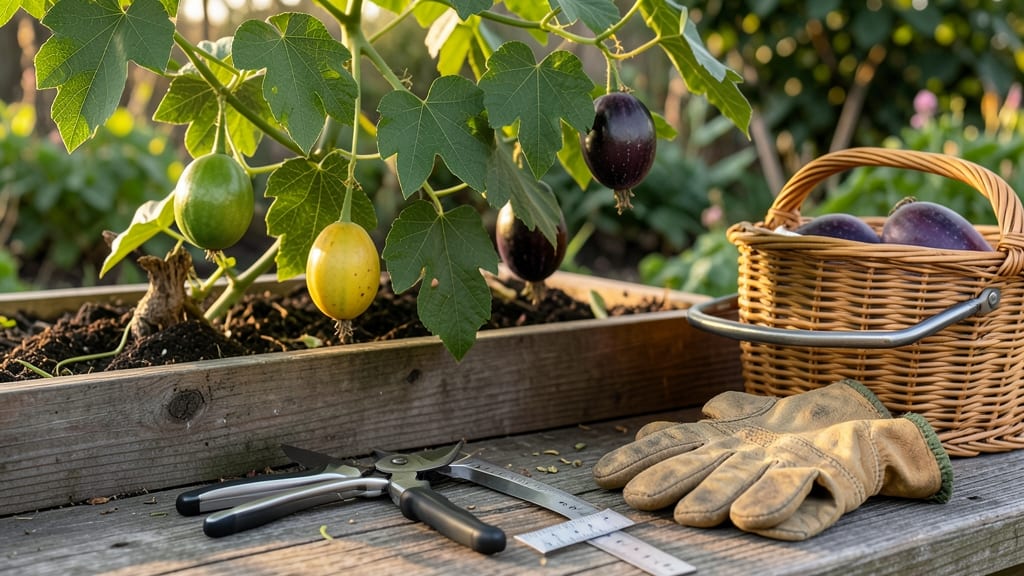
Harvesting passionfruit at the right moment turns a bitter disappointment into a burst of tropical sweetness—here’s exactly when to pick them for peak flavor.
Picture this: you’ve waited months for your 🍈 passionfruit vines to load up with fruit, only to twist off a pod that’s seedy, mealy, or still green. That’s the frustration of harvesting too early (or too late).
The good news? With just a few simple checks—color, texture, and even a seed test—you’ll never miss the sweet spot again.
In General (Tropical/Subtropical Regions), like USDA zones 10-12, passionfruit ripen year-round, but timing shifts with temperature. Purple varieties often signal ripeness when they darken to a deep indigo, while yellow types turn golden—and that’s just the start.
We’ll break down the 3 foolproof tests to confirm ripeness, plus how climate affects your harvest window.
Ready to go from guesswork to golden perfection? You’ll learn how to read your fruit’s cues, adjust for your local growing season, and even store your harvest like a pro so every bite tastes like summer.

Passionfruit pod color chart: exact shades that signal ripeness
Harvesting passionfruit at the perfect moment means the difference between sweet, tangy perfection and bitter, seedy disappointment. The key lies in understanding the exact color cues for each variety, as these visual signals change dramatically depending on whether you're growing purple passionfruit or yellow passionfruit.
Many gardeners make the mistake of picking too early—just because a fruit is hanging doesn't mean it's ready!
Color isn't the only factor, but it's your first and most reliable clue. For purple passionfruit, the pods start green and gradually deepen to a rich, velvety purple when ripe. Meanwhile, yellow passionfruit shifts from green to a vibrant golden-yellow with hints of orange.
Even slight variations in shade can mean the difference between peak ripeness and underripe fruit—so let's break it down variety by variety.
Below is your visual reference guide to passionfruit pod colors, including the exact shades that signal ripeness and the common mistakes that lead to premature harvesting. Use this chart as your cheat sheet before reaching for those pruners!
🌿
The purple passionfruit is the most common variety in home gardens, and its deep purple hue is unmistakable when fully ripe. However, many gardeners rush to pick when they see the first hints of purple—this is where they go wrong.
The fruit needs to be at least 90% purple with only a tiny sliver of green remaining at the stem end. If you see more green than purple, it's not ready yet.
For yellow passionfruit, the transition is equally critical. The pods start a pale green and gradually turn to a bright golden-yellow. The moment they begin showing orange undertones, that's your cue to harvest.
One common error is assuming any yellow means ripe—some varieties develop a pale, sickly yellow when overripe, so always check for the vibrant golden-orange shade.
If you're growing multiple varieties, keep a small color chart nearby to compare shades. Natural lighting can make colors appear different at various times of day, so harvest in morning sunlight when colors are most accurate.
Pro tip: Hold the fruit up to a white background to see the true color—this eliminates shadows and helps you spot those hidden green patches that mean it's not quite ready.
🍈
Remember, color alone isn't enough—you'll also want to perform the gentle squeeze test and check for the seed darkness we'll cover in the next section.
But mastering these color cues first will prevent you from picking passionfruit too early and ending up with sour, underripe fruit that's a waste of your gardening efforts.
Once you've nailed the color chart, your next step is to combine these visual clues with tactile tests for absolute confidence in your harvest timing. The combination of color, texture, and seed color will give you foolproof results every time.
3 Tactile tests to confirm passionfruit ripeness (beyond just color)
Color alone can be misleading when harvesting passionfruit—especially in humid climates where pods may stay green longer. That’s why I rely on these three tactile tests to guarantee ripeness. These methods work for both purple passionfruit and yellow varieties, cutting through the guesswork of visual cues alone.
Over the years, I’ve learned that overripe passionfruit can become mushy and lose flavor, while underripe ones taste bitter. The key is knowing when the fruit has reached its peak sweetness but hasn’t yet started to degrade. These tests help me pinpoint that exact window—without tasting every single fruit.
🌱 Numbered Highlights: 3 Tactile Tests for Passionfruit Ripeness
- 🔊 Cracking Sound Test: Hold the fruit near your ear and gently tap it. A deep, hollow crack means it’s ripe—like knocking on a ripe melon. If it sounds dull, wait 2-3 more days.
- 🌱 Seed Darkness Test: Cut open the fruit (or use a sterilized knife) and check the seeds. Fully ripe seeds are deep black or purple. If they’re still pale brown, the fruit needs more time on the vine.
- 🤲 Fruit Give Assessment: Press your thumb gently into the skin. A ripe passionfruit will yield slightly under pressure—like pressing a soft tennis ball. If it’s rock-hard or overly squishy, it’s not ready.
One common mistake I see is assuming all passionfruit ripen on the vine. In reality, some varieties (like Passiflora edulis) often need to be picked slightly early and ripened indoors.
If your fruit stays green even after 3 weeks past color change, try harvesting it and placing it in a paper bag with a banana to speed up ripening.
For temperate climates, where vines struggle to ripen fruit fully, these tactile tests become even more critical. I’ve found that yellow passionfruit often ripens faster than purple varieties, so I double-check with all three tests to avoid disappointment.
The seed darkness test is my favorite—it’s foolproof and doesn’t require any special tools.
Pro tip: Always harvest in the morning when temperatures are cooler. This preserves the fruit’s natural sugars and makes the tactile tests more accurate. Store harvested passionfruit in a cool, dry place (not the fridge) to extend their shelf life by up to a week.
Now that you’ve mastered these tests, you’ll never again waste time picking passionfruit that’s either too tart or too mushy. Happy harvesting—and enjoy that tropical sweetness at its absolute peak! 🍈