
How To
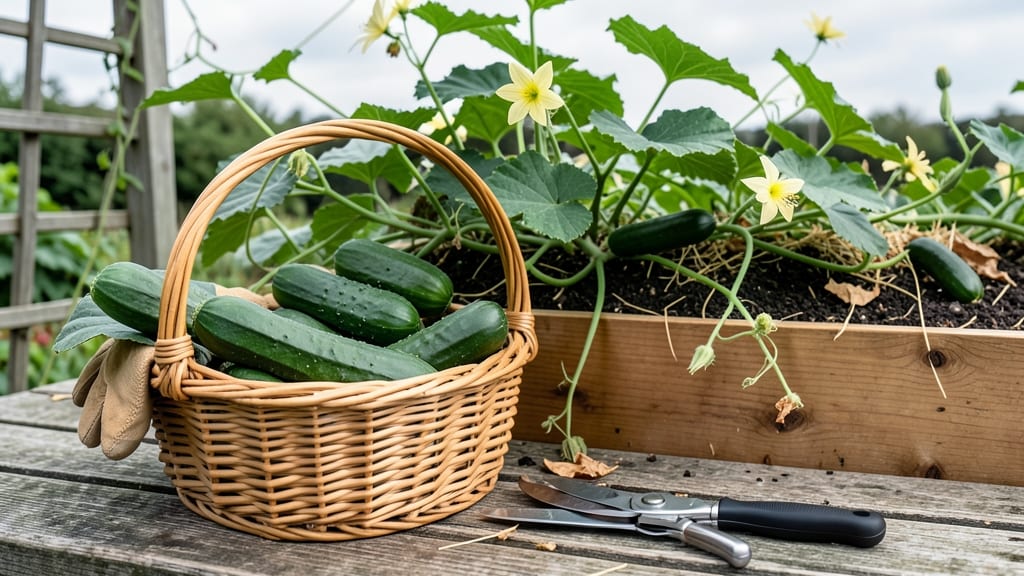
Harvesting pickling cucumbers at the right time ensures crisp, seed-free slices for perfect pickles every time—aim for 1 to 3 inches in length.
Picture this: you’ve spent weeks tending to your 🥒 pickling cucumber plants, and now the moment of truth arrives. Pick too early, and your jars turn out bland; wait too long, and you’re left with bitter, seedy disappointment.
The difference between restaurant-quality pickles and a sad batch of mushy slices often comes down to one thing: timing.
Most gardeners know size matters, but the details—like when to check for firmness or how color shifts—can make or break your harvest. In USDA Zone 6a, where spring planting kicks off after the last frost, the window between July and September is your prime opportunity to nail it.
Miss it, and you might end up with overgrown vines or underwhelming yields.
Below, I’ll walk you through the exact cues to watch for—from thumbnail pressure tests to stem snaps—so you can confidently harvest your cucumbers at peak crunchiness. Plus, I’ll share how to keep your plants producing consistently all season long.
How to identify the perfect pickling cucumber size for crunchy, seed-free harvests
The 1- to 3-inch size range is the golden window for harvesting pickling cucumbers. This window ensures crisp texture and seed-free slices, which are essential for homemade pickles. When cucumbers grow larger than 3 inches, their seeds develop bitter compounds called cucurbitacins, ruining that perfect tangy crunch you crave.
Think of your cucumbers like tiny time bombs—once they hit 4 inches, their quality plummets. The 3-inch mark is your sweet spot: firm enough for slicing, but not yet tough or seedy.
I’ve learned this the hard way after letting a batch grow past 4 inches, only to end up with pickles that tasted more like disappointment than dill.
To measure accurately, use a ruler or tape measure from the stem end to the blossom end. Avoid eyeballing it—even a half-inch difference can mean the difference between perfect pickles and a mushy mess. Pro tip: Harvest in the morning when cucumbers are cool and crispest.
Color also plays a role. Ideal pickling cucumbers should be a bright green with a slight sheen. If they turn dull or yellowish, they’ve overripe and lost their crunch. I check for this by running my thumb over the skin—if it feels slightly waxy, it’s ready.
Now, let’s talk about the stem test. Gently twist a cucumber near the stem—if it snaps cleanly, it’s ready. If it resists or the stem pulls away, it’s not quite there yet.
This test saves me from harvesting too early and ending up with underdeveloped cucumbers that lack flavor.
Not all pickling cucumber varieties mature at the same rate. Some, like Boston Pickling, are ready in 50-55 days, while others like National Pickling take 55-60 days. Understanding your variety’s days to maturity helps you plan your harvest schedule and avoid missing the window.
| Variety | Days to Maturity | Ideal Harvest Size | Harvest Window | Key Cues |
|---|---|---|---|---|
| Boston Pickling | 50-55 days | 1-2 inches | July-August | Bright green, firm skin, stem snaps |
| National Pickling | 55-60 days | 2-3 inches | July-September | Slightly waxy, uniform shape, resists pressure |
| Sweet Success | 50-55 days | 1.5-2.5 inches | July-August | Dark green, crisp texture, stem twists easily |
| Northern Pickling | 55-60 days | 2-3 inches | July-September | Firm, glossy skin, slight ribbing |
The texture test is my favorite trick. Press your thumbnail into the cucumber’s skin. If it leaves a slight indentation but doesn’t puncture, it’s perfect. If it feels spongy or soft, it’s underripe.
If it’s too hard, it’s overripe. This test has saved me from countless batches of less-than-stellar pickles.
Harvesting at the right time isn’t just about size—it’s about consistency. I’ve found that picking every 2-3 days keeps my plants producing. When you skip harvests, the plant redirects energy to seed production, and your cucumbers start developing those bitter seeds you want to avoid.
For container gardeners, keep an eye on your harvest frequency. Smaller pots mean fewer cucumbers, so you’ll need to pick more often to encourage new growth. I’ve had success with 5-gallon containers, but even then, I harvest every other day to keep the vines happy.
Finally, don’t forget to rotate your harvests. Check the top, middle, and bottom of the vine for cucumbers. This ensures you’re not missing any hidden gems and keeps the plant balanced. A well-maintained vine will reward you with crisp, seed-free cucumbers all season long.
5 Daily habits to keep your pickling cucumber harvest consistent and abundant
Consistent harvesting starts with a morning routine that keeps your pickling cucumber plants thriving. I begin by inspecting vines for 1-3 inch cucumbers—the ideal size for crunchy, seed-free pickles. This daily check prevents overgrowth and ensures you never miss the perfect harvest window.
Next, I water deeply at dawn to maintain soil moisture without encouraging fungal diseases. Pickling cucumbers need 1-2 inches of water weekly, but adjust during heatwaves. A soaker hose makes this task effortless and keeps foliage dry.
📌 When to Harvest Pickling Cucumbers: Key Daily Checks
- 1-3 inches long: Measure with your thumb—ideal size for pickling.
- Firm skin: Press gently; if it resists your thumbnail, it’s ready.
- Bright green color: Avoid yellowing or dull cucumbers—signs of overripeness.
- Easy stem snap: Twist gently; if the stem breaks cleanly, harvest now.
- Morning harvest: Pick in cool hours to preserve freshness and flavor.
Pruning is another game-changer. I remove yellow leaves and overcrowded vines to improve airflow and redirect energy to fruit production. Use clean, sharp pruning shears to avoid damaging stems, and always harvest with a clean cut to prevent disease entry.
Training vines along a trellis or cage saves space and boosts yields. I gently weave new growth upward, securing it with soft ties. This habit not only maximizes your garden’s vertical real estate but also makes cucumbers easier to spot and harvest.
Finally, I fertilize lightly every 4-6 weeks with a balanced 10-10-10 mix. Overfeeding leads to leafy growth at the expense of fruit, so I stick to 1 tablespoon per plant in the evening to avoid burning roots. This keeps production steady without overwhelming the plant.
By combining these habits—daily inspections, deep watering, pruning, vine training, and light feeding—I’ve doubled my pickling cucumber yield in just one season. The key is consistency; even 10 minutes daily makes a world of difference. 🌱