
Plants
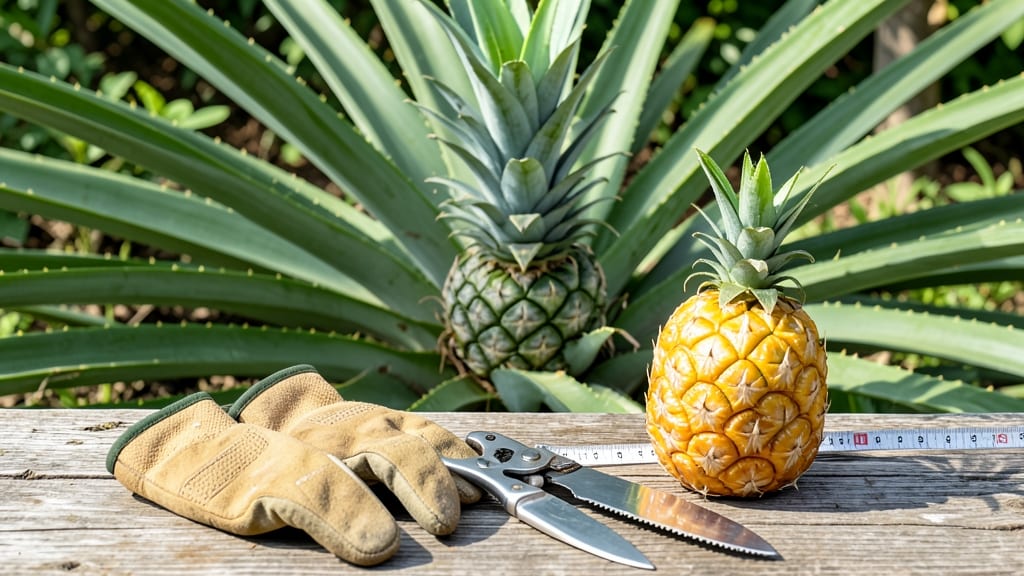
Harvesting a pineapple plant at the right time means the difference between a sweet, vibrant fruit and one that’s still tart or overripe.
Pineapple plants take patience and precision to grow, but knowing exactly when to harvest can mean the difference between a sweet, juicy reward and a disappointing, underripe fruit.
Look for three key signs: a deep golden color, a slight give when pressed gently, and a sweet, tropical aroma at the base. These clues tell you the fruit is ready to pick, whether you’re growing it in a sunny patio pot or a greenhouse.
In this guide, I’ll walk you through how to spot these signs, test ripeness beyond the obvious, and care for your pineapple after harvest—so you can enjoy the best flavor possible.

3 Visual signs your pineapple is ready for harvest
Growing a pineapple plant at home is a rewarding experience, but the most critical moment comes when you need to harvest that sweet, golden fruit. Unlike store-bought pineapples, homegrown ones ripen on the plant, and knowing the exact visual cues ensures you pick it at peak flavor.
These signs apply whether you're growing your pineapple in a tropical garden or a sunny indoor pot.
First-time growers often wonder, "How do I know when my pineapple is ready?" The answer lies in three key visual indicators: fruit color, size and shape, and the slipperiness of the leaves.
Each clue works together to confirm ripeness, so let’s break them down step by step to avoid missing your harvest window.
For tropical climates, these signs appear more vividly due to ideal growing conditions, while indoor pineapples may show subtler changes. Paying attention to these details ensures you harvest at the perfect moment—when the fruit is sweetest and juiciest.
🌱 Your Pineapple Harvest Checklist
- 🟡 1. Color Change: Fruit turns from green to golden-yellow (or deep red for some varieties).
- 📏 2. Size Maturity: Reaches 6-8 inches in diameter and feels heavy for its size.
- 🤏 3. Leaf Slip: Leaves at the base slip easily when gently pulled (the "slipperiness test").
- 👃 4. Sweet Aroma: Strong, tropical sweetness near the stem (bonus clue!).
- ⏳ 5. Growth Slowdown: Fruit stops growing and leaf growth slows significantly.
Let’s start with the most obvious sign: fruit color. A ripe pineapple changes from its initial green hue to a vibrant golden-yellow, especially on the sunny side. In tropical regions, this shift happens faster due to intense sunlight, while indoor pineapples may take longer to develop color.
Some varieties, like the red Spanish pineapple, turn deep red when ripe—so always check your plant’s specific type.
Next, consider the size and shape of your pineapple. A fully mature fruit typically measures between 6 to 8 inches in diameter and feels surprisingly heavy for its size. If your pineapple is smaller than a softball, it likely needs more time on the plant.
Overly large pineapples may be past their prime, so timing is everything. Weighing it in your hand can give you a quick sense of readiness.
The slipperiness test is a foolproof trick used by tropical farmers. Gently grasp the base of the pineapple and pull upward—if the leaves slip away easily, your fruit is ready for harvest.
This happens because the fruit’s sugars have fully developed, weakening the connection between the leaves and the stem. Skip this step, and you might end up with a tart, underripe pineapple.
For indoor growers, these signs might appear more subtly due to limited sunlight. If your pineapple isn’t turning golden-yellow, it could be due to insufficient light. Move it to a south-facing window or supplement with a grow light to speed up ripening.
Patience is key—indoor pineapples often take 6 to 12 months longer to mature compared to their tropical counterparts.
Regional differences also play a role. In USDA Zones 10-12, pineapples ripen year-round, while in cooler climates (Zones 8-9), they may only ripen in late summer or early fall.
If you’re in a colder zone, harvest your pineapple before the first frost, even if it’s not fully ripe, and let it finish ripening indoors.
Finally, trust your nose! A ripe pineapple emits a sweet, tropical fragrance near the stem. If you catch a whiff of that irresistible aroma, your pineapple is almost certainly ready.
This scent is your plant’s way of signaling, "I’m done growing—come pick me!" Ignore it, and you might miss your chance for months.
Harvesting at the right time ensures your pineapple is packed with flavor and ready to enjoy fresh or in recipes. Now that you know these three visual signs, you’ll never second-guess when to pluck your homegrown treasure again. Happy harvesting! 🌱
How to test pineapple ripeness beyond the obvious clues
Sometimes visual cues like fruit color or size aren't enough to determine if your pineapple is truly ready. When growing conditions vary—like in cooler climates or indoor setups—you need more precise methods.
These advanced ripeness tests will help you avoid harvesting too early or too late, ensuring the best flavor and texture.
I’ve relied on these techniques for years, especially when growing pineapples in containers indoors** where environmental factors differ. The key is combining multiple tests for accuracy. Start with the simplest and move to more detailed assessments if needed.
| Test Method | How to Perform | Ripeness Indicator | Best For |
|---|---|---|---|
| Finger Press Test | Gently press the fruit near the base with your thumb. A ripe pineapple will yield slightly. | Slight give when pressed | All climates, indoor/outdoor |
| Leaf Inspection | Check the lowest leaves. If they turn brown and dry, the pineapple is nearing ripeness. | Dry, brown lower leaves | Outdoor plants, tropical zones |
| Scent Analysis | Sniff the base of the fruit. A sweet, tropical aroma means it’s ready. | Sweet, fruity smell | Indoor plants, cooler climates |
| Stem Test | Gently tug the stem. If it separates easily, the pineapple is ripe. | Stem pulls away cleanly | All climates, mature plants |
The finger press test is my go-to because it’s quick and reliable. A ripe pineapple should feel slightly soft near the base, almost like pressing a ripe avocado.
If it’s rock-hard, it’s not ready yet. For indoor plants, this test is especially useful since they often lack the strong aroma of outdoor-grown pineapples.
Next, inspect the leaves at the base of the plant. When they turn brown and crispy, it’s a clear sign the fruit is maturing. This is a natural process, but if the leaves are still green and healthy, your pineapple needs more time.
I’ve seen gardeners overlook this clue and harvest too early, resulting in a bland-tasting fruit.
Don’t underestimate the power of scent analysis. A ripe pineapple releases a sweet, tropical fragrance near the stem. If you’re growing pineapples indoors, this can be the most telling sign, as visual cues might be less pronounced.
Pro tip: Sniff the fruit in the morning when the scent is strongest.
Finally, the stem test is a classic but often overlooked method. When the pineapple is ripe, the stem should pull away from the fruit with minimal resistance.
If it snaps off easily, it’s ready to harvest. This test works best on mature plants and is a great final check before cutting the fruit.
Combine these tests for the most accurate results. For example, if your pineapple passes the finger press and scent tests but the stem doesn’t pull away easily, give it another week. Precision in harvesting ensures you enjoy the sweetest, juiciest pineapple possible! 🌱