
How To
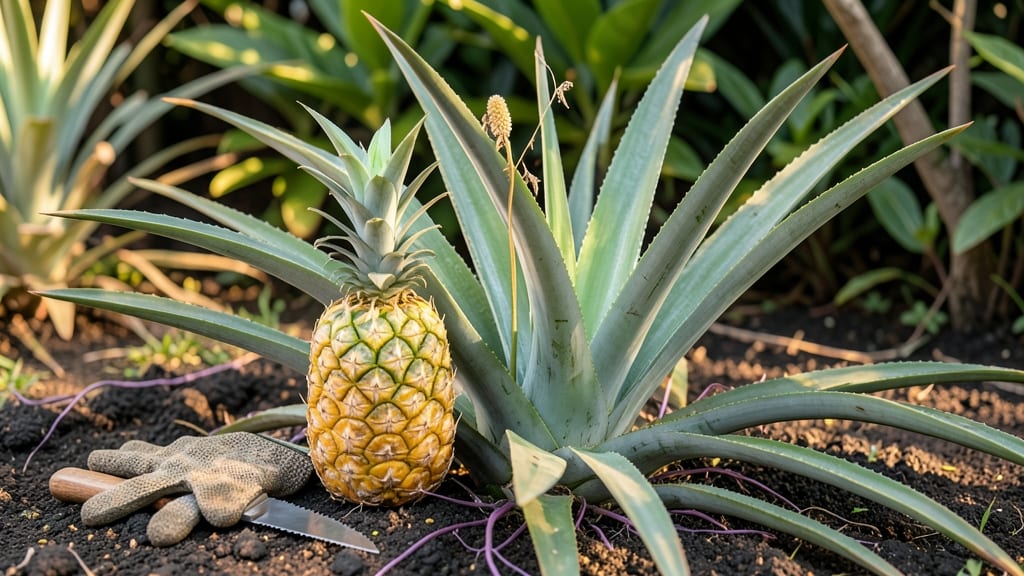
Harvesting a pineapple at the right time means the difference between a sweet, juicy reward and a bland, underripe disappointment.
Picking too early means sacrificing sweetness, texture, and even flavor—so knowing exactly when to harvest can make the difference between a disappointing bite and a tropical masterpiece.
For those growing 🍍 in General (Tropical/Subtropical Regions) or indoors, three simple tests—color, scent, and touch—will tell you when your pineapple is ready to pick.
In this guide, I’ll walk you through each step, including how to handle the fruit once it’s off the plant for the best flavor and storage life.

3 Reliable tests to determine when to harvest pineapple
Harvesting pineapple at the perfect moment transforms a simple fruit into a sweet, juicy masterpiece. But timing is everything—wait too long, and the fruit may overripe; harvest too early, and you’ll miss that peak tropical flavor.
The good news? Three simple tests can help you nail the harvest window every time. Whether you're growing pineapple in your backyard or managing a small farm, these methods ensure you don’t miss the ideal ripeness.
Pineapples don’t ripen like many other fruits—they need to be harvested when fully mature and ripe. Unlike store-bought pineapples, which are often picked green and gassed for ripening, homegrown pineapples should be eaten fresh at peak ripeness.
This means relying on visual cues, scent, and even touch. Mastering these tests will save you from the frustration of underripe or overripe fruit and guarantee a harvest that’s worth the wait.
Look for a golden-yellow hue on the fruit’s skin. The base should turn brown or yellowish—this signals maturity. A mostly green pineapple isn’t ready yet!
Sniff the base of the pineapple. A strong, sweet, tropical fragrance means it’s ripe. No smell? Wait a few more days—this test is foolproof for peak sweetness.
Gently squeeze the pineapple near the base. A slightly soft, yielding feel (like a ripe avocado) means it’s ready. If it feels hard, it’s not ripe; if it’s mushy, it’s overripe.
Start with the color test—it’s the easiest way to spot a ripe pineapple from a distance. A fully ripe pineapple will have a golden-yellow skin with no green patches.
The base, where the fruit meets the plant, should also show signs of aging, turning from green to brown or yellowish. This color shift indicates the fruit’s sugars have fully developed, making it sweeter and more flavorful.
Next, trust your nose with the scent test. A ripe pineapple emits a powerful, sweet aroma at its base—almost like a mix of honey and tropical flowers. If you can’t smell it from a few feet away, the pineapple likely needs more time.
Pro tip: Smell the base first, then the sides. The strongest scent at the base is a clear sign of ripeness.
Finally, use the touch test to confirm ripeness. Press gently near the pineapple’s base—it should feel slightly soft but firm, like a well-ripened peach. If it’s rock-hard, it’s not ready; if it’s mushy, it’s past its prime.
This tactile check ensures you’re harvesting at the perfect texture for eating fresh or sharing with neighbors.
For home gardeners in cooler climates, timing is extra critical. Pineapples thrive in USDA Zones 10a-12, but if you’re growing them in containers or greenhouses, monitor these tests closely.
A pineapple grown indoors might ripen faster due to controlled warmth, so check the scent and touch tests more frequently.
One common mistake is harvesting based on size alone. A large pineapple isn’t necessarily ripe—always combine the three tests for accuracy. Overlooking the scent or touch test can lead to a less sweet, firmer fruit, which is a shame after months of care.
Think of these tests as your ripeness checklist before cutting the fruit from the plant.
If you’re growing pineapple for replanting, harvest when the fruit is ripe but still firm enough to handle. The plant’s leaves will start turning yellow and dying back after fruiting, signaling it’s time to remove the fruit and propagate new plants from the crown.
This ensures you can renew your pineapple patch year after year.
Remember, patience pays off. A pineapple takes 18-24 months to mature, so don’t rush the process. By mastering these three tests, you’ll always know when to harvest—turning your garden into a tropical treasure trove of sweet, juicy pineapples. 🍍
How to harvest pineapple properly (and avoid common mistakes)
Now that you’ve identified your pineapple is ripe, the next critical step is harvesting it correctly to preserve its sweetness and texture. Using the wrong technique can bruise the fruit or even damage the plant for future harvests.
I’ve learned from experience that a sharp cut and gentle handling make all the difference—especially if you plan to store or share your harvest.
Start by selecting a clean, sterilized knife or pruning shears. Dull tools crush the fruit and create entry points for bacteria or fungus. Cut the pineapple about 1 inch above the base, angling slightly downward to avoid leaving a stub.
This method prevents water from pooling, which can rot the fruit or plant.
After cutting, twist the pineapple gently to separate it from the plant. The stem should pull away cleanly if done correctly. If it resists, you may have cut too close to the base—leave a small portion of the stem attached to prevent moisture buildup.
This 1-inch stem also helps the fruit ripen more evenly if stored.
⚠️ Harvesting Too Early or Late
Pineapples harvested too early (green or firm) will never ripen properly and taste bland. Conversely, overripe fruit (mushy, fermented smell) spoils quickly. Aim for the golden-yellow stage with a sweet fragrance—this is your 3-day harvest window for peak flavor.
Once harvested, inspect the fruit for any bruises or soft spots. These areas are prone to rot, so trim them away immediately with a clean knife. For storage, leave the pineapple at room temperature for 1–2 days to let residual sugars develop.
After that, refrigerate to slow ripening—this extends shelf life by up to 2 weeks.
If you’re replanting the crown (the leafy top), remove it before storing the fruit. Soak the crown in water for 2 days to encourage root growth, then plant it in well-draining soil. With patience, this crown can produce a new pineapple in 18–24 months—a rewarding cycle for gardeners!
Pro tip: Avoid washing the pineapple until you’re ready to eat it. Moisture speeds up spoilage, so a quick rinse under cool water right before serving preserves its freshness longer. Store cut pineapple in an airtight container with a paper towel to absorb excess moisture.