
How To
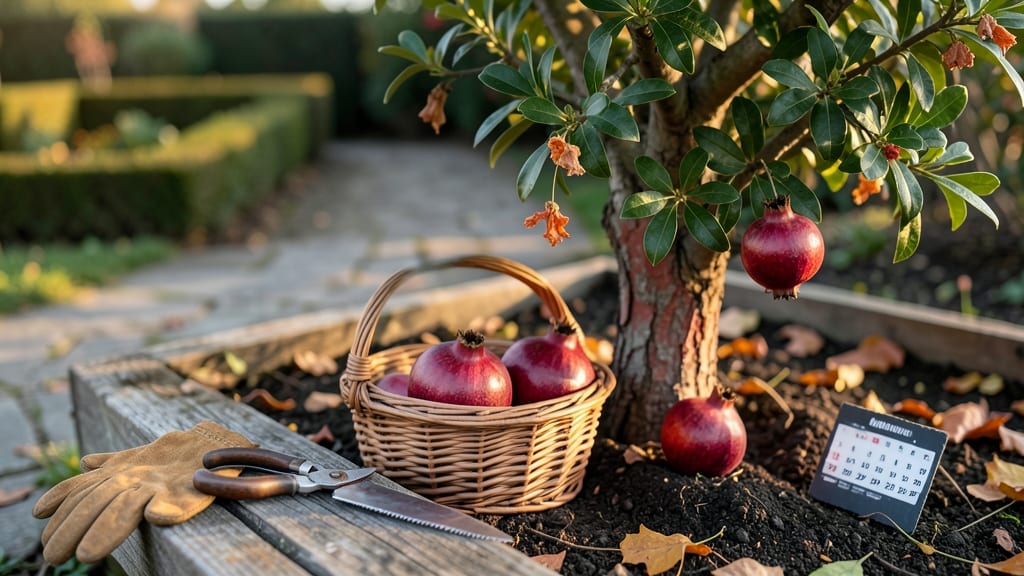
Harvesting pomegranate fruit at the right time means the difference between sweet, jewel-like arils and bitter, underripe disappointment—so timing is everything, especially in USDA Zones 6-10.
Most gardeners wait for the rind to turn yellowish-brown, but the real clue is inside: those deep red seeds you crave only appear when the fruit is truly ripe. Miss this shift, and you’ll end up with a tart, seedy mess instead of the sweet treasure you planted for.
In most regions, pomegranates ripen between late October and January, but the exact moment depends on your zone and variety. A quick shake test—if the seeds rattle—confirms readiness, but the color change inside is the foolproof signal.
Below, I’ll walk you through the exact cues to watch for, how to harvest without damaging the fruit, and the best ways to store them so they stay fresh for weeks—no guesswork required.

How to identify pomegranate ripeness through seed color changes
Harvesting pomegranates at the perfect moment means looking beyond the rind’s color—the real magic happens inside. The seed color progression is your most reliable indicator of ripeness, shifting from pale white to a deep, jewel-like red.
This subtle change signals that the fruit’s sugar content has peaked and the arils (edible seeds) are at their juiciest. Overlooking this internal cue often leads to bitter or underripe fruit, so let’s crack open the science behind it.
Most gardeners focus on the external rind changes, like turning from green to yellowish-brown, but the internal seed color is the true harvest barometer. A fully ripe pomegranate will have seeds that are deep ruby red throughout, not just near the center.
This color shift happens gradually over 4-6 weeks in late fall, so timing your harvest correctly requires patience and attention to detail.
| Seed Color Stage | Ripeness Level | Harvest Window | Regional Timing (Zone 6) |
|---|---|---|---|
| Pale white | Unripe | Not ready | July-August |
| Light pink | Early development | Wait 4-6 weeks | September |
| Pink with red center | Near-ripe | Harvest soon | Mid-October |
| Deep ruby red | Fully ripe | Prime harvest | Late October-November |
The transition from light pink to deep red is your green light to harvest. In warmer climates like USDA Zone 9-10, this shift happens earlier, often by September-October, while colder regions like Zone 6-7 may see it as late as November.
Pay close attention to your local frost dates—pomegranates won’t ripen further once picked, so don’t wait too long if frost is forecasted.
To test ripeness without damaging the fruit, gently tap the pomegranate—a ripe one will have seeds that rattle loudly inside. Combine this with the seed color check: cut a small slice near the stem end to peek inside.
If the seeds are mostly deep red with minimal white, it’s time to harvest. This method works for both dwarf varieties and standard trees, though smaller fruits may ripen slightly earlier.
Regional variations play a huge role in timing. In Southern California (Zone 10), pomegranates often ripen by late September, while in New England (Zone 5), you might not see full ripeness until December.
Even within the same zone, microclimates—like a sunny south-facing wall—can accelerate ripening by 1-2 weeks. Keep a harvest journal to track your tree’s unique pattern.
One common mistake is assuming all pomegranate varieties ripen on the same schedule. Wonderful and Eversweet are classic late-season types, while Early Wonder matures 4-6 weeks earlier. If you’re growing multiple varieties, monitor each tree individually.
The seed color progression is consistent across types, but the timing can vary by 30-45 days depending on the cultivar.
Harvesting too early means tart, underdeveloped arils, while waiting too long risks overripe fruit that splits open on the tree. The deep red seed stage is your sweet spot—this is when the fruit’s natural sugars are at their peak and the tannins (bitter compounds) have mellowed.
For the best flavor, aim to harvest when 70-80% of the seeds are deep red, leaving a few lighter ones for balance.
Once you’ve confirmed ripeness, act quickly. Pomegranates don’t stay at peak flavor long after harvest, so process or store them within 3-5 days.
If you’re unsure about timing, err on the side of harvesting slightly early—you can let them ripen indoors at room temperature for another week, though the color change will slow significantly. For large harvests, prioritize the deepest red fruits first.
Pro tip: Use a small serrated knife to make a shallow cut near the stem end—this reveals the seed color without damaging the fruit. If the seeds are evenly deep red, go ahead and harvest.
If they’re still pink or white, wait another week. This non-destructive test is especially useful for container-grown pomegranates, where fruit access can be trickier.
Remember, the seed color shift is nature’s way of telling you when to pick. By mastering this visual cue, you’ll enjoy pomegranates at their peak
External signs of pomegranate maturity (beyond seed color)
While the deep red seed color inside your pomegranate is the ultimate indicator of ripeness, don’t ignore the external clues that tell you when to reach for those pruners.
The rind color, fruit texture, and even the leaf condition around your pomegranate tree all play critical roles in nailing the perfect harvest window.
For example, a yellowish-brown rind signals maturity, but if it turns papery or cracks excessively, the fruit may be overripe. Meanwhile, the calyx (flower crown) at the top of the fruit will start to split slightly—this is your cue that the seeds inside are ready to burst with flavor.
Ignore these signs, and you risk harvesting fruit that’s either underripe and tart or overripe and mushy.
✅ Pros & Cons of Harvesting Based on External Cues
| Cue | Pros | Cons |
|---|---|---|
| Rind turns yellowish-brown | Clear visual signal of ripeness; easy to spot | May vary by variety (some stay green longer) |
| Fruit feels heavy for size | Indicates juicy, fully developed arils | Hard to judge if fruit is unevenly sized |
| Calyx splits slightly | Confirms internal seed maturity | Can be subtle; easy to miss in dense foliage |
| Leaves yellow/brown at edges | Signals tree’s natural dormancy cycle | May indicate stress or disease if severe |
| Seeds rattle when shaken | Foolproof test for internal readiness | Requires physical handling; not ideal for large harvests |
💡 Pro Tip: Combine 2-3 cues (e.g., yellowish-brown rind + slight calyx split + heavy weight) for the most accurate harvest timing.
Pay attention to the fruit’s weight—a ripe pomegranate feels surprisingly heavy for its size due to the juicy arils inside. Gently shake it near your ear; if you hear seeds rattling, that’s another green light.
But if the fruit feels light and hollow, it’s likely underripe and needs more time on the tree.
Don’t overlook the leaves either. As your pomegranate tree prepares for dormancy (typically in late fall), the leaves at the ends of branches may turn yellow or brown.
This is nature’s way of signaling that the tree is redirecting energy toward ripening fruit. However, if the leaves are completely wilting or dropping, the fruit may be overripe.
Finally, distinguish between ripe and overripe fruit by checking the rind texture. A ripe pomegranate has a leathery but firm skin, while an overripe one may feel soft or wrinkled. Overripe fruit often splits open on its own, exposing the seeds to pests and spoilage.
When in doubt, harvest a few fruits and cut one open—if the arils are deep red and juicy, the rest are ready too.
With these external cues in mind, you’ll never miss the sweet spot for harvesting pomegranates again. Just remember: the perfect moment is when the rind is yellowish-brown, the fruit is heavy and firm, and the calyx shows the slightest sign of splitting.
Now go enjoy that jewel box of flavor! 🍇