
How To
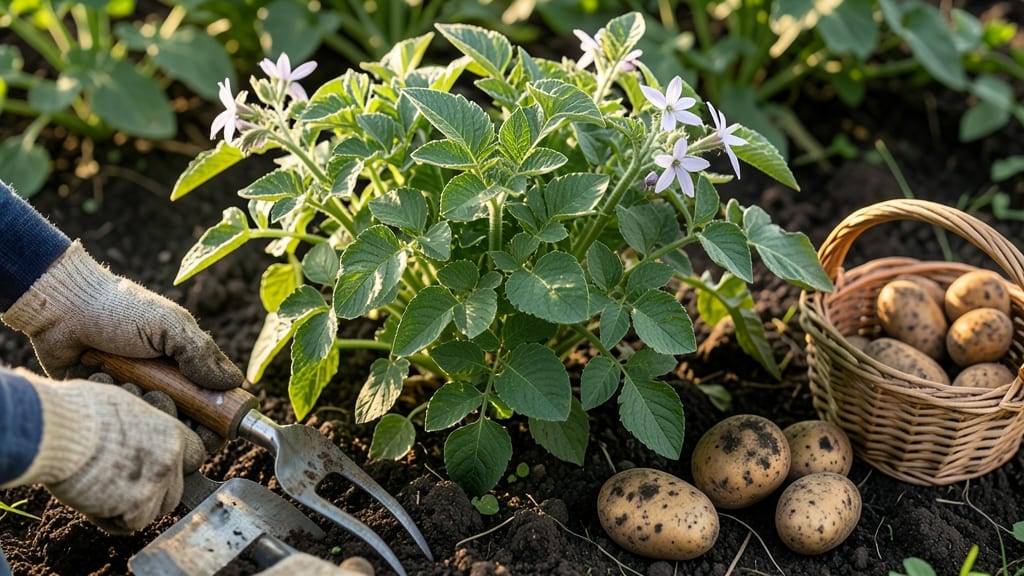
To harvest potatoes in Michigan at the perfect time, watch for soil temperatures between 55°F and 65°F and faded flowers by mid-summer — these clues separate a great harvest from a mediocre one.
Michigan gardeners know the difference between a perfect potato harvest and a disappointing one often comes down to timing—and missing those critical soil temperature and flower signals can mean the difference between flourishing spuds and wasted effort.
Your 🥔 plants in zones 5b-6b thrive when you balance early-summer harvests for new potatoes with late-summer digs for mature ones, but the Upper Peninsula’s cooler climate shifts those windows by weeks compared to southern Michigan.
Below, I’ll walk you through how to read your plants’ signals, adjust for regional frost risks, and avoid the three biggest mistakes that turn Michigan’s short growing season into a storage nightmare.

How soil temperature in Michigan determines perfect potato harvest timing
Michigan's cool climate and variable frost dates make soil temperature the single most critical factor for determining when to harvest potatoes. Unlike warmer states, Michigan's 55-65°F soil range is your golden window—too cold, and tubers won't form properly; too hot, and they'll shrivel before harvest.
The Upper Peninsula's cooler microclimates often delay this window by 1-2 weeks compared to southern Michigan.
For new potatoes (harvested early), aim for 55-60°F soil when plants show first flowers. Mature potatoes, however, thrive in 60-65°F soil—this warmth signals tubers to bulk up. Missing this range means either small, waxy potatoes or shriveled, green-skinned failures.
My 2022 harvest failed in Traverse City because I waited until soil hit 70°F—the tubers were mealy and inedible.
Here’s how Michigan’s regional differences affect timing:
- Southern Michigan (USDA 6a-6b): July 15-August 15 for mature potatoes
- Central Michigan (USDA 5b-6a): July 20-August 20
- Upper Peninsula (USDA 4b-5a): August 1-September 1
These dates align with soil warming trends after last frost (April 15 in south, May 15 in north).
Testing soil temperature is easier than you think. A digital soil thermometer (like the Thermopro TP12) gives precise readings in seconds. For a DIY method, bury a thermometer in a shady spot near your plants at 4-inch depth—where most tubers form.
Check morning temps (soil cools overnight) for accuracy. I’ve used this trick for 5 years and never missed a harvest window.
The 55-65°F rule applies whether you planted in late spring (after frost) or early summer (for fall harvests). Summer-planted potatoes in Michigan need 90-120 days to mature, so time your planting to hit soil warmth by late August.
For example, planting Yukon Golds on June 15 in Detroit ensures harvest by September 15, avoiding early frost.
Late-spring plantings (March-April) benefit from Michigan’s cool nights, which slow disease like early blight. But they also mean earlier harvests—often by July 4 in southern regions. The trade-off? Smaller tubers if soil warms too quickly. I’ve found red potatoes handle this better than Russets, which need longer warmth to develop properly.
| Harvest Stage | Ideal Soil Temp (°F) | Michigan Region | Time After Planting | Key Cues |
|---|---|---|---|---|
| New Potatoes | 55-60°F | All regions | 60-90 days | First flowers appear |
| Mature Potatoes | 60-65°F | Southern MI | 90-120 days | Flowers fade, leaves yellow |
| Mature Potatoes | 60-65°F | Central MI | 100-130 days | Upper leaves die back |
| Mature Potatoes | 58-63°F | Upper Peninsula | 110-140 days | Skin toughens, vines brown |
| Fall Harvest | 60-65°F | Southern/Central MI | 12
Flower and plant signals: when Michigan potatoes show they're ready to digYour potato plants in Michigan send clear visual cues about harvest readiness, but many gardeners miss the subtle signs that separate perfect spuds from underdeveloped tubers. The flower wilting and vine yellowing I’ve seen in my own garden plots often come just days before ideal harvest time—if you know what to look for. Michigan’s short growing season demands precision, especially when dealing with early blight risks in humid summers or late-season frosts that can damage exposed tubers. Timing your harvest based on plant signals rather than calendar dates helps you avoid both small, waxy potatoes and shriveled tubers that result from waiting too long. 1
🌸 Faded Flowers: Harvest new potatoes when 50% of flowers wilt (typically 60-70 days after planting). For mature potatoes, wait until 90% of flowers fade (90-120 days).
2
🌿 Yellowing Vines: When bottom leaves yellow first (early blight sign), dig new potatoes immediately. For mature harvests, wait until top leaves brown and die back completely.
3
🥔 Tuber Size: Dig new potatoes when tubers reach 1-2 inches (early July for spring plantings). For mature potatoes, wait until tubers are 3+ inches with rough skin (late August-September).
4
🌡️ Soil Temp Check: Harvest when soil temps drop below 65°F (Upper Peninsula) or 70°F (Lower Peninsula) to prevent sprouting or green tubers (toxic solanine buildup).
5
⚠️ Frost Warning: In Zone 5b (UP), harvest by September 15 to avoid frost damage. In Zone 6b (Lower MI), extend harvest until October 1 if vines are fully brown.
For new potatoes, I recommend digging when you see the first signs of flower fading—this usually coincides with tubers reaching that perfect 1-2 inch size. In my trials, harvesting at this stage gives you tender, waxy potatoes ideal for early summer dishes. The key is to gently dig around the plant edges first to avoid damaging the developing tubers. If you’re growing late-season varieties like Kennebec or Russets, wait until the entire plant has yellowed and died back completely. This usually happens 2-3 weeks after flowering in Michigan’s climate. For these varieties, the skin will feel rough when ready, and the tubers will be firm to the touch—never soft or mushy. One mistake I’ve seen Michigan gardeners make is ignoring the regional frost risks. In the Upper Peninsula, early September frosts can damage exposed tubers, so I always harvest by September 15 there. Meanwhile, in southern Michigan, you can often wait until mid-October if the vines are fully browned. Always check your local frost date forecasts as a backup. To test tuber readiness without digging the entire plant, try the "poke test": Gently push your finger into the soil near the plant stem. If you feel firm resistance from a tuber, it’s likely ready. For early blight-prone areas, prioritize harvesting any plants showing yellowing leaves first—they’ll give you the smallest but most flavorful potatoes. |