
How To
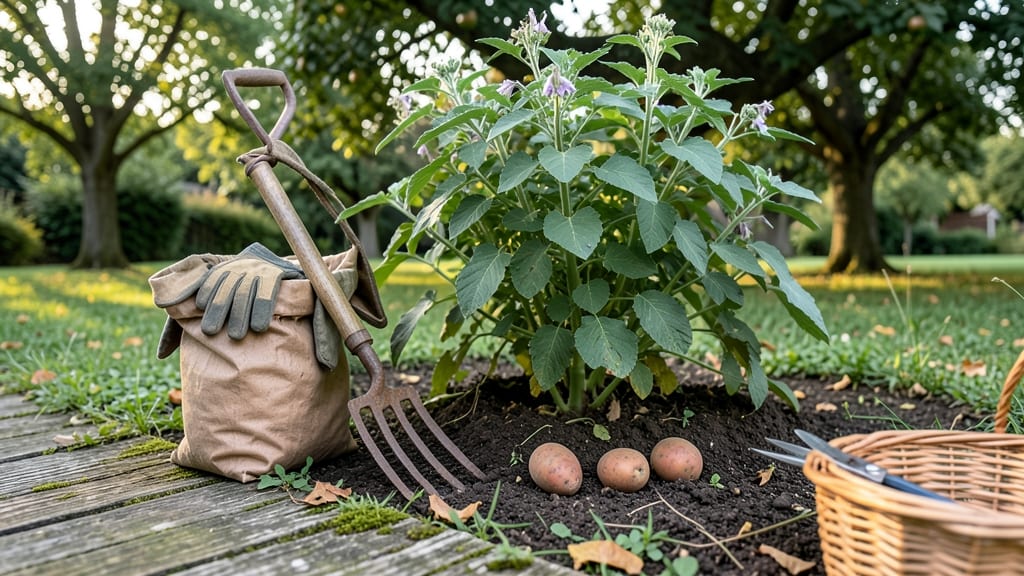
Harvesting potatoes in Texas at the right time means the difference between a bountiful 🥔 haul and wasted effort.
Texas gardeners know timing is everything—harvest too early and you waste energy, too late and you risk spoilage. But with Texas’ unpredictable heat and soil conditions, knowing the exact moment to dig matters more than ever.
Most gardeners rely on days after planting, but Texas’ soil temperatures and clay-heavy dirt change the game. A 50-60°F soil trigger works for baby spuds, while mature tubers need 70-80°F—and that’s before the afternoon sun cranks up.
Here’s how to read your 🥔 plants, test soil without fancy tools, and adjust for Texas’ quirks—so you dig when it counts, not a day too soon or late.

Texas-specific soil temperature triggers for perfect potato harvesting
Texas gardeners face unique challenges when growing potatoes due to our extreme heat and clay-heavy soils. Unlike northern states, where cool temperatures dominate, Texas potatoes thrive in warmer soil but require precise timing to avoid spoilage or stunted growth.
The key lies in understanding soil temperature triggers—not just air temperature—which directly impact tuber development and harvest readiness.
Most gardeners assume potatoes are ready based on days after planting, but in Texas, soil temperature is the real game-changer. New potatoes (harvested early) prefer 50–60°F soil, while mature potatoes (full-size tubers) need 70–80°F soil for optimal starch development.
Our summer heat can push soil temps above 90°F, accelerating growth but also increasing risk of sprouting or rotting if harvested too late.
Here’s the critical insight: Texas’ spring-planted potatoes often reach harvest-ready soil temps by late May to early June, while fall-planted varieties may hit ideal temps as early as September. The difference? Fall-planted potatoes benefit from cooler nights and warmer days, creating a sweeter, higher-yield harvest window.
Testing soil temperature without a fancy thermometer is easier than you think. Stick a meat thermometer (cleaned!)
4–6 inches deep—where most tubers form—or use the "hand test": If the soil feels warm but not hot to your bare hand (like a cozy bath), it’s likely in the 70–80°F range.
For new potatoes, aim for cool mornings (60°F or below) after a heatwave to slow sprouting while keeping tubers tender.
| Harvest Stage | Ideal Soil Temp (°F) | Texas Season | Tuber Size | Key Cue |
|---|---|---|---|---|
| New Potatoes | 50–60°F | Spring (April–May) | Golf-ball to egg-sized | Firm skin, no sprouts |
| Mature Potatoes | 70–80°F | Summer/Fall (June–Oct) | Baseball-sized+ | Stems yellow/brown, dry soil |
| Late Harvest | 60–70°F (cool nights) | Fall (Sept–Nov) | Full-size, cured skin | Leaves fully died back |
| Danger Zone | Above 85°F | Summer (July–Aug) | Any size | Risk of sprouting/rot |
Texas’ clay soils retain heat longer than sandy soils, which can trick gardeners into harvesting too early. To compensate, water deeply 2–3 days before digging to cool the soil slightly and harvest in the morning when temps are lowest.
For container-grown potatoes, soil heats up faster—monitor closely and harvest when soil reaches 65°F to avoid stress.
Pro tip: If your potatoes are planted in raised beds, soil temps will run 5–10°F warmer than in-ground beds. Adjust your harvest window 1–2 weeks earlier for raised beds to avoid overheating. Conversely, shade cloth (30–50%) can extend your
Signs your Texas-grown potatoes are ready to harvest (beyond days after planting)
Counting days after planting works in cooler climates, but Texas' unpredictable heat and clay-heavy soils demand a different approach. Forget rigid timelines—focus instead on visual and tactile cues your plants give you. These signs, adapted for Texas conditions, tell you exactly when to dig without guessing.
Your potato plants will show you they're ready through leaf yellowing patterns and stem behavior. Unlike northern gardens where plants die back completely, Texas' heat often leaves plants partially green even when tubers are perfect for harvest.
Learn to read these subtle signals before your spuds turn to mush in the ground.
- 1. Flowering Stage: When 50-70% of blooms fade, tubers are new-potato ready (60-75 days). Wait until 90% for full-size spuds (90+ days).
- 2. Leaf Color Shift: Lower leaves yellow first in Texas heat—ignore this! Watch for upper leaves curling and browning at edges (sign of tuber maturity).
- 3. Stem Test: Gently grasp stems—if they snap easily (not tear), tubers are ready. Texas' high humidity keeps stems tough longer than northern climates.
- 4. Soil Check: Dig a 6-inch probe—if clay soil clings lightly to tubers (not caked on), they're harvest-ready. Texas clay dries slower, delaying this cue by 1-2 weeks vs. sandy soils.
- 5. Tuber Firmness: Press a tuber through 2 inches of soil—if it resists but gives slightly, it's perfect. Overripe tubers in Texas squish like overcooked mashed potatoes due to heat stress.
Texas' clay-heavy soils play tricks on harvest timing. While northern gardeners might see tubers ready at 75 days, our denser soil can delay maturity by 10-14 days. The soil's moisture retention keeps tubers growing longer, so don't rush—wait until you see consistent color throughout the tuber, not just the skin.
Pro tip: Dig test holes every 5-7 days starting at 60 days after planting. Texas' afternoon heat can fool you—morning is the best time to check for readiness. Look for tubers with firm skins and deep flesh color (not pale or green-tinged from shade).
One common mistake Texas gardeners make? Harvesting when flowers drop completely. While this works in cooler climates, our extended growing season means tubers keep developing. Wait until 90% of flowers have faded and leaves show yellowing from the top down—this signals true maturity in our heat.
Remember: Texas potatoes taste best when harvested at peak firmness. Overripe tubers in our clay soil develop shriveled skins and starchy, mealy interiors. The sweet aroma at the stem base is your final green light—dig immediately when you smell it, especially after afternoon rains when soil softens.