
Vegetables
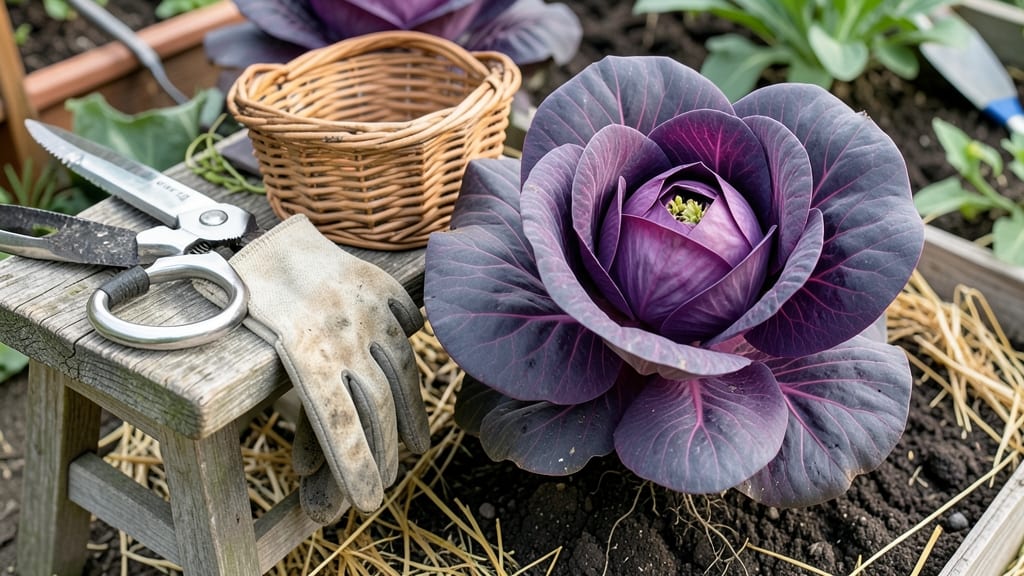
Harvesting purple cabbage 🥬 at the right time ensures the sweetest, crispest flavor—wait until the heads reach 10–12 inches and the stem snaps cleanly when twisted.
Picture this: you’ve nurtured your purple cabbage for months, only to pull it too early and end up with a loose, bitter head. Or worse, you wait too long and watch it split open before you can enjoy it.
Timing is everything, and the difference between a perfect harvest and a wasted crop often comes down to a few simple visual cues.
In Zone 6a, spring-planted purple cabbage is ready by late June or early July, while fall varieties hit their prime in October. But don’t rely solely on the calendar—check for deep purple color, firmness, and that satisfying stem snap.
These signs tell you the moment to act before flavor fades or the head bolts.
Below, I’ll walk you through the exact color shifts, size benchmarks, and the foolproof stem test to guarantee your purple cabbage is harvested at peak sweetness—no guesswork required.

How to identify purple cabbage’s perfect harvest time using color and size
Harvesting purple cabbage 🥬 at the right time transforms a good crop into an exceptional one. The key lies in three simple visual cues: head size, color intensity, and leaf compactness.
When these signals align, you’ve hit the sweet spot for flavor and texture. Let’s break down what to look for and when to act.
Purple cabbage typically reaches harvest readiness between 80–100 days after planting, depending on your climate zone. In Zone 6a, spring-planted varieties are usually ready by late June, while fall crops peak in October.
However, don’t rely solely on the calendar—each plant matures at its own pace, and environmental factors like temperature and sunlight can shift your timeline.
Here’s the golden rule: harvest when the head measures 10–12 inches in diameter. At this size, the cabbage is fully developed but hasn’t yet started to split or bolt.
Smaller heads may still be firm but lack the sweetness and full flavor potential. Larger heads risk becoming loose, bitter, and prone to pests or splitting in hot weather.
Color is one of the most reliable indicators of harvest readiness. A perfectly mature purple cabbage head will boast a deep, vibrant purple hue with just a hint of lighter edges where the leaves meet.
If the color appears pale, uneven, or washed out, the cabbage is likely underripe. On the flip side, if the outer leaves start turning yellow or brown, it’s a sign of overmaturity and declining flavor.
Pay close attention to the outer leaves—they should be crisp and tightly wrapped around the head. When you gently squeeze the leaves, they should spring back rather than flatten. This compactness is a sign that the cabbage is storing energy efficiently and hasn’t yet begun to break down.
If the leaves feel flimsy or the head starts to loosen, it’s past its prime and may develop a bitter taste.
One of the most common mistakes gardeners make is harvesting purple cabbage too early. While it might look appealing, an underripe head will be loose, watery, and lack the sweetness that develops as the cabbage matures.
Conversely, waiting too long risks the head splitting open, especially in hot weather, or attracting pests like cabbage worms. The goal is to strike that balance where the cabbage is fully developed but hasn’t yet peaked.
To avoid these pitfalls, I recommend checking your purple cabbage heads every 2–3 days as they approach maturity. Use a small notebook to track the size and color of each head—this habit helps you spot the subtle changes that signal harvest time.
For example, you might notice that one head reaches the ideal size a week before another, even if they were planted on the same day.
Regional variations also play a role in harvest timing. In cooler climates like Zone 6a, fall-planted cabbage may take longer to mature due to shorter daylight hours. Conversely, in warmer zones, cabbage can bolt prematurely if exposed to heat stress.
If you’re growing purple cabbage in less ideal conditions, consider using shade cloth during peak summer months to protect the plants and encourage even maturation.
Finally, remember that the stem snap test is your final quality check before harvesting. A crisp, clean snap indicates the cabbage is at its peak flavor and texture. If the stem bends or breaks with a dull sound, it’s not ready yet.
This simple test, combined with the visual cues of size and color, ensures you’ll always harvest purple cabbage at its absolute best.
The stem snap test: a pro gardener’s trick for determining peak flavor
When your purple cabbage 🥬 reaches the perfect size but you’re still unsure if it’s ready, the stem snap test is my go-to trick. This simple method reveals whether the head is packed with flavor or still developing.
Unlike color or size alone—which can be misleading—this test gives you an instant answer by testing the stem’s crispness and structural integrity.
Here’s how it works: grasp the outer leaves near the base and gently twist the stem. A clean snap with a crisp sound means the head is ready to harvest.
If the stem bends or breaks with a dull sound, it’s not quite time—keep nurturing those leaves for another week or two.
Why does this work? The stem’s crispness correlates directly with the head’s water content and sugar levels. A firm, snappy stem means the cabbage has absorbed enough moisture and nutrients to develop its signature sweetness.
This test is especially useful for fall-planted cabbage, which can mature unevenly due to cooler temperatures.
For spring harvests in Zone 6a, pair the snap test with the 80-day rule. If your cabbage hasn’t snapped crisply by day 80, check for nutrient deficiencies or pest damage, which can delay maturity.
A dull snap here often signals the plant needs more potassium-rich fertilizer or consistent watering.
Don’t overlook the leaf tightness either. When the outer leaves hug the head snugly and the stem snaps cleanly, you’ve hit the sweet spot. This combo ensures you’re harvesting at the peak of flavor—just before the head starts to loosen or split.
Trust me, your taste buds will thank you!
Next time you’re debating whether your purple cabbage is ready, skip the guesswork. Grab that stem, give it a twist, and let the crisp snap be your guide. It’s the secret weapon behind my garden’s most flavorful harvests every season!