
How To
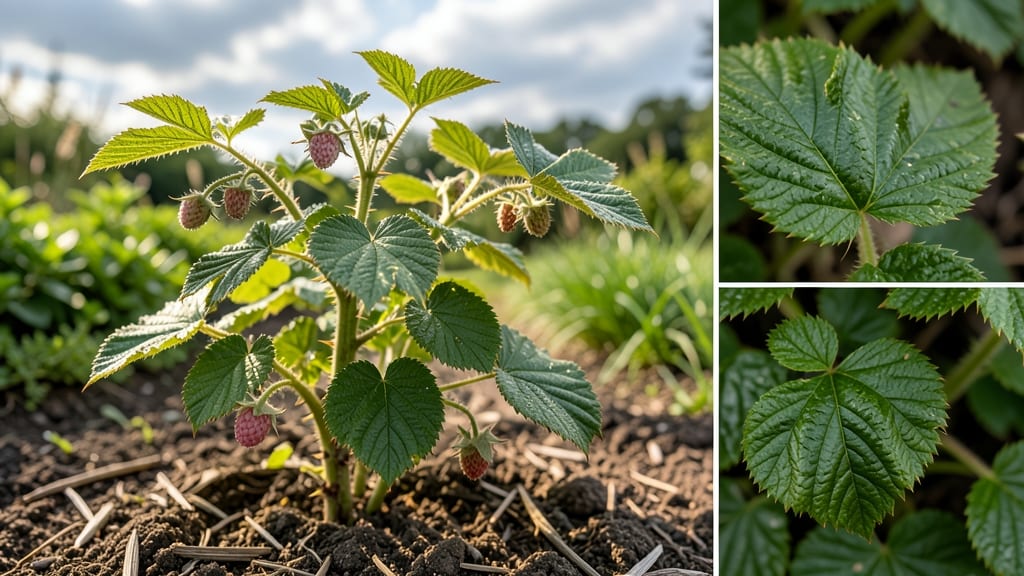
Harvesting raspberry leaves at the right time means capturing their peak flavor and medicinal benefits—before they toughen up or start fruiting.
If you’ve ever plucked a raspberry leaf only to find it bitter or leathery, you know timing is everything. The secret lies in early spring, when young shoots are still tender and bright green 🍇 — but how do you know exactly when they’re ready?
Most gardeners miss the window because they focus on the wrong cues: size, color, or even the calendar. Instead, the three key tests are leaf tenderness, color shifts, and cane flexibility—each one a clue that your harvest is about to get a whole lot easier.
Below, I’ll walk you through how to spot the perfect leaves, when to avoid harvesting (yes, there’s a wrong time!), and how to do it without hurting your plant’s future berry crop.

3 Leaf color tests to perfectly time raspberry leaf harvesting
Harvesting raspberry leaves at the right time ensures the best flavor, texture, and nutritional value. Unlike the berries themselves, raspberry leaves are best picked when they’re young and tender.
I’ve learned from experience that waiting too long turns those delicate leaves into tough, fibrous messes—completely unfit for teas or culinary use. The key lies in three simple leaf color tests that reveal the perfect harvest window.
First, focus on the young shoots emerging in early spring. These are your goldmine for harvesting. The leaves should be fully unfurled but still maintain a light green hue, almost translucent when held up to the light.
This indicates they’re packed with nutrients but haven’t yet developed the tough, waxy coating of mature leaves. Think of them like baby spinach—delicate and full of potential.
Next, pay attention to the color transition from pale to deep green. Immature leaves start as a soft, almost yellow-green color. As they mature, they darken to a richer green. The sweet spot? When they’re a vibrant medium green—neither too pale nor too dark.
This stage guarantees the best balance of flavor and tenderness. I always test a few leaves by gently pinching them; if they snap cleanly, they’re ready.
The third test is the tenderness check. Run your thumb along the leaf’s edge—it should feel slightly soft, almost velvety. Mature leaves develop a leathery texture that’s nearly impossible to tear by hand.
This toughness is your cue to stop harvesting from that particular shoot. Remember, raspberry plants are perennial, so they’ll produce new growth year after year if you harvest responsibly.
To put these tests into practice, I recommend harvesting on a cloudy morning when leaves are hydrated and at their peak tenderness. Avoid picking after rain, as the leaves can become waterlogged and develop a bitter taste.
Always use clean, sharp pruning shears or your fingers to snip just above a leaf node. This encourages the plant to produce more leaves without damaging the cane.
One common mistake I see is harvesting leaves with flower buds or early fruit. These leaves taste bitter and are less nutritious. Always inspect the shoot before harvesting—if you spot even a tiny bud, move on to another shoot.
The goal is to gather leaves that are purely vegetative, not reproductive. This ensures your harvest stays mild and flavorful.
Another pro tip: Harvest from the outer canes first. These are the oldest and have already produced fruit, so removing their leaves won’t impact the plant’s ability to fruit in the current season.
Save the inner canes for next year’s harvest. This method keeps your raspberry patch productive while giving you a steady supply of fresh leaves.
If you’re new to harvesting raspberry leaves, start small. Pick just a few leaves from each plant to test their flavor and texture. This helps you get a feel for the ideal harvest window in your specific climate.
Over time, you’ll develop an instinct for when the leaves are at their best. And remember, the earlier you harvest in the season, the more tender and flavorful the leaves will be.
Finally, store your harvested leaves properly to preserve their freshness. Rinse them gently in cool water, pat dry, and store in a paper towel-lined container in the refrigerator. They’ll stay crisp for up to a week, perfect for making raspberry leaf tea or adding to salads.
With these color tests and a little practice, you’ll be harvesting like a pro in no time! 🍃
Best time of year and seasonal factors for harvesting raspberry leaves
Timing your raspberry leaf harvest depends on two critical factors: seasonal cues and climate conditions. In most regions, the ideal window opens in early spring, just as new canes emerge but before flowering begins.
This timing ensures you capture the youngest, tenderest leaves packed with nutrients and minimal bitterness.
For gardeners in cold climates (USDA Zones 3-6), the harvest window typically runs from late March to early May, aligning with the last frost date.
Warmer regions (Zones 7-10) can start harvesting as early as February, but always wait until nighttime temperatures stay above 40°F (4°C) to avoid frost damage.
Rainfall plays a surprising role in leaf quality. Overly wet conditions can dilute nutrients and make leaves prone to fungal issues, while drought stress causes bitterness. Aim to harvest after a light rain when leaves are hydrated but not waterlogged.
If your area experiences prolonged dry spells, water the plants 24 hours before harvesting to restore tenderness.
| Season | Climate Zone | Ideal Harvest Window | Rainfall Consideration |
|---|---|---|---|
| Early Spring | Zones 3-6 | Late March - Early May | After light rain, avoid frost |
| Early Spring | Zones 7-10 | February - March | Moderate moisture, no drought |
| Late Spring | All Zones | May (if missed earlier) | Avoid waterlogged soil |
Never harvest raspberry leaves in late spring or summer—this is when the plant shifts energy to fruit production. Leaves harvested during this time become tough, fibrous, and bitter, ruining their flavor and medicinal properties.
If you miss the early spring window, your best bet is to wait until next year rather than compromising quality.
Pro tip: Mark your calendar based on your last frost date. In most regions, this falls around mid-April, giving you a 4-6 week window before flowering begins.
For example, if your last frost is April 15th, start scouting for harvest-ready leaves around March 15th and continue until April 30th.
One final seasonal factor to watch: daylight hours. Raspberry leaves grow fastest when days are lengthening (after the winter solstice). This natural boost in growth means leaves harvested in March-April will be 20-30% more tender than those picked later in the year.
Use this to your advantage by planning your harvest during the plant’s most vigorous growth phase.