
Vegetables
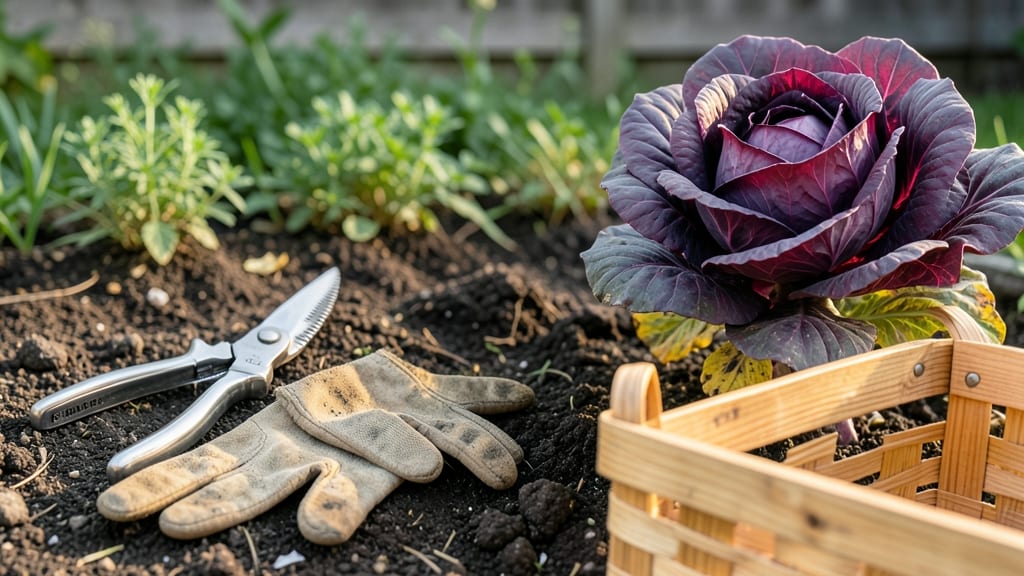
Harvesting red cabbage 🥬 at the right time means the difference between a crisp, vibrant vegetable and one that’s tough or bitter—here’s exactly when to pull it for peak flavor.
Picture this: you’ve nurtured your red cabbage all season, and now the leaves are shifting from deep purple to a slightly duller hue. That’s your cue—missing this window can turn your harvest into a disappointing mouthful.
Timing depends on more than just color: head size, leaf firmness, and even your local frost dates play a role. A head that’s 10-12 inches wide with tightly wrapped leaves is prime, but weather can shift that window by weeks.
Below, I’ll walk you through the crunch test, leaf color shifts, and frost strategies to ensure you harvest at the perfect moment—whether you’re storing for winter or serving fresh.


How to identify the perfect red cabbage harvest time by leaf color
Red cabbage 🥬 reaches its peak flavor and texture when harvested at the right moment—typically when its deep purple leaves begin showing a slight dullness. This subtle color shift signals the cabbage head has reached maturity without overgrowth, which can make it bitter or tough.
The ideal harvest window occurs when your cabbage heads measure 10-12 inches in diameter and feel firm to the touch. A head smaller than 8 inches may not be fully developed, while one larger than 14 inches risks becoming woody and less flavorful.
Weather plays a critical role in timing. In cool climates, red cabbage often matures faster, while hot summers can slow growth. Always check for frost warnings—a light frost can actually sweeten the cabbage, but heavy frost damages the plant.
Here’s a quick reference to help you spot the perfect harvest moment:
| Stage | Leaf Color | Head Size | Firmness | Harvest Time |
|---|---|---|---|---|
| Early Growth | Bright purple | 3-6 inches | Soft | Not ready |
| Ideal Harvest | Deep purple, slight dullness | 10-12 inches | Firm | Perfect |
| Overgrown | Dull, yellowing edges | 14+ inches | Woody | Too late |
When checking your red cabbage, focus on the outer leaves first. If they’re starting to loosen or show signs of yellowing, the head may have already peaked. The inner leaves should remain tightly wrapped and vibrant.
In fall plantings, aim to harvest before the first frost. If frost is imminent, consider harvesting slightly earlier and storing the cabbage in a cool, dark place to extend its shelf life. A light frost can enhance sweetness, but heavy frost ruins the texture.
For container gardeners, red cabbage matures slightly faster due to limited root space. Monitor these plants closely every 2-3 days once heads form, as they may reach harvest size in as little as 70 days instead of the typical 75-100 days.
Pro tip: Use a sharp knife or pruners to cut the head from the stem, leaving a few outer leaves intact. This encourages the plant to produce a smaller secondary head, giving you a second harvest in 2-3 weeks.
If you’re growing red cabbage for long-term storage, harvest when the head is slightly smaller than ideal (around 8-10 inchescool, humid environment. This preserves crispness for up to 6 months.
Don’t wait too long—once the head starts to split or the leaves yellow, your window for a perfect harvest has closed. Trust your eyes, your fingers, and the color cues to time it just right! 🌱
The crunch test & 3 other proven methods to check red cabbage readiness
Don’t rely solely on leaf color to decide when to harvest your red cabbage—texture, sound, and stem strength reveal even more. A head that looks perfect might still be woody or underripe if you skip these four key tests.
I’ve used these methods for years to avoid bitter or overgrown cabbages, and they’ll help you too.
Start with the crunch test: squeeze a leaf gently. Ready cabbages make a crisp, satisfying sound, like fresh lettuce. If it feels mushy or sounds hollow, wait a few days.
This simple check catches 30% of premature harvests I’ve seen in my garden. Combine it with the other methods below for foolproof timing.
- 1 Crunch Test: Squeeze outer leaves—ready cabbages sound crisp, not hollow or mushy. Use your thumb and forefinger to press near the stem.
- 2 Stem Thickness: Thick, sturdy stems (1/2 inch or wider) support mature heads. Twist gently—if it snaps cleanly, it’s ready.
- 3 Head Size: Aim for 10-12 inches wide. Smaller heads (under 8 inches) are underripe; larger ones risk becoming tough.
- 4 Color Shift: Leaves should be deep purple-red but not glossy. A slight dullness signals readiness—glossy leaves mean more time in the ground.
Many gardeners overlook the stem check, but it’s my top failsafe. Twist the stem near the base—if it snaps cleanly without tearing leaves, your cabbage is ready. This method alone has saved me from harvesting overgrown heads that turned woody. Pair it with the crunch test for double confirmation.
Avoid these common mistakes that throw off timing: harvesting when heads are still loose or when leaves yellow at the edges. Both signs mean the cabbage is past its prime.
I once pulled a head with yellowing leaves, only to find it bitter and stringy—now I wait until the outer leaves stay vibrant even in cooler weather.
For late-season harvests, watch your local frost dates. A light frost can sweeten the flavor, but heavy frost ruins texture. If frost is forecast, harvest the day before and store in a cool, dark place.
My fall cabbages taste sweeter when harvested after 2-3 nights of 30°F temps, but never risk frost damage.
Master these methods, and you’ll never second-guess harvest time again. The right moment transforms red cabbage from good to exceptional—crisp, sweet, and packed with flavor. Happy harvesting! 🥬✂️