
How To
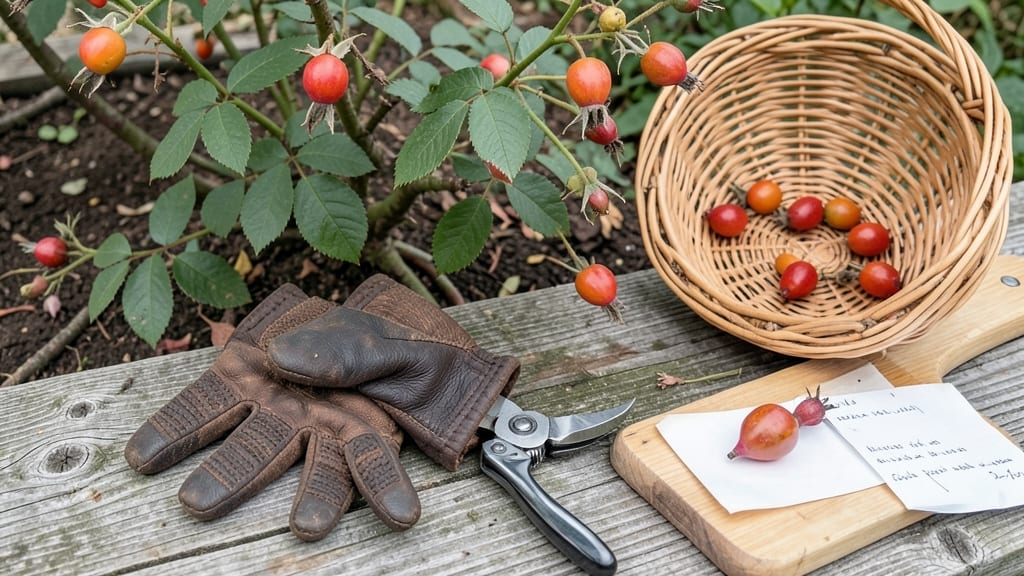
Harvest rose hips when they turn deep red, orange, or yellow 🌹 and feel firm but slightly soft to the touch — that’s the sweet spot for flavor and seed potency.
Timing the harvest of rose hips perfectly ensures you get the most potent seeds and hips for tea, jam, or natural remedies—but get it wrong, and you risk bitter flavors or underripe seeds. Here’s how to master the art of harvesting rose hips at their peak.
Most gardeners in USDA Zone 6a can start checking hips in early September, but a hard frost can speed up ripening. The key is watching for vibrant color and a slight give when pressed—ignore the calendar and trust the plant’s cues.
Below, I’ll walk you through the exact color and texture signals to look for, how to test seed readiness, and the best storage methods to keep your harvest fresh for months.

How to identify the perfect harvest time by rose hip color
Harvesting rose hips at the right time ensures maximum flavor, nutrient content, and seed potency. The most reliable indicator is color change—when hips transition from green to vibrant red, orange, or yellow, depending on the variety.
This shift signals full ripeness, but timing can vary by climate, sunlight exposure, and whether you're growing wild vs. cultivated roses.
In cooler climates like USDA Zone 5-6, hips typically ripen between late September and October, while warmer zones (Zone 7+) may see harvests as early as mid-September. Sunlight exposure also plays a role—hips on south-facing branches often ripen first due to more direct light.
Always check both shaded and sunny sides of your rose bushes for consistency.
Here’s a quick color guide to help you determine ripeness at a glance:
| Hip Color | Ripeness Stage | Harvest Readiness | Notes |
|---|---|---|---|
| 🟢 Green | Unripe | Not ready | Hard, underdeveloped seeds |
| 🟡 Light Orange/Yellow | Partially Ripe | Wait 1-2 weeks | Skin softens slightly; seeds forming |
| 🔴 Deep Red/Orange | Fully Ripe | Harvest now! | Plump, slightly soft; seeds fully formed |
| 🟤 Purple-Black | Overripe | Avoid | Skin wrinkled; seeds may sprout |
🌹 Pro Tip: Wild roses (like Rosa rugosa) often ripen earlier than hybrid teas.
For wild roses, such as Rosa canina or Rosa rugosa, hips tend to ripen 2-3 weeks earlier than cultivated varieties. These species thrive in cooler, coastal climates and may produce hips that are brighter orange or yellow when fully ripe.
If you're unsure, pick a few hips and perform a seed hardness test—we’ll cover that in the next section!
Climate also affects timing: Southern gardeners in Zone 8+ might see hips ripen by early September, while Northern growers (Zone 4-5) could wait until mid-October. A frost warning is your cue to harvest immediately—even if hips aren’t fully colored, they’ll ripen indoors if picked early.
Place them in a cool, dry spot (like a paper bag) to finish ripening over 1-2 weeks.
Sunlight exposure is another critical factor. Hips on branches with full sun exposure (6+ hours daily) will ripen 1-2 weeks ahead of those in partial shade. If your roses are in a shady garden, prioritize harvesting hips from the sunniest branches first.
For container-grown roses, move pots to a sunnier location in late summer to accelerate ripening.
One common mistake is harvesting hips based solely on calendar dates. Instead, focus on visual cues: a ripe hip should feel plump and slightly soft when gently squeezed (like a very firm plum).
If it’s hard and green, it’s not ready; if it’s wrinkled or mushy, it’s overripe. For medicinal use, aim for hips that are deep red or orange—these contain the highest levels of vitamin C and antioxidants.
Regional variations also matter. In Pacific Northwest climates, hips may ripen later due to cooler, damp summers, while Southwest gardens often see earlier harvests thanks to longer, hotter summers.
Keep a harvest journal to track ripening patterns in your specific area—this helps you predict future harvests with precision. Over time, you’ll notice patterns tied to rainfall, temperature swings, and even local microclimates.
Finally, don’t overlook the detachment test: a ripe hip should pop off the stem easily with a gentle twist. If it resists, it’s not ready. For large-scale harvesting, use sterilized pruning shears to avoid damaging the plant.
Always harvest on a dry morning to prevent mold—this is especially important if you plan to dry or store the hips for later use.
Testing seed hardness: the ultimate ripeness check for rose hips
Once your rose hips reach their vibrant deep red, orange, or yellow hues, the next step is testing their seed hardness—this simple method reveals whether they’re truly ripe or still developing. I’ve found this squeeze test saves me from harvesting bitter or underdeveloped hips every season.
The seed hardness test combines three key checks: firmness, visual cues, and even a subtle sound test. Mastering these will help you pick hips at their peak, whether you’re saving seeds or preparing them for tea and jam.
Let’s break down each step so you can confidently harvest like a pro.
⚠️ Warning: Harvesting Too Early or Too Late
Premature hips (green or partially colored) will be hard as rocks and lack sweetness, while overripe hips (soft and mushy) spoil quickly. The 3-day window between perfect ripeness and spoilage is critical—miss it, and you’ll waste your harvest. Always test 3-5 random hips from different branches to account for variability.
Start by gently squeezing a rose hip between your thumb and forefinger. A ripe hip should feel firm but slightly yielding, almost like a plump grape. If it’s too hard, it’s not ready—wait 3-5 days and retest.
If it feels too soft, it’s overripe and best used immediately or discarded to avoid mold.
Next, examine the seed cavity by slicing one hip open lengthwise. Fully ripe seeds should be plump, dark brown, and fully formed—they’ll look like tiny pebbles inside.
If the seeds are shriveled or pale, the hip isn’t ready yet. Pro tip: Smell the seeds—ripe ones have a faint earthy, slightly sweet aroma.
For the sound test, give the hip a light tap on a hard surface. A ripe hip emits a hollow, slightly dull thud, while an unripe one sounds crisp and sharp.
This trick works best with larger hips from varieties like Rosa rugosa or Dog Rose. Smaller hips may not produce a noticeable sound, so rely more on the squeeze and visual checks.
Different rose varieties ripen at slightly different rates, so adjust your timing accordingly. Wild roses often ripen 1-2 weeks earlier than cultivated varieties like ‘The Fairy’ or ‘Orange Globe’. If you’re growing multiple varieties, test hips from each separately—never harvest all at once unless they’re uniformly ripe.
Once you’ve confirmed ripeness, harvest early in the morning when the hips are cool and firm. Use clean pruning shears to snip the stems, leaving a ½-inch stem attached.
Store them in a paper bag in the fridge for up to 2 weeks before processing, or dry them immediately for long-term storage.