
How To
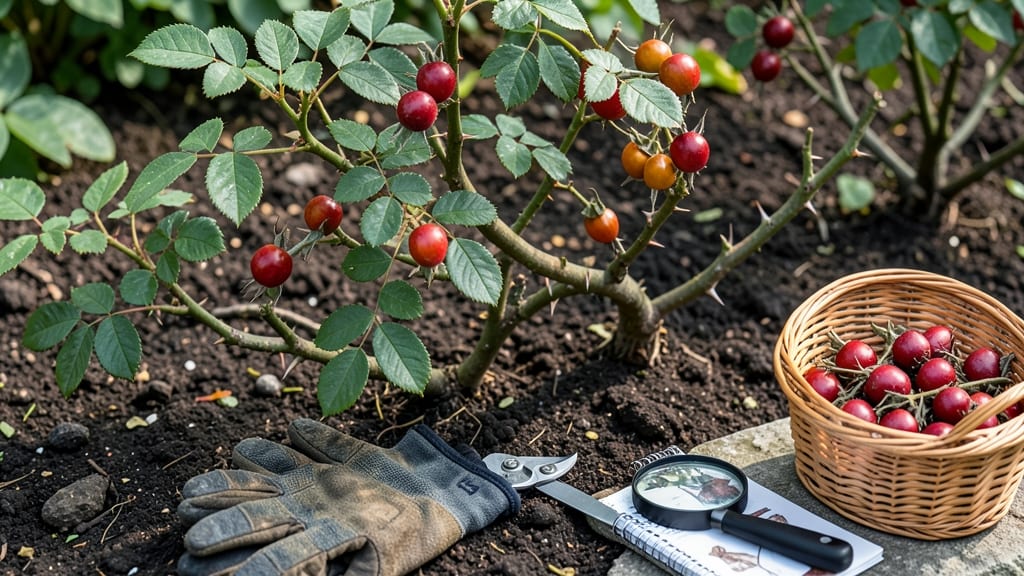
Harvest rosehips when they’ve turned deep red or orange and feel firm to the touch 🌹—that’s the sweet spot for maximum vitamin C and flavor.
Timing your harvest perfectly ensures maximum vitamin C, antioxidants, and flavor—but miss the window, and you’ll end up with bitter, underripe (or worse, overly tough) fruit.
In Zone 6a, that’s typically between late September and November, when the hips swell and the petals drop naturally. If you wait too long, the skin toughens, and the seeds harden, making them less nutritious.
Below, I’ll show you how to test for ripeness, avoid common mistakes, and even store your harvest for teas, jams, or ornamental displays.

How to identify the perfect rosehip harvest time using color and texture
Harvesting rosehips at the right moment transforms them from tart and tough to sweet, nutrient-packed gems packed with vitamin C and antioxidants. The key lies in watching for two critical cues: color shifts and seed softness.
When you miss this window, you risk bitter flavors or hard seeds that ruin your harvest. Let’s break down the exact visual and tactile clues to pick rosehips at their peak.
Rosehips start green and firm, then gradually swell and darken as they ripen. The transition from green to deep red, orange, or yellow signals readiness—but timing varies by variety and climate.
In cooler regions, this shift happens earlier (late September), while warmer climates may extend harvest into November. Always check individual rosehips rather than relying on the whole bush’s color.
🌹 Rosehip Harvest Readiness Guide
| Stage | Color | Texture | Seed Softness | Harvest Time |
|---|---|---|---|---|
| Unripe | Green | Firm but small | Very hard | Avoid |
| Partially Ripe | Greenish-red | Slightly swollen | Firm but yielding | Wait 1-2 weeks |
| Fully Ripe | Deep red/orange/yellow | Firm and glossy | Slightly soft inside | Harvest now! |
| Overripe | Dull brown | Soft and wrinkled | Mushy seeds | Discard |
The seed softness test is your secret weapon for precision harvesting. Gently squeeze a ripe rosehip—if the skin gives way slightly but the seeds inside feel slightly soft (not mushy), it’s ready.
Overripe rosehips will feel wrinkled and hollow when squeezed, while underripe ones stay rock-hard. This tactile check beats guessing by color alone, especially on cloudy days when hues appear muted.
Don’t overlook the petal check: fully ripe rosehips will have shed their petals naturally. If petals linger, the fruit likely needs more time. Pro tip: Harvest on a dry morning after dew has evaporated.
Wet rosehips bruise easily and lose nutrients faster. Use clean, sharp pruning shears to snip stems cleanly, leaving a small portion attached to preserve the fruit’s integrity.
Regional climate plays a role—rosehips in Zone 5 or colder may ripen earlier due to shorter growing seasons, while Zone 8+ gardens can extend harvests into December. Always monitor a few rosehips weekly starting in late August to track progress.
If a hard frost threatens before harvest, pick what you can and store in the fridge to slow ripening.
Once harvested, store rosehips in a paper bag in the fridge for up to 2 weeks. They’ll continue ripening slightly, intensifying flavor and nutrient content. For long-term storage, freeze them whole or dry them in a dehydrator at 135°F (57°C) for 6-8 hours.
Dried rosehips keep for months and make excellent tea or jam—just remember, the earlier you harvest, the higher the vitamin C content.
If you’re unsure, harvest a small batch to test. Cut one open and taste: sweet, tangy flavors mean success, while bitter or sour notes signal they need more time.
This hands-on approach ensures you’ll never waste a crop again. With practice, you’ll train your eye to spot the perfect rosehip in seconds—no guesswork needed.
🌿 Remember, the best rosehips are those picked at the peak of ripeness, balancing color, texture, and seed softness. Master these cues, and you’ll enjoy the richest flavors and highest nutrient yields from your garden every season.
Rosehip harvesting mistakes that waste your crop (and how to avoid them)
Harvesting rosehips at the wrong time can turn your nutrient-rich bounty into bitter, tough disappointment. Many gardeners make avoidable mistakes—like picking too early for low vitamin C or too late for hard seeds—that waste their entire crop. Understanding these pitfalls will help you maximize yield and storage life.
One of the biggest mistakes is harvesting green rosehips. These contain minimal antioxidants and flavor, leaving you with bland, underripe fruit. Meanwhile, waiting too long results in overly tough skins and seeds that refuse to soften, making them unusable for jams or teas.
Even weather conditions—like frost or heavy rain—can ruin your harvest if ignored.
Never harvest rosehips when they're still green or partially formed. Wait until they turn a deep red, orange, or yellow and feel firm but slightly soft when gently squeezed. Harvesting too early means low vitamin C, while waiting too long leads to hard seeds and tough skins.
Check for natural petal drop—this signals maturity. Avoid harvesting after the first light frost, as cold temperatures can spoil the fruit.
Another common error is ignoring regional climate variations. In warmer climates like USDA Zone 8-10, rosehips may ripen earlier (late August to September), while in cooler zones (Zone 4-6), they peak in October or November.
Always monitor your local first frost date—harvesting too close to frost can damage the fruit.
Pro tip: Use the seed softness test to confirm ripeness. Squeeze a rosehip gently—if the seeds inside give slightly (but aren’t mushy), it’s ready. Overripe rosehips will have shriveled skins and hard seeds, making them useless for culinary or medicinal uses.
Store harvested rosehips in a cool, dry place (like a paper bag) to preserve freshness for up to 2 weeks.
To maximize yield, harvest in the morning after dew has dried. This reduces moisture buildup, which can cause rot. Use clean pruning shears to avoid tearing the stems, and wear gloves—some rosehips have tiny prickles that can irritate skin.
Always leave a few rosehips on the plant to ensure next year’s flowering and fruiting.
Finally, avoid overcrowding your harvest containers. Overpacking can crush delicate rosehips, leading to spoilage. Instead, spread them out in a single layer on a tray before drying or storing. With these tips, you’ll turn every harvest into a nutrient-packed success—no wasted crop in sight! 🌹