
How To
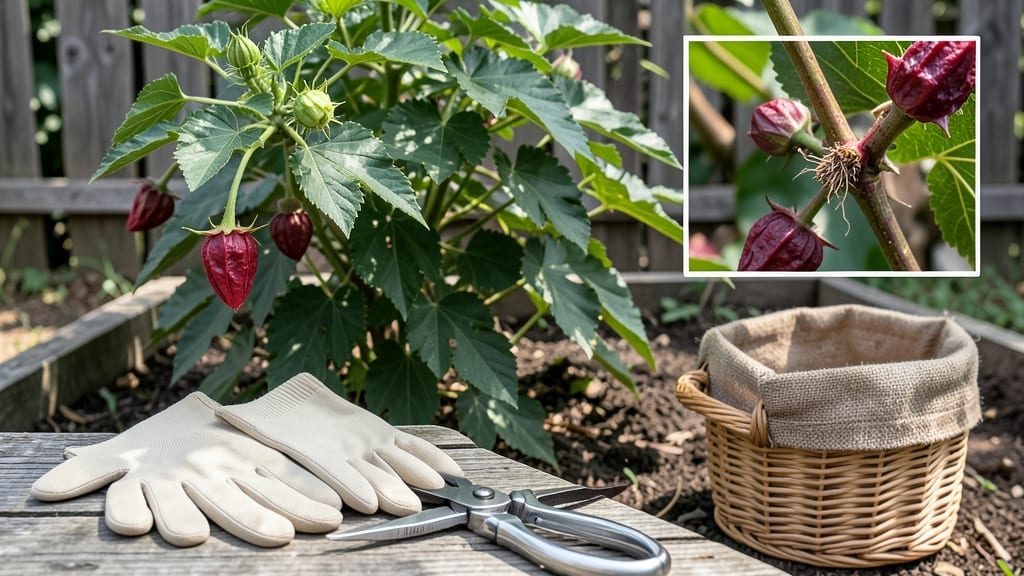
Harvesting roselle at the right time ensures its signature tartness and tender fibers—wait too long, and you’ll end up with tough, bitter calyces that ruin your tea or stew.
Picture this: your roselle plant 🌿 is thriving in USDA Zone 9a-11, but you’re staring at those deep red calyces, wondering if they’re ready or just showing off. One wrong snip, and you’ve missed the 6-8 month window when flavor peaks.
The good news? There’s a simple way to tell when these vibrant pods are at their best.
You don’t need a degree in botany—just your fingers and eyes. A fully open calyx with a deep red or purple hue (not green or partially closed) is your first clue.
But there’s more: the pods should snap cleanly when gently twisted, not squish like overripe fruit. Miss these cues, and you’ll either get bland or fibrous results.
Below, I’ll walk you through the three tactile tests that guarantee you harvest roselle at its peak—plus how to handle and store it afterward for the best flavor in every cup or dish.

3 Tactile tests to determine roselle harvest readiness
Harvesting roselle at the right moment ensures peak tartness and optimal fiber texture. Unlike many plants, roselle doesn’t rely on size alone—it’s all about color, firmness, and seed development.
If you’ve ever picked roselle too early and ended up with bland, underdeveloped calyces, these tactile tests will help you nail the timing every time.
The key to harvesting roselle lies in three simple but effective physical assessments. Each test—calyx color, pod firmness, and seed development—gives you a clear signal that your roselle is ready.
Master these, and you’ll never miss the perfect harvest window again. Let’s dive into the hands-on methods that will transform your garden into a tart, fiber-rich roselle powerhouse.
-
1
Calyx Color Test
Deep crimson-red or purple calyx with no green remaining. -
2
Pod Firmness Test
Gently squeeze calyx—it should feel firm but slightly yielding, like a ripe tomato. -
3
Seed Development Test
Open calyx to check small, hard seeds (size of a pinhead or smaller).
Start with the calyx color test, which is your first visual cue. A roselle calyx that’s deep red or purple is a dead giveaway that it’s ready for harvest. Look for no green remnants on the edges—this indicates the calyx has fully matured.
If you see even a hint of green, hold off for another 2-3 days to let it develop further.
Next, perform the pod firmness test by gently squeezing the calyx between your thumb and forefinger. A perfectly ripe roselle should feel firm but slightly soft, almost like the texture of a ripe avocado.
If it’s too hard, it’s overripe and the fibers will be tough. If it’s too soft, it’s underripe and won’t have that signature tart kick.
The seed development test is often overlooked but crucial. Open the calyx and peek inside—you’re looking for tiny, hard seeds about the size of a pinhead. If the seeds are larger or soft, the calyx has passed its prime.
This test ensures you’re harvesting roselle at the peak of tartness without the bitterness that comes with overripe pods.
Combine these three tests for the most accurate results. For example, if your roselle calyx is deep red but feels too soft, wait another day. Conversely, if it’s firm and red but the seeds are oversized, it’s time to harvest immediately.
This multi-sensory approach eliminates guesswork and guarantees a bountiful harvest.
Timing your harvest correctly also depends on your climate zone. In tropical regions, roselle may mature faster due to longer daylight hours, while in temperate zones, cooler temperatures can slow development. Always adjust your tactile tests based on local conditions—don’t rely on a strict timeline.
Once you’ve confirmed your roselle is ready, harvest by twisting the calyx gently from the stem. Avoid cutting to prevent damage to the plant. Store harvested roselle in a cool, dry place for up to 2 weeks or dry the calyces for long-term storage.
Proper handling after harvest preserves that bright tartness you’ve worked so hard to achieve.
Practice these tactile tests a few times, and you’ll develop an instinct for knowing when roselle is at its best. Before you know it, you’ll be harvesting flavor-packed calyces like a pro—ready to use in teas, jams, or savory dishes. Happy harvesting! 🌱
Best harvesting practices for roselle tartness & fiber quality
Once you’ve identified your roselle calyces are ready using the tactile tests, the next step is harvesting them with care to preserve their tartness and fiber quality. The wrong technique can bruise the delicate pods or introduce contaminants, ruining your harvest.
I’ve learned that using clean, sharp tools and proper handling makes all the difference between a flavorful batch and a disappointing one.
Start by selecting a dry, sunny morning for harvesting—this ensures the calyces are at their firmest and reduces moisture-related spoilage. Avoid harvesting after rain, as damp calyces are prone to mold.
Grab a pair of sterilized pruning shears or sharp scissors, and cut the calyces just above the first set of leaves where they meet the stem. This method prevents damage to the plant and encourages more blooms.
Here’s how to handle them post-harvest to keep their vibrant color and crisp texture intact:
-
Step 1: Gently Detach Calyces
Twist or snip the calyces without pulling to avoid tearing the delicate fibers. Place them in a paper bag or breathable container to prevent bruising.
-
Step 2: Rinse (If Needed)
If your roselle was grown in pesticide-free conditions, rinse briefly under cool water to remove dirt. Pat dry immediately with a clean towel to prevent mold.
-
Step 3: Sort by Quality
Discard any damaged, wilted, or discolored calyces. Store only the deep red/purple, firm pods in a separate container for optimal flavor.
-
Step 4: Store Properly
For short-term use (1-2 weeks), refrigerate in a paper bag with a damp cloth to retain moisture. For long-term storage (months), dry them in a well-ventilated, shaded area for 3-5 days.
-
Step 5: Freeze for Freshness
Freeze calyces in airtight bags or containers for up to 6 months without losing tartness. Blanch them first (dip in boiling water for 30 seconds) to preserve color and texture.
If you’re drying roselle for tea or stews, spread the calyces on a screen or mesh rack in a dry, dark place for 3-5 days. Stir them occasionally to ensure even drying. Once fully dry, they’ll shrivel and darken—this is normal and indicates they’re ready for storage.
Store dried roselle in airtight jars away from direct light to maintain flavor for up to a year.
Pro tip: Label your storage containers with the harvest date to track freshness. Roselle loses its tartness over time, so use the oldest batches first. Whether you’re making hibiscus tea or adding to soups, proper harvesting and storage ensure every bite or sip is packed with flavor.
Remember, the key to roselle success is consistency—harvest regularly every 2-3 days during peak season to encourage continuous blooming. With these practices, you’ll enjoy a bountiful, flavorful harvest all season long. 🌱