
How To
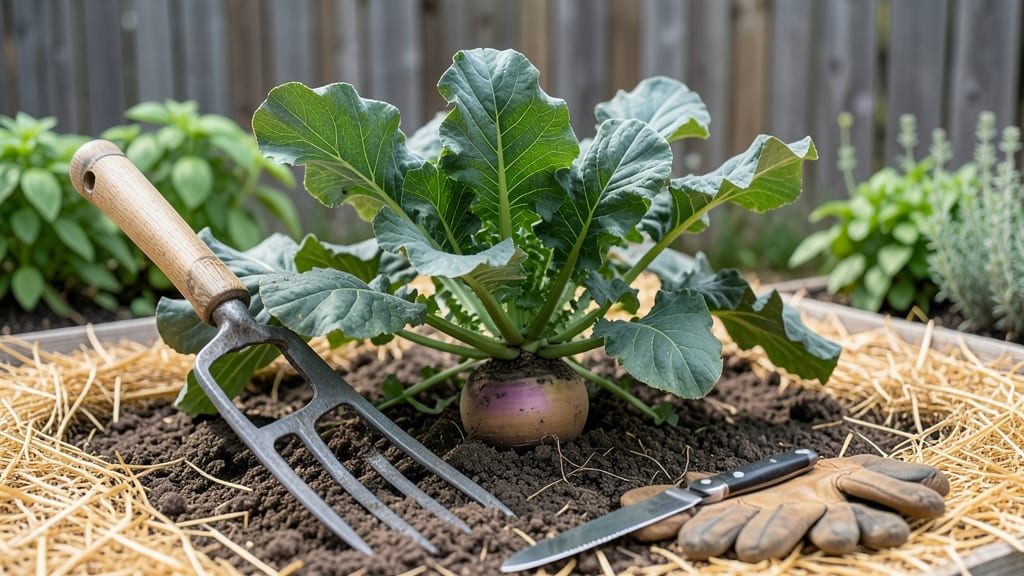
Harvesting rutabaga at the right time turns those earthy roots into a sweet, crisp reward 🥬—but wait too long, and you risk tough, bitter flavors.
If you’ve ever pulled a rutabaga from the ground only to find it woody or split open, you know timing is everything. The key is catching them when they’re firm, smooth-skinned, and just the right size—usually between 2 and 3 inches in diameter.
Below, I’ll walk you through three simple tests to check readiness, plus the best seasonal windows to avoid hard frosts and ensure storage-friendly roots.
You’ll learn how to read the leaves, test the skin, and even spot when it’s too late—so your next harvest is foolproof.

3 Tactile tests to determine rutabaga harvest readiness
Harvesting rutabagas at the right moment means the difference between a sweet, tender root and a tough, bitter one. Unlike some vegetables, rutabagas don’t ripen after picking, so timing is critical.
The good news? You don’t need fancy tools—just your hands, eyes, and a little patience. These three simple tactile tests will help you determine when your rutabagas are ready to harvest.
First, let’s talk about the ideal size. Rutabagas should measure between 2 and 3 inches in diameter. Anything smaller is underdeveloped, while larger roots can become woody.
Think of a baseball-sized root—this is your target. If your rutabagas are growing in a crowded patch, they’ll naturally stay smaller, so adjust your spacing if needed.
Now, let’s get hands-on. Grab a rutabaga and give it a gentle squeeze. The skin should feel firm but not rock-hard. If it gives slightly under pressure, it’s ready. A soft or mushy spot means it’s overripe, while a rock-hard feel suggests it’s still maturing.
This test is especially useful for varieties like Laurentian, which can vary in texture.
Here’s where the visual cues come into play. Look at the top leaves—they should be starting to yellow and die back. Healthy green leaves mean the root isn’t ready yet, while completely brown or wilted leaves signal it’s past its prime.
This is your plant’s way of telling you it’s redirecting energy to the root for storage.
Size Check
Measure 2-3 inches in diameter. Use a ruler or compare to a baseball for quick reference.
Firmness Test
Gently squeeze the root. It should feel firm but slightly yielding, like a ripe avocado.
Leaf Condition
Check for yellowing leaves that are dying back. Avoid harvesting if leaves are still fully green or completely wilted.
The third test focuses on the stem and skin. Twist the rutabaga gently at the stem—it should separate cleanly from the soil. If it resists or the stem snaps, it’s not ready.
Also, inspect the skin for smoothness. A smooth, taut skin is a sign of maturity, while rough or cracked skin means the root is overripe or stressed.
Seasonal timing plays a role too. In cool climates, rutabagas thrive in fall and can handle light frosts. Aim to harvest before the first hard frost, which typically occurs in October or November in most regions.
If you’re growing in a warmer climate, focus on spring planting for the best results.
Pro tip: If you’re unsure, dig up one rutabaga as a test. Cut it open to check the flesh color. It should be a creamy yellow with no green streaks (which indicate immaturity) or brown spots (a sign of overmaturity).
This quick check gives you instant feedback to adjust your harvest timing.
Once you’ve mastered these tests, you’ll never again pull a rutabaga too early or too late. The key is consistency—check your plants every 3-5 days during the harvest window. This way, you’ll always have roots at their peak flavor and texture, ready for storage or immediate use.
Remember, rutabagas store well in a cool, dark place for up to 6 months, so harvesting at the right time ensures you’ll have homegrown roots well into winter. Happy harvesting! 🥬
Best rutabaga harvest times by variety and climate
Rutabagas thrive in cool weather, but their harvest windows shift dramatically depending on your USDA zone and whether you planted them in spring or fall.
In cool climates (Zones 3-5), you can harvest as early as late September after spring planting, while warmer zones (6-8) may need to time harvests for fall or winter to avoid heat stress.
Variety also plays a role: Laurentian matures faster (around 80-90 days) than Purple Top (closer to 100-120 days). Early planting in spring gives you a fall harvest, while late summer planting ensures roots survive light frosts for winter storage.
Key rule: Always harvest before the first hard frost (when temps drop below 20°F). In Zone 6a, that’s typically mid-October for spring plantings, but in Zone 8+, you might harvest in December or January.
| Variety | Cool Climate (Zones 3-5) | Warm Climate (Zones 6-8) | Harvest Window | Notes |
|---|---|---|---|---|
| Laurentian | Late Sept - Early Oct | Nov - Dec | 80-90 days | Fastest variety; ideal for short seasons |
| Purple Top | Oct - Early Nov | Dec - Jan | 100-120 days | Classic variety; stores well |
| Mammoth Purple Top | Early Oct - Mid-Nov | Jan - Feb | 110-130 days | Largest variety; needs longer season |
| Any Variety (Fall Planting) | Jan - Feb | Feb - March | 90-120 days | Plant 8-10 weeks before first frost |
For early harvests, plant Laurentian in late summer (August) to catch roots before winter sets in. In Zone 6a, this means harvesting in October—just before the ground freezes.
If you’re in a warmer zone (7-8), extend your season by planting Purple Top in late summer for a winter harvest.
Pro tip: In Zone 5 and below, use row covers to protect roots during light frosts (25-30°F). This buys you 2-3 extra weeks for harvests. Just remove covers during the day to prevent overheating.
Always check for firm, smooth skin and yellowing leaves—these are your best indicators, regardless of variety or climate. Store harvested rutabagas in a cool, dark place (32-40°F) for up to 5 months.