
How To
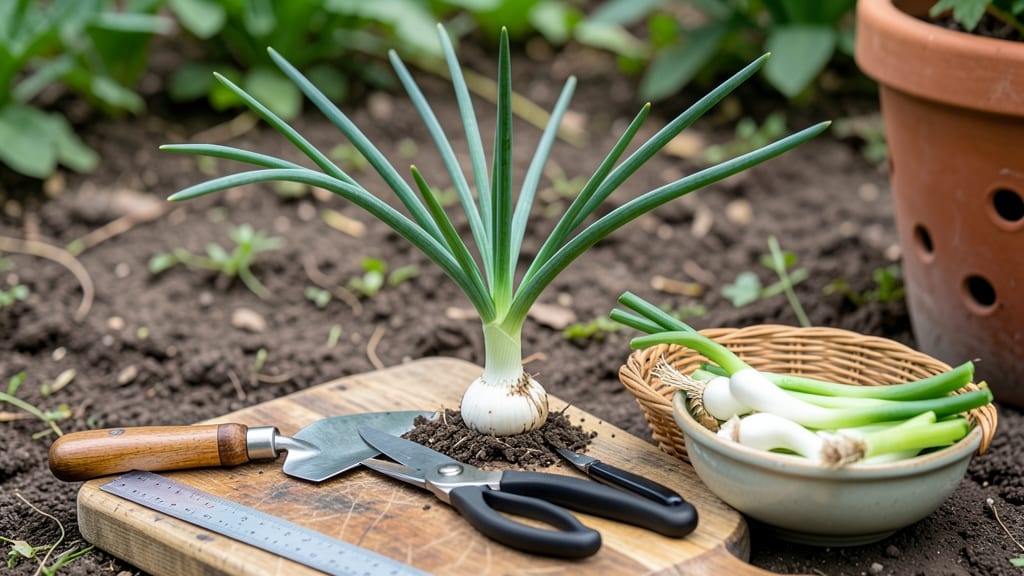
Harvesting scallions at the right time means the difference between crisp, mild greens and bitter, woody stalks 🧅 — and the secret is simpler than you think.
Picture this: You’ve nurtured your scallions for 60 days, watching them grow taller each week, but now you’re stuck wondering if they’re ready. Too soon, and you’ll miss peak flavor; too late, and they’ll bolt, turning tough and pungent.
The good news? There’s a foolproof trick to nail the timing every time.
This is where the 3 Knuckle Rule comes in—a quick, visual way to check maturity without guessing. By measuring your scallions against your fingers, you’ll know exactly when to pull them for the freshest, most flavorful harvest. No more second-guessing, no more wasted plants.
Below, I’ll walk you through how to use this rule, spot other readiness signs, and even avoid common mistakes that turn your scallions bitter. Ready to master the perfect harvest?

The 3 Knuckle Rule: how to visually determine scallion harvest time
Harvesting scallions at the right moment transforms them from mild, grassy greens to flavorful, crisp additions to your meals. The 3 Knuckle Rule is my go-to method for determining perfect harvest timing without guesswork.
This simple finger-based trick works for both white scallions and green scallions, ensuring you never miss peak flavor or let them bolt into bitterness.
Here’s the science behind it: scallions grow in predictable stages, and their leaf thickness correlates directly with maturity. When the base of the scallion reaches a specific thickness—measured by your fingers—you’ve hit the sweet spot for harvesting.
This method eliminates the need for a ruler while giving you precise results every time.
The rule works because scallion stems thicken uniformly as they mature. By using your fingers as a measuring tool, you’re essentially creating a portable gauge that adapts to different varieties. Whether you’re growing Evergreen Hardy White or Tokyo Long White, this technique ensures consistency.
-
Step 1: Grip the Base
Hold the scallion about 1 inch above the soil where the white bulb begins. Use your thumb and index finger to pinch the stem gently. -
Step 2: Measure with Your Fingers
Wrap your three middle fingers around the stem at its thickest point. The fingers should just barely touch when the scallion is ready. -
Step 3: Check for Readiness
If your three fingers can just encircle the base (but not too loosely), the scallion is perfectly mature for harvesting. This equals about 0.5–0.75 inches in diameter. -
Step 4: Verify Visual Cues
Cross-check with leaf length (6–8 inches) and bright green color. If the stem feels firm and crisp, it’s harvest-ready!
For white scallions, focus on the bulb thickness—it should be plump and firm, with a diameter matching your three-finger test. The green tops should be long enough to use in cooking but not overly woody.
If the bulb feels thin or the green stems are still growing rapidly, wait a few days before checking again.
With green scallions, the rule still applies, but you’ll prioritize the overall stem thickness rather than just the bulb. The entire stem—from base to tip—should feel substantially thickened when pinched.
If the stem bends easily or the leaves are soft, it’s not ready yet. This method works especially well for quick regrowth varieties like Evergreen Hardy White.
Timing is critical because scallions bolt quickly when they sense long daylight hours or heat stress. Once they bolt, the flavor turns bitter, and the texture becomes tough. The 3 Knuckle Rule helps you stay ahead of bolting by giving you a clear, visual benchmark for harvest readiness.
I’ve used this trick for years, and it’s saved me from wasting overripe scallions.
Pro tip: Harvest in the morning when the scallions are crispest. Use a sharp knife to cut them about 1 inch above the soil to encourage regrowth.
This way, you can harvest the same plant multiple times throughout the season. Just remember—once the flower stalk appears, it’s too late to save the harvest!
If you’re growing scallions in containers, the rule still applies, but check for readiness slightly earlier since container-grown plants often mature faster. The 3 Knuckle Rule is especially useful in small spaces where measuring tools aren’t practical. It’s a gardener’s secret weapon for consistent, flavorful harvests every time.
Now that you’ve mastered the 3 Knuckle Rule, you’ll never second-guess when to harvest scallions again. This method combines simplicity with precision, ensuring you get the best flavor and texture from your homegrown greens—no guesswork required! 🌱
Signs your scallions are ready (or overdue) for harvesting
Beyond the 3 Knuckle Rule, your scallions reveal clear visual cues about harvest readiness. Pay attention to leaf color, stem thickness, and root development—these tell you exactly when to act.
Bright green leaves and a firm white base mean peak flavor, while yellowing or hollow stems signal you’ve waited too long. Understanding these signs helps you avoid bitter, woody scallions or losing them to bolting.
First, check the leaf color—healthy scallions have vibrant green tops with no yellowing. If you see pale or yellowing leaves, it’s a warning sign of bolting or overmaturity. The stem thickness at the base also matters: aim for at least ½-inch diameter for the best texture.
Thin stems mean they’re still growing, while overly thick ones indicate toughness.
✅ Harvest Ready: Signs Your Scallions Are Perfect
❌ Overdue: Signs You’ve Waited Too Long
Bolting—when scallions send up flower stalks—is a common issue if you miss the harvest window. Look for tall, thin stalks emerging from the center; this means your scallions are past their prime and will taste bitter.
Once bolting starts, the plant redirects energy to seeds, making the leaves tough and less flavorful. If you spot stalks, harvest immediately for what you can use, then pull the rest to make room for a new crop.
Don’t overlook the roots—healthy scallions develop white, fibrous roots that anchor them firmly. If the roots look shriveled or brown, the plant is stressed, often from overwatering or drought.
Well-developed roots also indicate the scallion has stored enough energy for a crisp, flavorful harvest. Gently tug on the base; if it resists slightly, it’s ready.
For continuous harvests, trim scallions instead of pulling them entirely. Cut the outer leaves when they reach 6-8 inches, leaving the inner growth intact. This method lets you enjoy fresh scallions for weeks or even months, as long as you avoid letting the plant bolt.
Just be sure to water consistently and fertilize lightly every 4-6 weeks to keep them productive.
If you’re unsure, taste-test a small section of a leaf. Sweet, mild flavor means it’s ready; sharp or bitter notes signal you’ve waited too long. This simple trick saves you from wasting overripe scallions and ensures every harvest is delicious. With practice, you’ll spot the perfect moment effortlessly!