
Picking
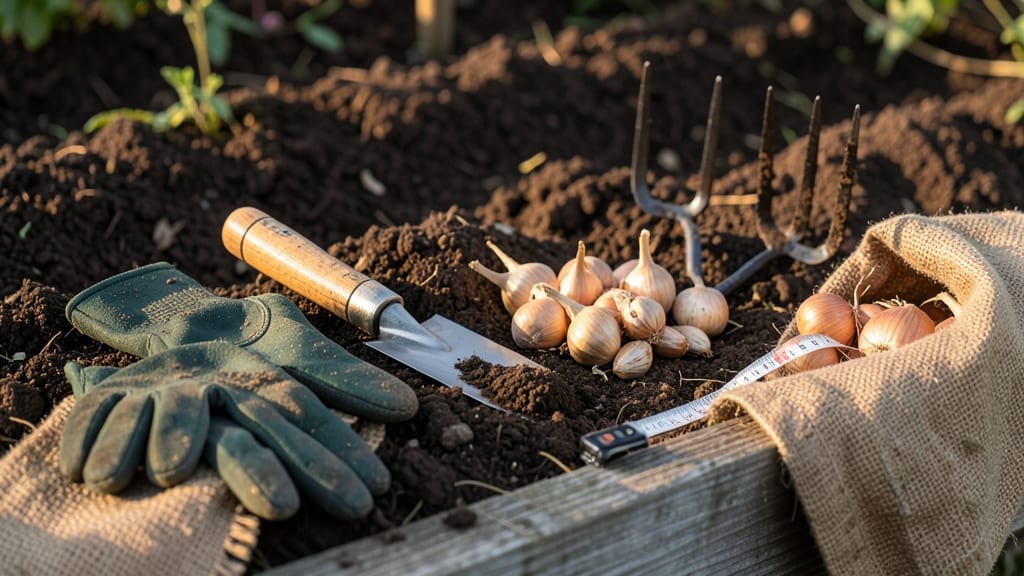
Fall-planted shallots 🧅 reach their harvest window when tops yellow and bulbs firm up—typically late spring to early summer, depending on your zone.
Picture this: you’ve waited months for your shallots to mature, only to dig up tiny, pungent bulbs or find them split and mushy. The difference between a perfect harvest and a wasted crop often comes down to timing—and knowing the right cues can save you from disappointment.
In USDA Zone 6a (like much of the Midwest), harvest usually falls between May and June, but warmer climates may extend it into early summer. The key is watching for paper-thin skins and firm bulbs—signs your shallots are ready to pull.
Below, I’ll break down the exact visual and physical tests to use, plus how climate and soil conditions shift your harvest window. By the end, you’ll know exactly when to dig for the best flavor and storage life.

How to test shallot maturity: the paper-thin skin & firm bulb method
Harvesting shallots at the right moment transforms your patience into flavorful bulbs with excellent storage life. Unlike onions, shallots mature when their outer skins turn papery and their bulbs feel firm—two key indicators that often get overlooked.
I’ve learned the hard way that waiting for these signs prevents the heartbreak of small, pungent bulbs or rotten harvests.
Start by examining the foliage first. Mature shallots will show yellowing leaves that eventually wither and dry out. This is nature’s way of signaling that the plant has redirected its energy from growth to bulb development.
If your shallots still have vibrant green tops, they need more time—typically another 2–4 weeks, depending on your climate.
Visual cues are your first line of defense, but they’re not foolproof. For example, drought stress can mimic maturity by causing leaves to yellow prematurely. Always pair visual checks with a physical bulb test to confirm readiness. Here’s how to do it right:
One mistake I made early on was harvesting based solely on leaf color. In dry climates, shallots can develop yellow leaves due to water stress, not maturity. Always cross-check with the bulb firmness test—this is your safeguard against false signals.
If the bulbs feel soft despite yellowing leaves, hold off on harvesting and water deeply to encourage further growth.
For fall-planted shallots, timing shifts based on your USDA zone. In colder regions (Zones 3–5), harvest may stretch into June or early July due to slower spring warming.
Meanwhile, warmer zones (7–10) can harvest as early as April or May. Pay attention to soil temperatures: bulbs mature faster when soil stays above 50°F (10°C).
Once you’ve confirmed maturity, harvest on a dry, sunny day to allow bulbs to dry properly before storage. Use a fork to loosen the soil around the bulbs, then gently lift them to avoid bruising.
Let them cure in the sun for 2–3 hours before trimming the roots and tops—this extends their storage life to 6–8 months.
Pro tip: If your shallots start to bolt (sprout flowers), they’ve passed their prime. Bolting is a sign of stress or overmaturity, and the bulbs will be small and bitter. Harvest immediately if you notice flower stalks, even if the bulbs aren’t fully mature.
By mastering these maturity tests, you’ll consistently harvest shallots at their peak—flavorful, firm, and perfect for storage. The next time you’re tempted to dig based on leaf color alone, remember: paper-thin skins and firm bulbs are your true harvest cues.
Fall-planted shallot harvest timeline: month-by-month expectations
Fall-planted shallots 🧅 develop differently than spring varieties, with harvest timing heavily influenced by soil temperatures and daylight hours. In USDA Zones 3–5, cold winters slow growth, pushing harvests to late May or June, while Zones 7–10 may see earlier harvests as early as April.
The key difference? Fall-planted shallots rely on spring warmth to trigger bulb formation, unlike spring-planted crops that mature over summer.
Soil temperatures above 50°F (10°C) kickstart growth after winter dormancy, while 12+ hours of daylight accelerate bulb development. In Zone 6a, where I garden, my fall-planted shallots typically hit peak harvest in mid-May, but last year’s late frost delayed mine until early June.
Pay attention to leaf color and bulb firmness—these are your best indicators, not just calendar dates.
| USDA Zone | Harvest Window | Key Cues | Soil Temp |
|---|---|---|---|
| 3–5 | Late May–June | Yellowing leaves, 1.5" bulbs | 50–60°F (10–15°C) |
| 6–7 | Mid-May–Early June | Paper-thin skins, firm bulbs | 55–65°F (13–18°C) |
| 8–10 | April–Mid-May | Drying tops, 1–2" bulbs | 60–70°F (15–21°C) |
In warmer zones (8–10), shallots mature faster due to longer growing seasons and milder winters. My friend in Zone 9 harvests hers by April, while I still see frost warnings in May.
The trick? Monitor soil temperature—once it consistently stays above 55°F (13°C) for a week, growth ramps up. Use a soil thermometer to track progress, especially if your spring is unpredictable.
Daylight hours also play a role. Shallots need 12+ hours of light to bulk up properly. In northern zones (3–5), shorter days can delay harvest by 2–3 weeks compared to southern regions.
If your area has limited spring sunlight, consider using a grow light for 2–3 hours daily to boost bulb development. I’ve seen this cut harvest time by nearly a week in my Zone 6a garden.
Watch for false signals, like drought-stressed leaves that mimic maturity. If your shallots’ tops turn yellow but the bulbs feel soft or small, they’re not ready. Instead, wait for paper-thin skins and firm, 1.5–2" bulbs.
Last year, I nearly harvested too early in late April—my bulbs were tiny and pungent. Patience pays off with larger, milder shallots perfect for storage.
Once harvested, cure your shallots in a dry, shady spot for 2–3 weeks to extend storage life. In cooler zones (3–6), they’ll keep until next spring, while warmer zones (7–10) may only store them for 3–4 months.
Timing your harvest right ensures you get the most from your fall planting—whether you’re preserving for winter or enjoying fresh flavors all season.