
How To
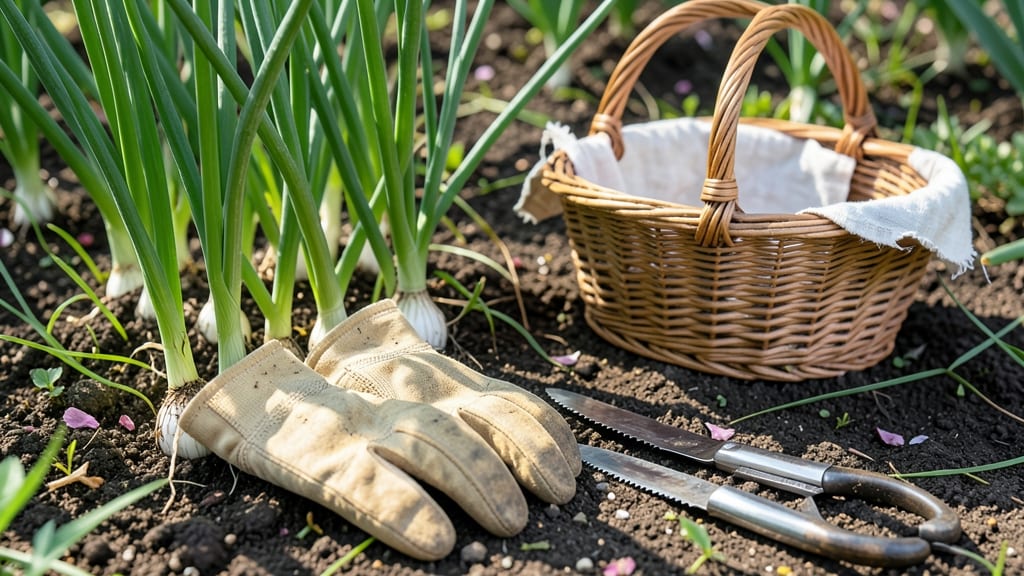
Harvest spring onions when they reach 6 inches tall for the mildest flavor—this is the sweet spot between tender greens and bitter bulbs.
Spring onions are one of the fastest-growing vegetables in your garden, but timing their harvest perfectly ensures tender, flavorful green onions instead of bitter bulbs. Mastering this skill means you’ll enjoy fresh, homegrown onions all season long—without wasting a single plant.
Look for stalks that are about the thickness of a pencil and leaves that are bright green with just a hint of yellow at the base.
These are your cues that the onions are ready to pull, not cut—this preserves the root for regrowth and a second harvest in just a few weeks.
Below, I’ll walk you through the exact height and color signals to watch for, plus how to handle them to keep your garden producing all season. No more guesswork—just perfect timing every time.

Optimal harvest height and visual cues for spring onions
Spring onions thrive on quick growth, but their flavor peaks at the 6-inch height mark. This is where they strike the perfect balance between tender greens and mild bulbs—any taller, and they risk developing bitterness.
I’ve learned from years of gardening that this 6-inch rule is your golden ticket to consistently delicious harvests.
When your spring onions reach about 6 inches tall, their leaves should be bright green with just a slight yellowing at the base. This subtle color change signals maturity without overgrowth.
The stalks will also feel firm to the touch, similar to a pencil’s thickness—a key visual cue I always check before harvesting.
Here’s the critical distinction: green onions (harvested early) and spring onions (harvested later). Green onions focus on the leafy tops, while spring onions include the small bulb. The 6-inch height is ideal for green onions, but if you let them grow to 10-12 inches, you’ll get more bulb development.
🌱
| Harvest Stage | Height | Leaf Color | Bulb Size | Flavor Profile |
|---|---|---|---|---|
| Green Onions | 6 inches | Bright green | Under ½ inch | Mild, tender |
| Spring Onions | 10-12 inches | Slight yellow base | ½ to 1 inch | Mild, slightly sweeter |
| Over-Mature | 12+ inches | Yellowing leaves | 1+ inch (woody) | Bitter, tough |
Regional variations can slightly adjust your timing. In cooler climates like USDA Zone 6a, spring onions may take 75-90 days to reach harvest height, while warmer zones like Zone 8 can achieve the same in just 60 days.
Always check your local frost dates—spring onions planted too late in hot summers may bolt prematurely.
Another pro tip: Harvest in the morning after watering. The soil will be moist, making the onions easier to pull without damaging the roots. This also preserves the plant’s ability to regrow for a second harvest in about 3-4 weeks—a game-changer for continuous fresh supplies.
Watch for these three key signs of readiness: stalks about 6 inches tall, leaves with slight yellowing at the base, and bulbs that feel firm when gently squeezed.
These cues ensure you’re harvesting at peak flavor, not bitterness. Ignore these, and you’ll end up with tough, woody onions that even cooking can’t salvage.
🌿
If you’re growing spring onions for their bulbs, let them mature to 10-12 inches tall. The bulbs will swell to about ½ to 1 inch in diameter, and the leaves will develop a more pronounced yellow tint at the base.
At this stage, they’re still mild but with more body than green onions. This is also when you’ll want to pull the entire plant rather than cutting, as the bulbs won’t regrow.
For gardeners in hotter climates, be extra vigilant. Spring onions can bolt (send up a flower stalk) when days get long and temperatures rise. If you notice the plant sending up a tall, thin stalk, harvest immediately—bolted onions become bitter and tough.
In these cases, focus on harvesting at the earliest signs of maturity (around 4-5 inches tall) to avoid bolting altogether.
💧
Step-by-step harvesting techniques to preserve flavor and regrowth
Harvesting spring onions properly is the secret to getting multiple harvests from a single plant while preserving their delicate flavor. Unlike regular onions, spring onions regrow after cutting, giving you a continuous supply all season.
The key is knowing when to cut vs. pull and using the right tools to avoid damaging the roots.
For green onions (harvesting just the tops), use a sharp pair of scissors or pruning shears. Cut the stalks about 1 inch above the soil line—this leaves enough foliage to regrow. Avoid pulling at this stage, as it can uproot the plant.
I like to harvest on a dry morning when the soil is firm but not hardened, making it easier to cut cleanly without tearing.
🌱
- 1 Timing: Harvest when stalks reach 6 inches tall for green onions or 10-12 inches for bulbs.
- 2 Tools: Use sharp scissors for cutting tops or garden fork for pulling entire plants.
- 3 Cutting: Snip tops 1 inch above soil for regrowth. Leave 2-3 outer leaves to fuel new growth.
- 4 Pulling: Gently lift entire plant when bulbs are ½ to 1 inch wide to stop regrowth.
- 5 Regrowth: Wait 3-4 weeks before harvesting cut plants again. Fertilize lightly with balanced 5-10-10 after first cut.
To encourage regrowth, always leave 2-3 outer leaves attached to the base after cutting. These leaves photosynthesize and fuel new growth. I’ve found that cutting too close to the soil can stress the plant, slowing down regrowth.
After harvesting, give the soil a light watering to help recovery, especially in hot, dry climates where plants can wilt quickly.
If you’re growing spring onions for their bulbs, stop cutting and let the plant mature to 10-12 inches tall. At this stage, pull the entire plant gently from the base using a garden fork to avoid breaking the bulbs.
Once harvested, these won’t regrow, so plan your garden layout to have some plants for cutting and others for bulb development.
For maximum regrowth, avoid harvesting more than half the plant at once. Over-harvesting weakens the roots and can prevent future growth. In my garden, I’ve had spring onions produce 3-4 harvests in a single season by following this rule.
Just remember: the more you cut, the smaller the subsequent harvests will be, but they’ll still be fresh and flavorful.
🪴