
How To
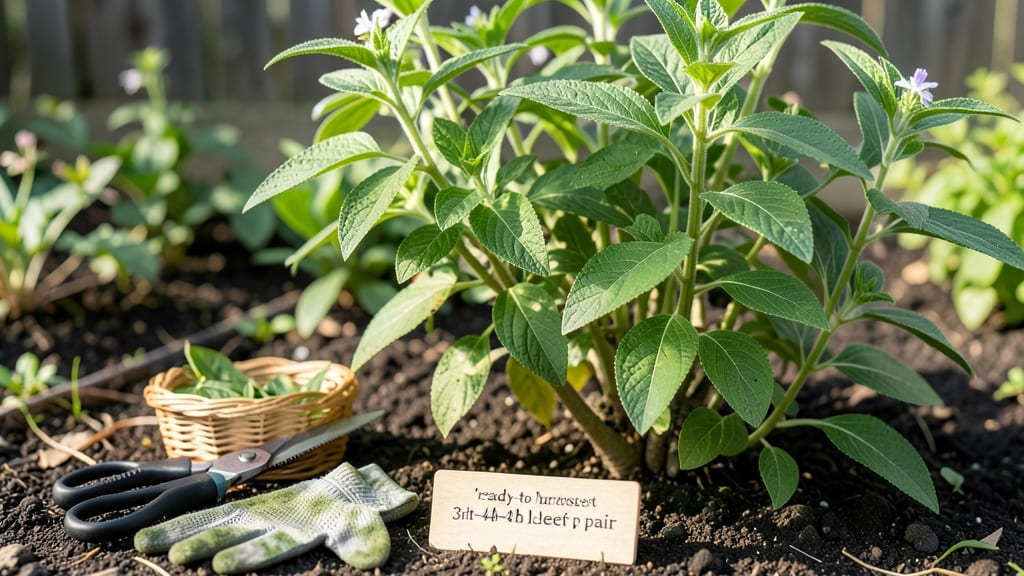
Harvesting stevia at the right time ensures the sweetest, most potent leaves 🌿 — and missing the window can turn your crop into bitter, unusable scraps.
Picture this: you’ve nurtured your stevia for months, only to pluck leaves that taste like grass instead of the natural sweetness you expected. The difference? Timing. Stevia’s flavor peaks when leaves are fully green, tender, and just before flowering begins.
In USDA Zone 6a, that window typically opens in July, but climate plays a role. Humid summers may delay readiness, while dry heat can speed it up.
Below, I’ll show you how to read leaf color, test stem firmness, and avoid the three biggest harvest mistakes that ruin flavor.
You’ll leave here knowing exactly when to snip for maximum sweetness, how often to harvest for continuous yields, and why some gardeners swear by a morning harvest over afternoon cutting.

How to identify the perfect stevia leaf color for harvesting
Harvesting stevia at the right time ensures the sweetest, most flavorful leaves. The leaf color is your best indicator, shifting from silver to vibrant green as the plant matures.
Each stage affects sweetness levels, so understanding these changes is key to a successful harvest. For example, young leaves may taste milder, while mature ones pack the most intensity.
Young stevia leaves often start with a silver-blue hue, especially in cooler weather. This color fades to bright green as the plant grows stronger, signaling the ideal harvest window.
If you wait too long, leaves may turn purplish-red, which can make them bitter. Timing your harvest during this green peak guarantees the best flavor profile.
Seasonal variations also play a role. In spring and early summer, stevia grows rapidly, and leaves reach peak sweetness faster. However, in hotter months, growth slows, and leaves may mature more slowly. Always monitor color changes closely to avoid missing the perfect harvest moment.
🌱
When leaves reach their bright green phase, they’re typically 3-5 inches long and fully developed. This is when stevia produces its highest sweetness concentration, making it the perfect time to harvest.
If you’re unsure, pinch a leaf—if it’s tender and snaps easily, it’s ready. Over-mature leaves lose sweetness and gain bitterness, so act quickly when you spot this ideal color.
Regional climate differences can shift these timelines. In warmer zones (USDA 9-11), stevia may mature faster, while cooler regions (USDA 5-7) could see delayed color changes.
Always adjust your harvest schedule based on local weather patterns. For instance, a sudden heatwave might speed up leaf maturation, so stay vigilant during unpredictable seasons.
Another key factor is the plant’s growth stage. Stevia leaves should be harvested before flowering, as blooms signal the plant is shifting energy toward reproduction rather than leaf production.
Flowering stevia leaves contain less sweetness and more bitterness, so prune any buds early to encourage leaf growth and maintain flavor.
🌿
To maximize sweetness, harvest stevia in the morning after dew has dried. This timing ensures leaves are at their freshest and most flavorful. Avoid harvesting after heavy rain, as moisture can dilute sweetness and lead to faster spoilage.
If you’re drying leaves for long-term use, morning harvests also help preserve their vibrant green color and potency.
If your stevia plant shows signs of purple or red tinges, it’s a clear signal to stop harvesting. These colors indicate stress, often from heat or drought, which reduces sweetness.
Instead, focus on reviving the plant with consistent watering and shade until it recovers. Once leaves return to their bright green state, you can resume harvesting for the best flavor.
For continuous harvests, pinch off the top sets of leaves regularly to encourage bushier growth. This method keeps your stevia producing sweet leaves for months, rather than just one big harvest. Just remember: always prioritize leaves with that perfect green hue over any purple or yellowing foliage.
✂️
The stem hardness test: a reliable way to determine harvest readiness
If you’ve ever wondered whether your stevia leaves are ready for harvesting, the stem hardness test is your secret weapon. Unlike leaf color alone, this method gives you a precise, tactile way to judge maturity.
When done right, it ensures you harvest at the peak of sweetness while avoiding the bitter notes that develop when leaves overmature.
Here’s the key: young stevia stems feel soft and pliable, almost like green celery. As leaves mature, stems gradually harden—this is your cue to harvest. But timing matters: harvest too early, and you’ll get weak flavor; too late, and the plant may flower, reducing sweetness.
The test works best in the morning hours when stems are firmest.
I’ve used this method for years, and it’s saved me from wasting entire harvests. Even in USDA Zone 6a, where summers can be unpredictable, the stem test remains consistent.
Below, I’ll walk you through the exact steps, including how to test without damaging your plant and how to adjust for young vs. mature stems.
- Step 1: Select a healthy, non-flowering stem near the base of the plant.
- Step 2: Gently pinch the stem between your thumb and forefinger. Young stems bend easily.
- Step 3: If the stem feels slightly firm but still flexible, it’s ready for harvest. No give? Wait 1-2 weeks.
- Step 4: For young stems (under 6 inches), harvest only the top 2-3 leaves to encourage bushier growth.
- Step 5: For mature stems (6+ inches), cut just above a leaf node to promote branching.
- Step 6: Avoid harvesting flowering stems—they’re bitter and reduce plant productivity.
One common mistake I see is harvesting stems that are too woody—these belong pruned back, not used. Another tip: rotate your harvest sites around the plant to encourage even growth.
If you’re growing stevia in containers, stems may harden faster due to limited root space, so test more frequently.
For continuous yields, harvest every 2-3 weeks during peak season (July-September in Zone 6a). This prevents overmature leaves while keeping the plant productive. Just remember: the harder the stem, the older the leaf—and older stevia loses sweetness fast.
Pro tip: Pair the stem test with a leaf color check (vibrant green = sweet; purple = bitter). Together, they’re foolproof. Now grab your pruners and get testing—your sweetest harvest is just a pinch away! ✂️