
Flowers
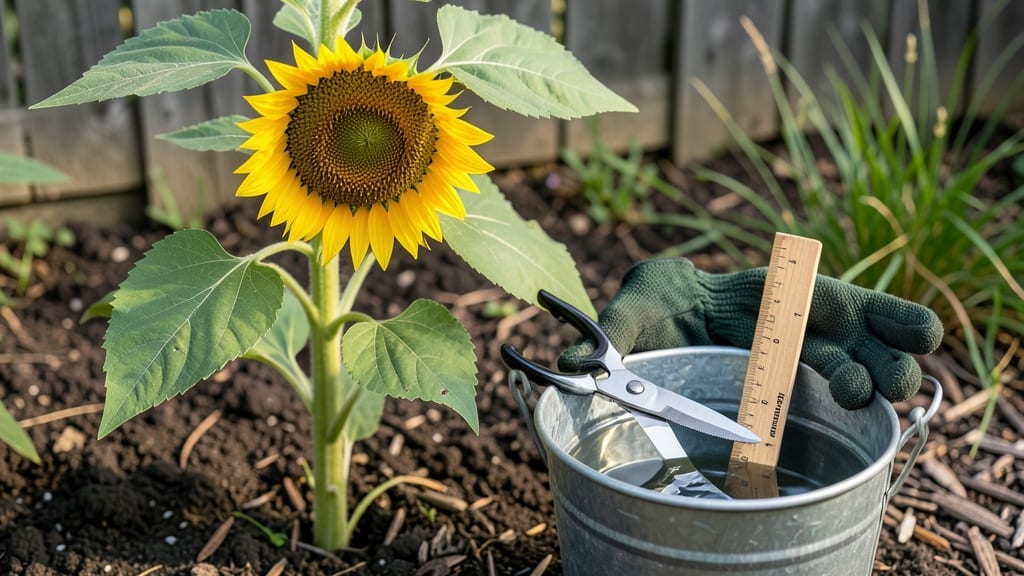
Harvesting sunflowers for cut flowers at the right time means the difference between sturdy stems that last weeks in a vase and droopy blooms that wilt by morning.
Picture this: you’ve spent all summer nurturing your 🌻 sunflowers, and now you’re ready to cut them for that show-stopping bouquet. But if you harvest too early, the stems won’t hold water, and if you wait too long, the petals will crumble.
The secret? A mix of color cues, stem maturity, and timing that keeps your flowers fresh for days.
Most gardeners assume sunflowers are ready when the petals are fully open, but that’s only part of the story. The stem snap test, petal color shifts, and even the time of day you harvest all play a role in extending vase life.
In this guide, I’ll walk you through the exact signs to look for—so you never waste another perfect bloom.
From morning harvests to seasonal adjustments, you’ll learn how to pick sunflowers at their peak, ensuring your arrangements stay vibrant and strong. Let’s get started.

The stem snap test: how to check sunflower harvest readiness
When your sunflowers reach their towering glory, it’s tempting to snip them immediately—but that’s a recipe for disappointment. The stem snap test is my go-to method for determining if a sunflower is truly ready for cutting.
This simple technique tells you whether the stem has reached the perfect balance of maturity and moisture, ensuring your bouquets stay fresh for 10-14 days in a vase.
Why does this matter? Overripe sunflowers have brittle stems that snap too easily, while underripe ones wilt within days. The snap test cuts through the guesswork by assessing stem strength and moisture levels—two critical factors for vase life.
Think of it as the litmus test for sunflower readiness, and it works for both standard varieties and dwarf types.
Here’s the secret: a mature sunflower stem should snap cleanly with a slight give, like a fresh asparagus spear. If it bends without breaking, the stem isn’t ready.
If it snaps too easily (like dry kindling), it’s past its prime. Let’s break down the exact steps to perform this test like a pro.
How to Perform the Stem Snap Test
- Step 1: Choose a sunflower with fully unfurled petals but seeds that are still green or lightly browned.
- Step 2: Hold the stem near the base (about 6 inches down) with both hands.
- Step 3: Apply gentle downward pressure with your thumbs until you hear a clean snap.
- Step 4: Listen for the sound: a crisp, hollow "pop" means it’s ready. A dull crack or bend means it’s not.
- Step 5: Check the stem thickness: it should be at least ½ inch wide at the base for optimal vase life.
Pro Tip: Perform the test in the morning when stems are most hydrated for accurate results.
The stem snap test isn’t just about hearing a satisfying "pop"—it’s about understanding what that sound reveals. A clean snap indicates the stem’s vascular system is fully developed, allowing it to transport water efficiently. This translates to longer vase life because the flower can hydrate properly after cutting.
But here’s where many gardeners go wrong: they assume all sunflowers snap the same way. In reality, dwarf varieties (like ‘Teddy Bear’) have thinner stems and may require a slightly different approach.
For these, aim for a softer snap—almost like snapping a carrot—since their stems are naturally more delicate. Always adjust your expectations based on the sunflower variety you’re growing.
Moisture levels play a huge role in the snap test’s accuracy. If you’ve had a dry spell, stems may snap too easily, even if the flower looks mature. To compensate, water your sunflowers deeply the night before testing.
This ensures the stems are hydrated and gives you a true reading on their readiness. Think of it as prepping your sunflowers for their close-up in your bouquet.
What if your sunflower fails the snap test? Don’t toss it! A stem that bends instead of snapping is simply underdeveloped. Give it a few more days and retest.
Conversely, if the stem snaps too easily (like dry twigs), the sunflower is overripe, and the petals will start to crumble within 24 hours. In this case, harvest the seeds for next year’s garden instead.
For maximum vase life, pair the snap test with harvesting in the early morning. This ensures the stems are fully hydrated, reducing the risk of wilting. After cutting, trim the stems at a 45-degree angle and place them immediately in lukewarm water.
This simple post-harvest care can extend your sunflowers’ life by up to a week.
Remember, the stem snap test is just one piece of the puzzle. Pair it with color cues (like fully unfurled petals with green seeds) and you’ll have a foolproof system for harvesting sunflowers at their peak. Once you master this technique, you’ll never waste another perfect bloom again.
The next time you’re eyeing your sunflowers, grab a pair of pruners and give the stem a test. That crisp snap is your green light to create a bouquet that’ll turn heads—and last for weeks. Happy harvesting! 🌻
3 Color cues to harvest sunflowers at peak bloom time
While the stem snap test gives you the structural green light, your sunflowers’ petal colors and anthers reveal their true maturity. These visual cues are nature’s way of telling you exactly when to cut for maximum vase life.
Ignore them, and you risk bouquets that wilt within days—or worse, crumble before they even reach the vase.
The first clue lies in the petal color at the center of the bloom. For most varieties, the back of the petals should transition from green to pale yellow as they mature.
This color shift signals the flower is ready for cutting. Darker centers (like deep bronze or chocolate hues) indicate overripeness, while fully green centers mean the bloom is still developing.
Here’s where many gardeners trip up: they assume all sunflowers follow the same color rules. Bronze varieties (like ‘Evening Sun’) maintain their rich hues longer, while double-flowered types (like ‘Moulin Rouge’) may show muted centers even when ready.
Always check the anthers—the pollen-producing structures at the bloom’s core—for the final verdict.
| Color Cue | Petal Stage | Anther Color | Stem Condition | Vase Life Impact |
|---|---|---|---|---|
| Green Centers | Tightly Closed | Pale Yellow | Bends (Underdeveloped) | Wilts in 24-48 hrs |
| Pale Yellow Back | Fully Unfurled | Dark Orange/Brown | Snaps Cleanly | 10-14 Days |
| Dark Bronze Centers | Slightly Wilted | Gray/Dry | Brittle (Overripe) | Crumbles in 24 hrs |
The anthers are your secret weapon for nailing the perfect harvest window. When ready for cutting, they should be deep orange-brown and slightly fuzzy. If they’re pale yellow, the flower is still developing—wait a few days.
Conversely, if they’re turning gray or dusty, pollen has already dispersed, and the petals will start to brown within 24 hours.
Don’t overlook the leaves either! Mature sunflowers for cutting should have deep green, healthy foliage with no yellowing. Stress (like drought or nutrient deficiency) causes leaves to turn yellow or brown, which weakens the stem’s ability to hydrate the bloom.
Pair these leaf cues with the petal and anther signals, and you’ve got a foolproof system for harvesting sunflowers that last.
Pro tip: For double-flowered varieties, focus on the outer petal rows—they often show color changes before the inner layers. And if you’re growing multi-bloom stems (like ‘ProCut’ series), harvest when the bottom flower shows these color cues, while the upper buds remain tightly closed for sequential blooming.
Now that you’ve mastered these color cues, pair them with the stem snap test for sunflowers that stay vibrant in your vase for weeks. The next time you’re arranging a bouquet, you’ll know exactly when to cut—and your flowers will thank you with their longevity. Happy harvesting! 🌻