
How To
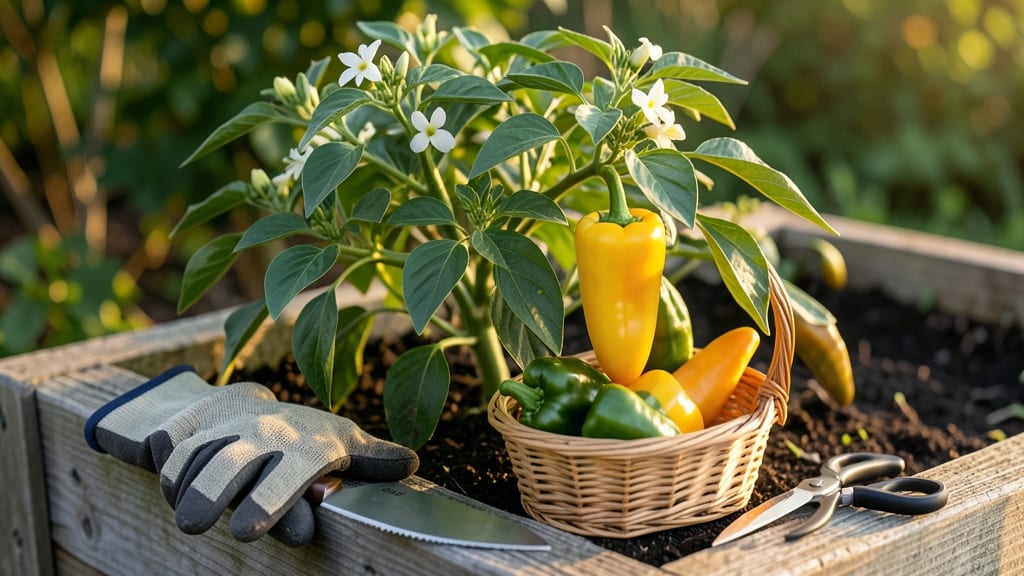
Harvesting sweet banana peppers at the right time turns your garden into a flavor factory 🌶️—but wait too long, and you’ll end up with bitter, mealy pods instead of crisp, sweet bites.
Picture this: You’ve nurtured your plants all season, and now the peppers are changing color. But how do you know when they’re truly ready? The answer lies in three simple color tests that reveal peak sweetness—no guesswork required.
In this guide, I’ll walk you through the exact cues to watch for, from vibrant green to golden yellow, and how to avoid the common mistakes that ruin flavor. Whether you’re in zone 6a or further south, these tips ensure your harvest shines in every dish.
By the end, you’ll confidently pick peppers at their sweetest, turning your kitchen into the talk of the neighborhood. Let’s get started!

3 Color tests to determine perfect sweet banana pepper harvest time
Sweet banana peppers are deceptive little gems—what looks like a simple green pepper can transform into a sweet, golden treasure with just the right timing. The color shift from green to yellow to red isn’t just a visual show; it’s your flavor roadmap.
Each stage offers a different taste profile, from crisp and mild to sweet and slightly tangy.
Most gardeners focus on size or days to maturity, but I’ve learned the hard way that color is the true indicator of sweetness. A green pepper might look perfect but taste bland, while a deep red one could be overripe and bitter.
The secret? Mastering these 3 color tests to pick them at their peak.
The green stage is where most gardeners make their first mistake. These peppers are technically edible but lack the sweetness you crave. I’ve tasted green banana peppers straight from the plant and found them bland and seedy—hardly worth the effort.
Save them for quick pickling or stir-fries where their crunch shines.
When your peppers shift to yellow, that’s your golden ticket. This is the sweet spot for flavor, where the natural sugars fully develop. The texture softens slightly, giving a slight give when pressed—like a ripe avocado.
I’ve found that yellow peppers hold their shape better in salads and retain sweetness when sautéed.
Don’t wait too long for red if you’re after maximum sweetness, though. While red peppers do develop a deeper, richer flavor, they also lose some crispness and can become mealy if overripe.
I’ve noticed that red peppers work best in slow-cooked dishes where their sweetness can caramelize, but they’re not ideal for raw eating.
Here’s a pro tip: Harvest in the morning when peppers are cool and firm. This ensures you’re getting the freshest flavor and avoids the bitter aftertaste that develops if left on the plant too long.
I always twist gently at the stem to avoid damaging the plant, and I store harvested peppers in a paper bag in the fridge to slow ripening.
Color isn’t the only factor—climate plays a role. In hotter zones (8-10), peppers may ripen faster and turn red quicker, while cooler climates (6-7) might keep them yellow longer.
I’ve adjusted my harvest schedule based on local weather patterns, and it’s made a world of difference in flavor.
Remember, size alone isn’t enough. A 3-inch green pepper might look mature but still taste underripe, while a 2-inch yellow pepper could be perfectly sweet. Always combine color with firmness for the best results. With these 3 color tests, you’ll never miss the sweetest harvest again.
How to test banana pepper ripeness beyond color: the finger-press method
While color is a great starting point, the true test of a sweet banana pepper’s ripeness lies in its texture. A simple finger-press method reveals whether your peppers are ready to harvest—or past their prime. This tactile approach helps you avoid mealy or bitter peppers that ruin dishes.
Start by gently pressing a pepper between your thumb and forefinger. A ripe banana pepper should feel firm with a slight give, like a ripe avocado. If it feels too hard, it’s underripe; if it’s soft or wrinkled, it’s overripe and likely bitter.
Next, perform the stem snap test. Hold the pepper’s stem between your fingers and give it a slight twist. A ripe pepper will snap cleanly at the stem, indicating it’s ready to pick. If the stem resists or pulls away, wait a few days before harvesting.
⚠️ callout-warning
Peppers left too long on the vine develop a mealy texture and bitter taste. Check for these red flags:
- ✖️ Dull, wrinkled skin (sign of dehydration)
- ✖️ Soft spots when pressed (indicates rot)
- ✖️ Darkened or shriveled ends (overripe)
Action: Harvest every 2-3 days during peak season to prevent overripening.
For inconsistent ripening (common in hot climates), focus on the largest peppers first—they’re typically the ripest. If your peppers ripen unevenly, try harvesting every morning to catch them at their peak. Store unripe peppers in a paper bag at room temperature to speed up ripening naturally.
Pro tip: Morning harvests yield the sweetest peppers because cooler nighttime temperatures enhance their natural sugars. Avoid harvesting after a hot afternoon, as peppers can develop a harsher flavor due to heat stress.
With practice, your finger-press method will become second nature, ensuring every pepper you harvest is crisp, sweet, and perfect for stuffing, pickling, or snacking. Happy harvesting! 🌱