
How To
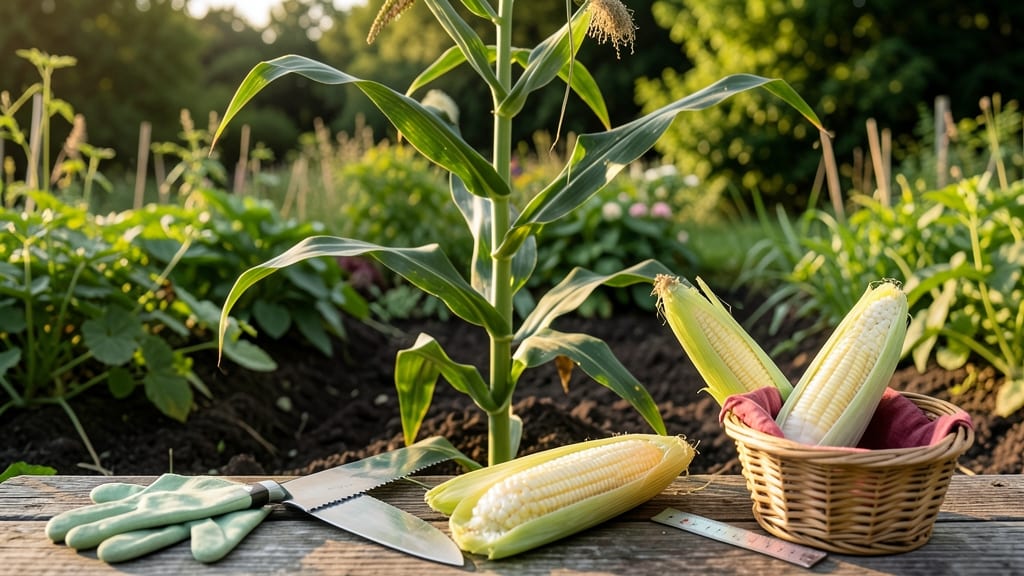
Harvest sweet corn when the silks turn brown and kernels reach the milky stage—this is the golden window for peak flavor and tenderness 🌽.
Picture this: you’re standing in your garden, husk in hand, and you’re not quite sure if that ear is ready. One wrong move, and you’ll end up with mealy, starchy cobs that taste more like flour than sweetness.
But here’s the good news—there are simple, foolproof tests to nail the perfect harvest moment.
Timing matters because sweet corn’s sugar content peaks briefly before converting to starch. Miss it, and you’ll sacrifice that buttery, juicy texture we all love.
Whether you’re in Zone 6a or another region, knowing the right cues—like silk color, kernel firmness, and the "milk stage"—will ensure every ear you pick is a winner.
Below, I’ll walk you through three tactile tests to check readiness, plus tips for handling post-harvest to keep that garden-fresh sweetness locked in. No guesswork, just delicious results.

3 Tactile tests to determine sweet corn harvest readiness
Harvesting sweet corn at the perfect moment transforms your garden into a sugar-packed treasure trove. But how do you know when those ears are ready? Relying on days-to-maturity labels alone won't cut it—you need to feel and see the signs.
These three simple tactile tests will help you determine when your corn is primed for picking, ensuring maximum sweetness and tender texture.
First, let’s talk about the silk color change, a classic indicator that’s often overlooked. The silks—those feathery threads emerging from the top of the ear—start off bright green and moist. As the corn matures, they gradually dry out and turn brown.
This shift isn’t just about color; it’s a sign that the plant is shifting its energy from pollination to kernel development. When most of the silks are tan or straw-colored, it’s time to get your hands dirty and check further.
Next, we’ll dive into the kernel denting test, a quick way to gauge maturity without cutting into the ear. Gently press a firm thumb against the side of a kernel through the husk. If the kernel dents slightly but doesn’t feel rock-hard, it’s a good sign of readiness.
Overly soft kernels mean the corn is still developing, while hard, glassy kernels signal it’s past its prime. This test helps you avoid the starchy, mealy disappointment of corn harvested too late.
Check when silks turn from bright green to tan/brown. Most silks should be dry—this means pollination is complete and kernels are filling out.
Press a kernel through the husk—it should yield slightly (like pressing a ripe peach) but not feel mushy. Hard kernels = overripe; soft kernels = underripe.
Cut a kernel open—if it’s creamy white (like liquid milk), it’s perfect. If it’s clear or yellowish, harvest sooner; if starchy and white, it’s past prime.
The third test is the most definitive: the milk stage test. This one requires a small sacrifice—cutting into a kernel—but it’s worth it for unmatched accuracy. Slice open a kernel lengthwise and examine its color.
At peak ripeness, the kernel should be creamy white, almost translucent, like liquid milk. This is the sweet spot where sugar content is highest. If the kernel looks clear or watery, harvest in a day or two. If it’s starchy and opaque white, you’ve missed the window.
Pro tip: Combine these tests for the most reliable results. For example, if the silks are brown but the kernels still feel hard, wait another day.
Conversely, if the silks are dry and the kernels dent easily but the milk test shows they’re past prime, it’s time to harvest what you can and enjoy the rest sooner rather than later. Sweet corn’s sugar-to-starch conversion happens fast—sometimes within hours—so don’t hesitate once you see these signs.
Regional variations can affect timing, too. In warmer climates, corn may mature faster, while cooler zones might need an extra day or two. Pay attention to your local frost dates—if a late frost is forecasted, prioritize harvesting even if the tests aren’t perfect.
And remember, morning harvests are ideal because the corn’s sugar content is highest after a cool night.
Once you’ve mastered these tactile tests, you’ll never second-guess your sweet corn harvest again. The key is consistency: check your plants daily during the final week of maturity, and trust your hands and eyes.
Before you know it, you’ll be serving up garden-fresh, buttery-sweet corn that rivals anything you’ve bought from the store. Happy harvesting!
🌽
Best time of day and weather conditions for harvesting
Timing your sweet corn harvest isn’t just about maturity—it’s also about when you pick during the day and the weather conditions outside. Morning harvests yield the sweetest corn because cooler temperatures slow sugar conversion.
Aim for 6:00 AM to 9:00 AM when temperatures are below 75°F (24°C) for peak flavor and texture.
Humidity plays a sneaky role too. High humidity can dilute sweetness and speed up starch conversion, while dry, crisp mornings preserve that garden-fresh taste. If your forecast calls for 90%+ humidity, harvest earlier or later in the day to avoid soggy husks and waterlogged kernels.
Ideal harvest temperatures hover between 60°F (15°C) and 75°F (24°C). Heatwaves above 85°F (29°C) trigger rapid sugar-to-starch conversion, leaving you with tough, dry ears. Late-season harvests? Watch for early morning frosts—corn can tolerate light frosts but loses sweetness quickly afterward.
Here’s a quick reference for your perfect harvest window:
| Factor | Optimal Condition | Avoid |
|---|---|---|
| Time of Day | 6:00 AM–9:00 AM | Afternoon heat (12 PM–3 PM) |
| Temperature | 60°F–75°F (15°C–24°C) | Above 85°F (29°C) |
| Humidity | Below 70% | 90%+ (risk of mold) |
| Late-Season Adjustment | Harvest 1–2 days early | Wait for frost |
For late-season harvests, accelerate the process by picking ears slightly earlier than usual. If silks turn brown but kernels aren’t fully milky, harvest anyway—they’ll sweeten slightly after picking if stored properly. Just be ready to cook them immediately to lock in flavor.
Pro tip: If you’re harvesting multiple ears, prioritize the outer rows first—they often mature slightly earlier due to edge effects. And always use a sharp knife to avoid crushing the ear’s tender base.
Now you’re ready to transform your garden into a cornucopia of sweetness—just remember: morning harvests in cool, dry conditions are your secret weapon for restaurant-quality corn at home 🌽.