
How To
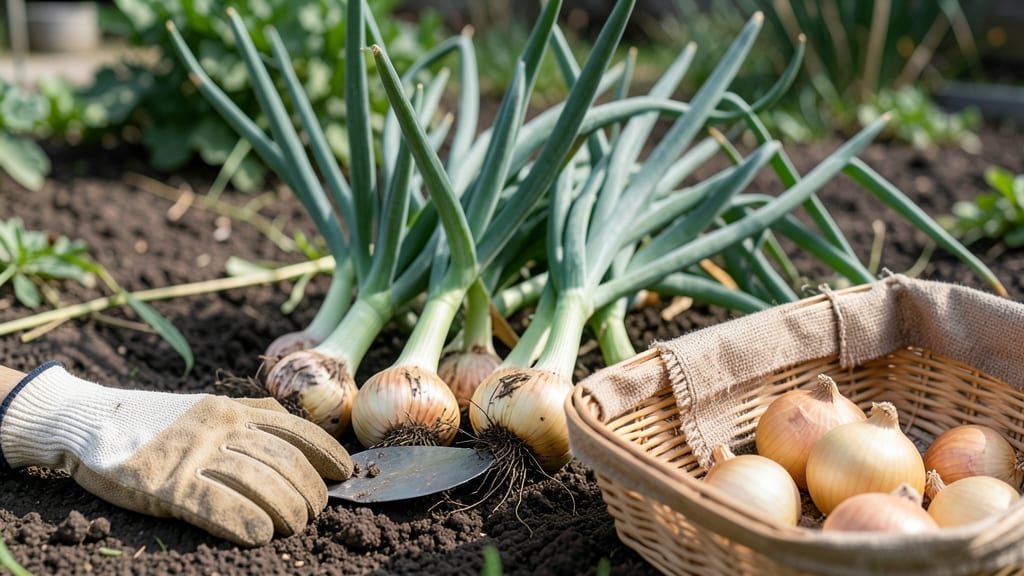
Harvesting sweet onions at the right time ensures perfect flavor and storage life — and missing the window turns your crop into tough, pungent bulbs.
Sweet onions 🧅 are a gardener’s treasure, but timing their harvest wrong can turn your culinary masterpiece into a bitter disappointment. Whether you’re in USDA Zone 6a or further south, knowing the exact cues means the difference between sweet, tender onions and tough, pungent ones.
Most gardeners wait for the tops to yellow and fall over, but there’s more to it than that. The bulbs should be firm, dry to the touch, and about the size of a small salad bowl — roughly 2 to 3 inches in diameter.
Below, I’ll walk you through the three foolproof tests to lock in that ideal harvest moment.
Once you’ve pulled them at the perfect time, proper curing and storage keep those flavors fresh for months. Let’s dive into the exact steps to ensure your sweet onions stay sweet long after harvest.

3 Size-weight tests to determine perfect sweet onion harvest time
Sweet onions reach their peak flavor when harvested at the right moment—neither too early nor too late. The key lies in three simple but effective tests: diameter size, bulb weight, and firmness assessment.
These methods ensure your onions are sweet, firm, and ready for storage. Let’s break down each test so you can confidently harvest your crop at its best.
First, focus on the diameter measurement—this is your primary visual cue. Sweet onions typically reach 2 to 3 inches in diameter when fully mature. Smaller bulbs (under 1.5 inches) often lack sweetness, while oversized ones (over 3.5 inches) can become pungent or hollow.
Use a ruler or caliper to measure a few bulbs in your garden to gauge consistency.
Next, consider the bulb weight as another reliable indicator. A mature sweet onion should weigh between 4 and 8 ounces when lifted from the soil. To test, gently pull a bulb from the ground and weigh it using a kitchen scale or even a handheld balance.
Lighter onions may still need time to sweeten, while heavier ones could be overripe.
Finally, perform the firmness test by gently squeezing the bulb. A perfectly ripe sweet onion should feel solid and dry to the touch, with a slightly papery skin. If the bulb feels soft or spongy, it’s not ready yet.
Conversely, if it’s overly hard or the skin cracks easily, it may have been left too long in the ground.
| Test Type | Ideal Specification | What It Means |
|---|---|---|
| Diameter Size | 2–3 inches | Optimal sweetness and firmness |
| Bulb Weight | 4–8 ounces | Balanced maturity for storage |
| Firmness Test | Solid, dry, papery skin | Ready for harvest and curing |
For regional adjustments, consider your climate zone. In warmer zones (8-10), sweet onions may mature faster—test for readiness by late June to early July. In cooler zones (3-7), aim for July to August harvests. Always prioritize dry weather for harvesting to prevent disease and ensure longevity.
Pro tip: Harvest in the morning when temperatures are cooler. This reduces stress on the bulbs and preserves their sweetness. Use a garden fork to gently loosen the soil around the onion before lifting it to avoid damaging the bulb. Immediately shake off excess dirt to prepare for curing.
If you’re unsure whether your onions are ready, perform all three tests on a few bulbs. Consistency across size, weight, and firmness confirms maturity. Overlooking these cues can lead to bitter flavors or poor storage potential. With practice, you’ll develop an eye for the perfect harvest window every season.
Once harvested, cure your sweet onions in a dry, shaded area for 2-3 weeks to enhance flavor and storage life. This step is crucial for preserving the sweetness you’ve worked so hard to cultivate. Happy harvesting!
How to check for sweetness before harvesting (and what to avoid)
Sweet onions reach their peak sweetness when they’re harvested at the right moment—but many gardeners miss it by focusing only on leaf color. The key lies in a combination of visual cues, physical tests, and avoiding common pitfalls.
I’ve learned the hard way that harvesting too early means bland bulbs, while waiting too long turns them tough and pungent. Let’s break down the exact signals your onions send when they’re ready.
Start by examining the leaf tops. When about 50-60% of the leaves have turned yellow and begun to flop over, that’s your first green light. This indicates the bulb has stopped growing upward and is redirecting energy to sweetness development.
However, don’t pull them yet—this is just the beginning of the process. The real test comes next.
Next, check the neck thickness where the bulb meets the leaves. At the perfect harvest time, this area will begin to shrink and tighten, almost like a tiny waistline forming.
This is nature’s way of signaling that the bulb has reached maturity. If you see this, your onions are likely at their sweetest point—just a few days away from harvest.
⚠️ WARNING: Common Mistake Alert ⚠️ Harvesting too soon when leaves are still mostly green results in small, watery bulbs with minimal sweetness. On the flip side, waiting until the leaves are completely brown and crispy means you’ve missed the sweetness window—the bulbs will be tough and pungent.
The ideal time is when half the leaves are yellow and the neck has started to tighten. Also, avoid harvesting in wet conditions—this can lead to rot during curing.
Now, perform the firmness test. Gently squeeze the bulb—it should feel solid and dry to the touch, not soft or spongy. If it gives slightly, it’s not ready yet. For an extra check, peel back the outer layer of one leaf.
If the skin underneath is dry and papery, you’re in the sweet spot. This dryness is crucial because it indicates the bulb’s moisture content has adjusted perfectly for storage.
Don’t overlook the weather window either. Harvest on a dry, sunny day with temperatures between 60-75°F. This ensures the bulbs dry properly during curing. If rain is in the forecast, harvest earlier and cure indoors. Wet conditions during harvest can lead to mold and spoilage, ruining your entire crop.
Finally, consider the bulb size. Sweet onions should be about 2 to 3 inches in diameter when harvested—roughly the size of a small salad bowl. Larger bulbs tend to be tougher and less sweet.
If you’re growing varieties like ’Sweet Sandwich’ or ’Texas Early White’, these size guidelines apply perfectly. Smaller varieties may mature earlier, so adjust your timing accordingly.
By combining these leaf color, neck thickness, firmness, and weather checks, you’ll never miss the sweetness window again. The reward? Onions that are bursting with flavor and store beautifully for months. Happy harvesting! 🧅